Kimi Agent Swarm: From One to Many

Kimi Agent Swarm breaks complex goals into parallel workstreams and assigns them across specialized sub-agents for research, analysis, coding, verification, and more. It turns a single execution path into a coordinated system that can work in parallel, cross-check results, and keep complex projects moving toward completion.
Kimi Agent Swarm coordinating multiple AI agents to research, analyze, code, and verify complex tasks in parallel

Single Agent vs. Agent Swarm

Single Agent Agent Swarm
How it worksOne agent works through the task step by stepMultiple agents work together across the task
Parallel workUsually follows one main workflow at a timeMultiple workstreams can keep moving at the same time
Task completionOn complex tasks, details may be missed or work may stop before it is fully validated Keeps exploring, verifying, correcting, and iterating as the work progresses
Best forFocused, clearly defined tasksComplex research, development, analysis, multi-step projects
What you get Helps you complete a task Helps you move an entire project forward

What you can do with Kimi Agent Swarm

Research & Analysis

Coordinate multi-source research, complex reasoning, cross-validation, and synthesis across academic research, business intelligence, market research, investment analysis, scientific visualization, and reverse reasoning.
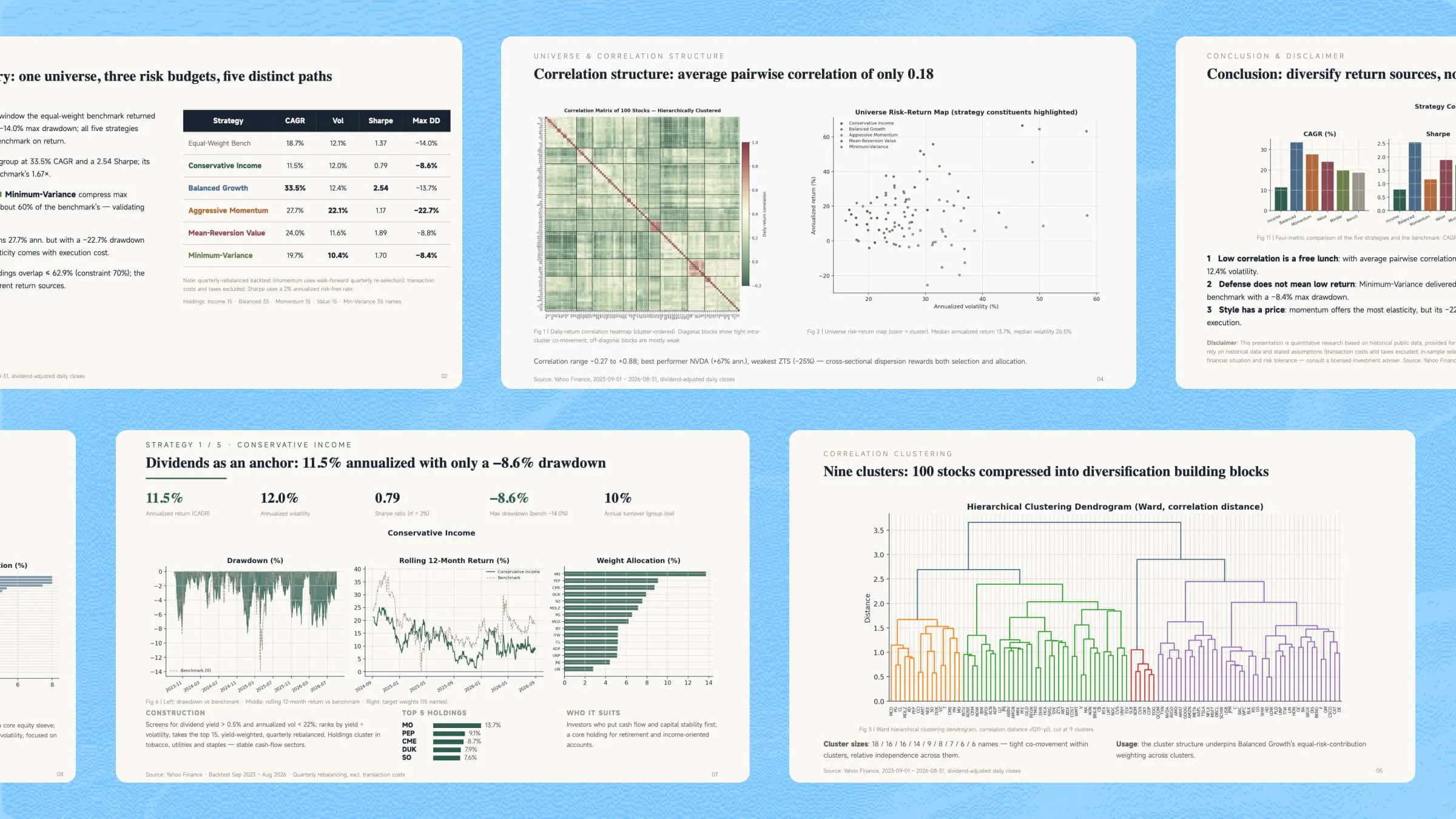
The swarm agents analyze historical data from 100 stocks and produce five portfolio strategies, complete with PDF charts and a polished presentation.

Engineering & Programming

For complex digital product projects, specialized sub-agents can divide the work across requirements, architecture, coding, testing, and iteration, from full-stack applications and mobile apps to games and interactive experiences.
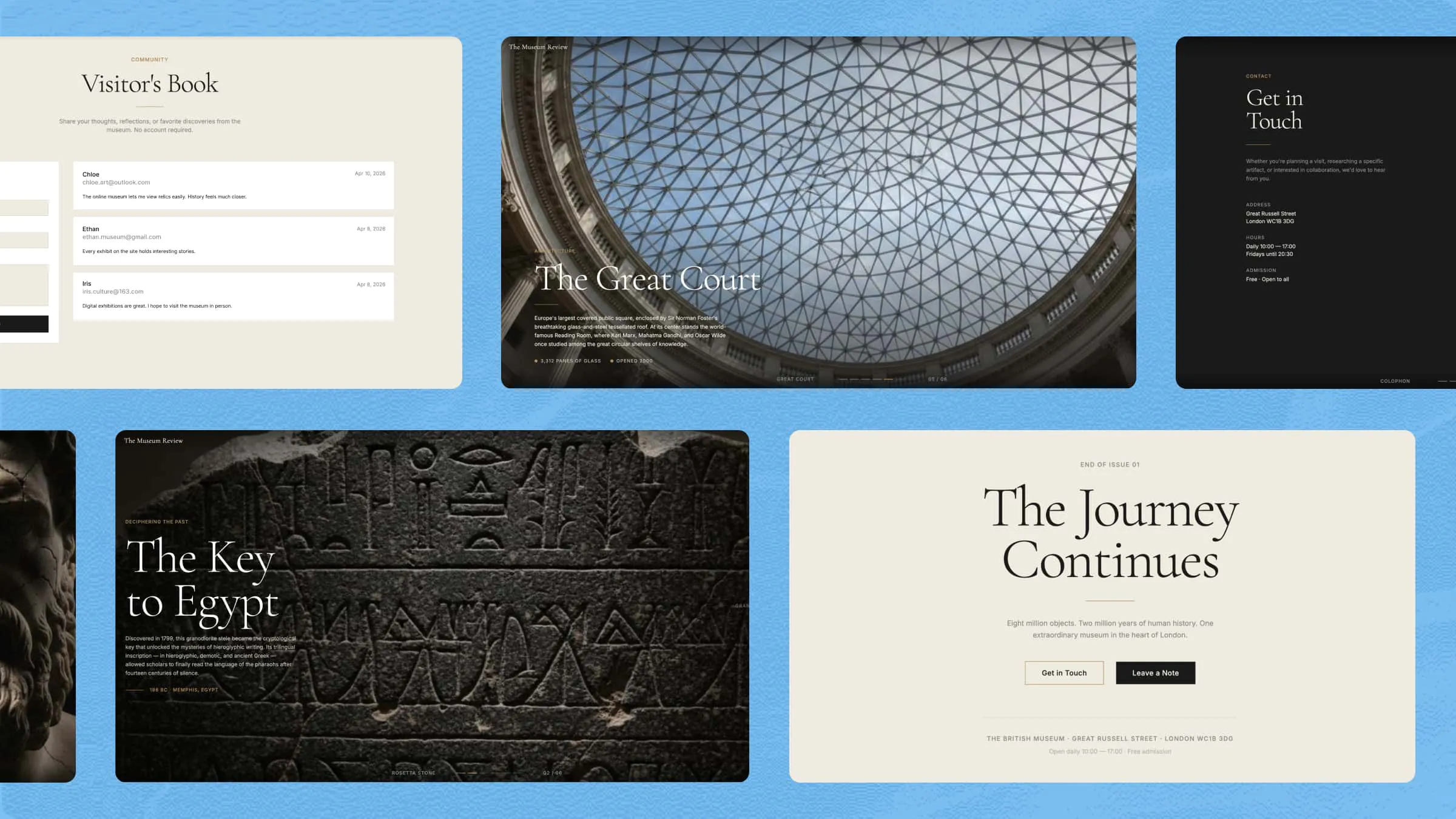
The AI agent swarms build a fully functional full stack website with frontend, backend, and database support.

Data synthesis & Visualization

Turn vast, fragmented information into structured, connected, and visual outputs. Multiple sub-agents can work together to organize files, extract key information, map relationships, and create database dashboards, knowledge bases, relationship maps, and knowledge graphs.
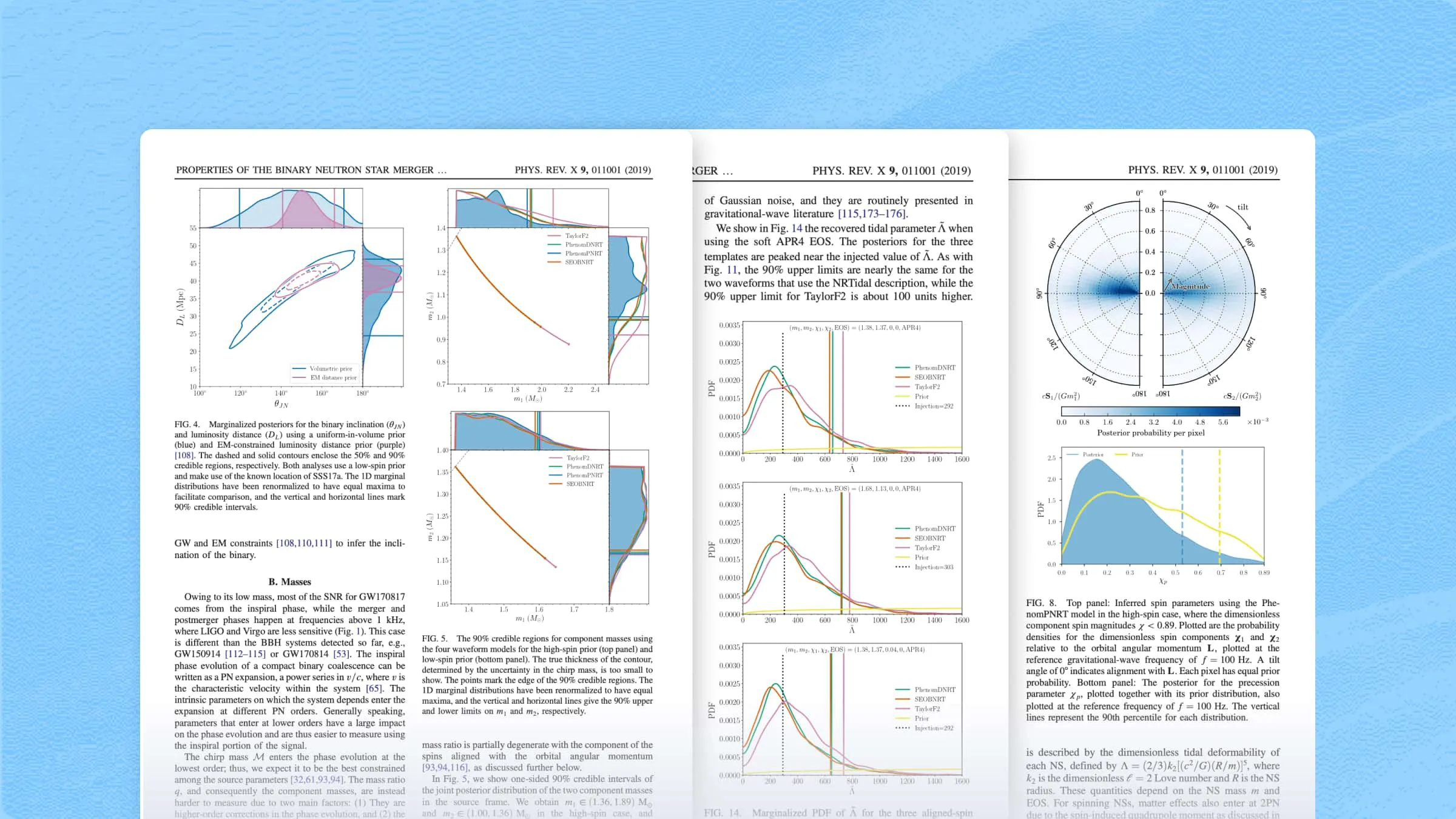
Organize key findings from gravitational-wave observation research and generate accompanying charts.

Business operations

From market research and product planning to content marketing, sales support, and business analysis, Agent Swarm can delegate work across multiple sub-agents and run complex business workflows in parallel, enabling one person to operate with the capabilities of a full team.
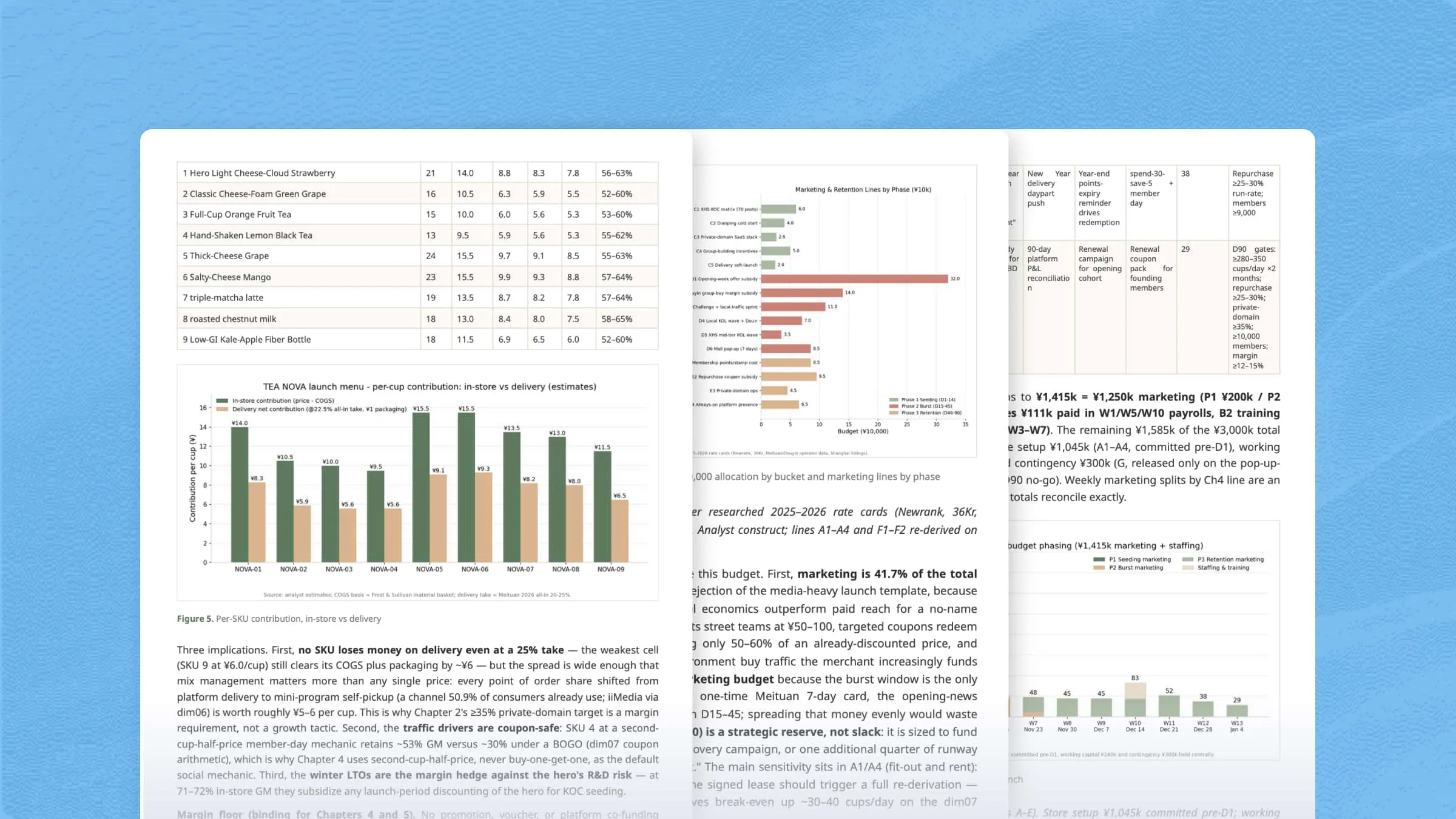
Develop a complete go-to-market plan for a new-style tea beverage brand from the ground up, including market research, organizational planning, brand positioning, and more.

Multi-role simulation

Agent Swarm can assign sub-agents different roles and viewpoints to simulate, debate, and evaluate complex decisions. Use it for expert panels, strategy debates, user simulations, business scenario planning, and multi-role creative collaboration.
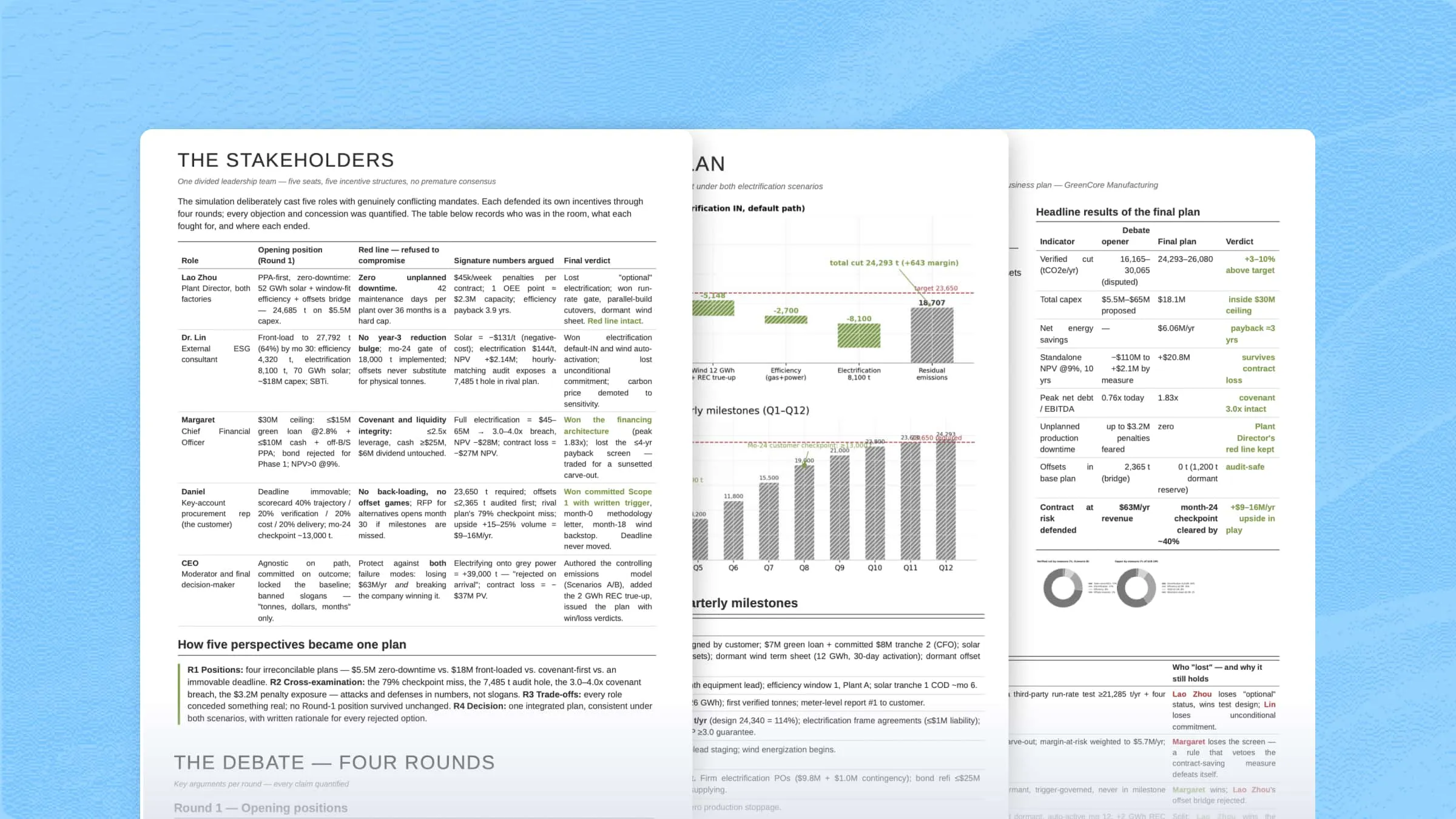
Evaluate a carbon-neutral transformation plan for a manufacturing company through a debate between the plant manager, an ESG advisor, the CFO, and a key customer’s procurement representative.

Multi-agent swarm, built for complex work

Complex tasks, parallel progress

Kimi Agent Swarm breaks down and plans complex goals, then assigns specialized sub-agents to research, analyze, code, verify, and more. Multiple workstreams can move forward at the same time, turning a single execution path into a coordinated network of agents working in parallel.
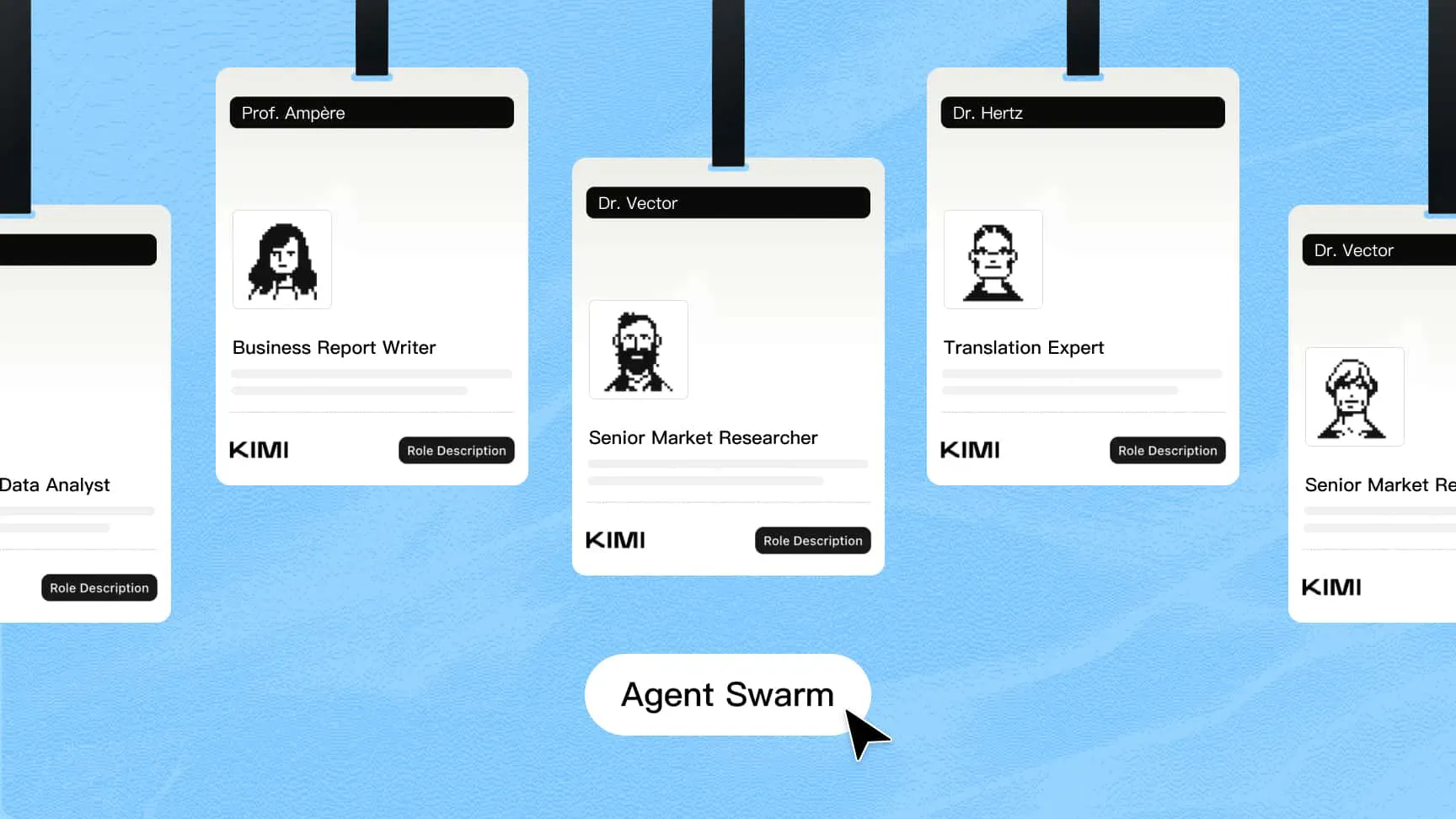
The agentic swarm splitting a complex goal into parallel research, analysis, coding, and verification workstreams across multiple agents

Adjust direction as the work unfolds

After Agent Swarm starts working, you can still add requirements, provide new information, or change direction. When a sub agent uncovers something important, it can report back to the main agent. The main agent can then share relevant updates with other sub-agents and adjust what happens next, so the project can adapt as it progresses.
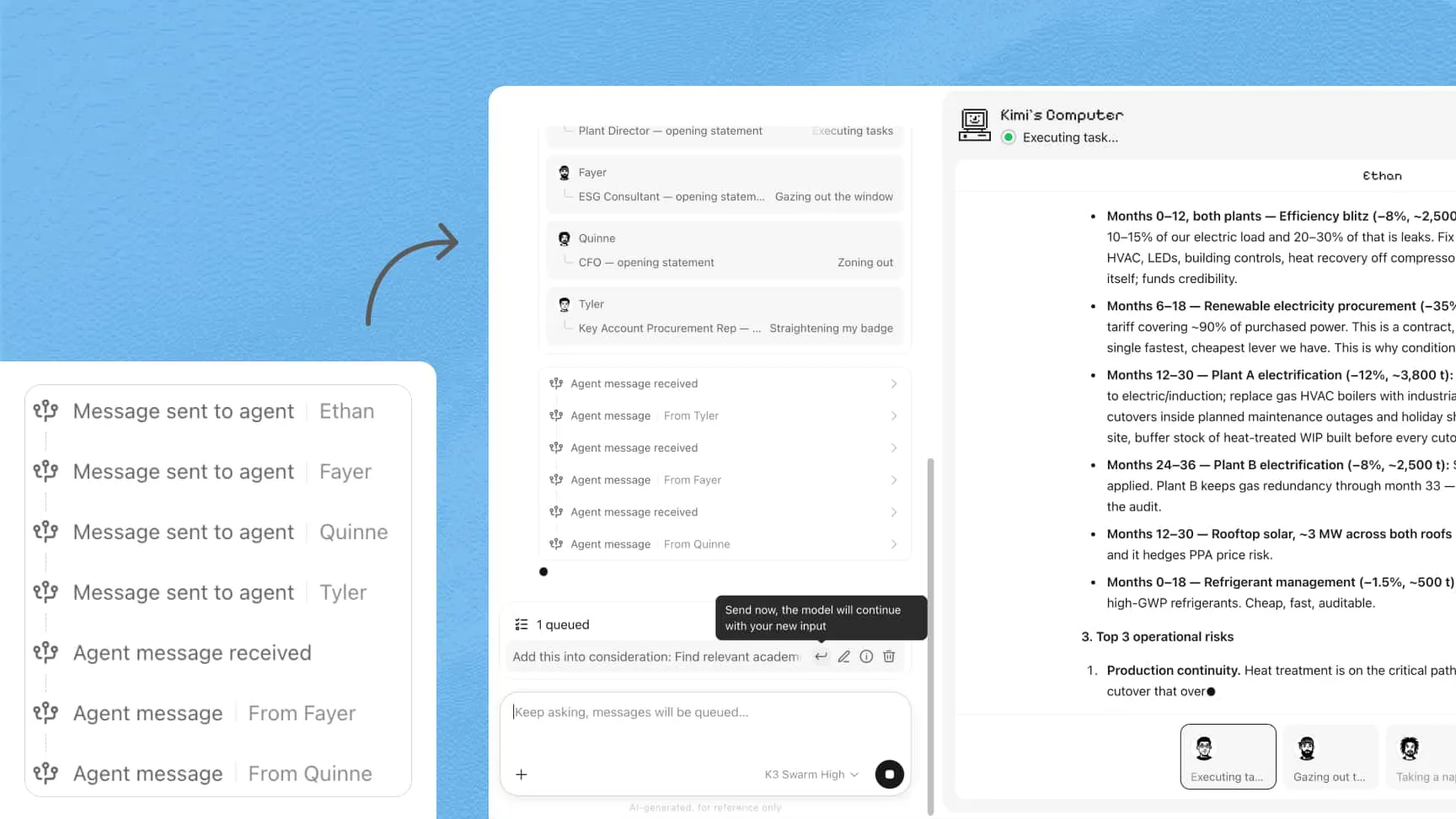
Kimi Agent Swarm adapting active agent workflows as users add new requirements, context, or changes in direction

Go deeper on long horizon tasks

On long-horizon, multi-round tasks, the multi-agent swarm can re-engage existing sub-agents with their prior context intact — no re-reading, no repeated exploration. Agent Swarm keeps exploring, verifying, and refining, so every round delivers a more complete, more in-depth result.
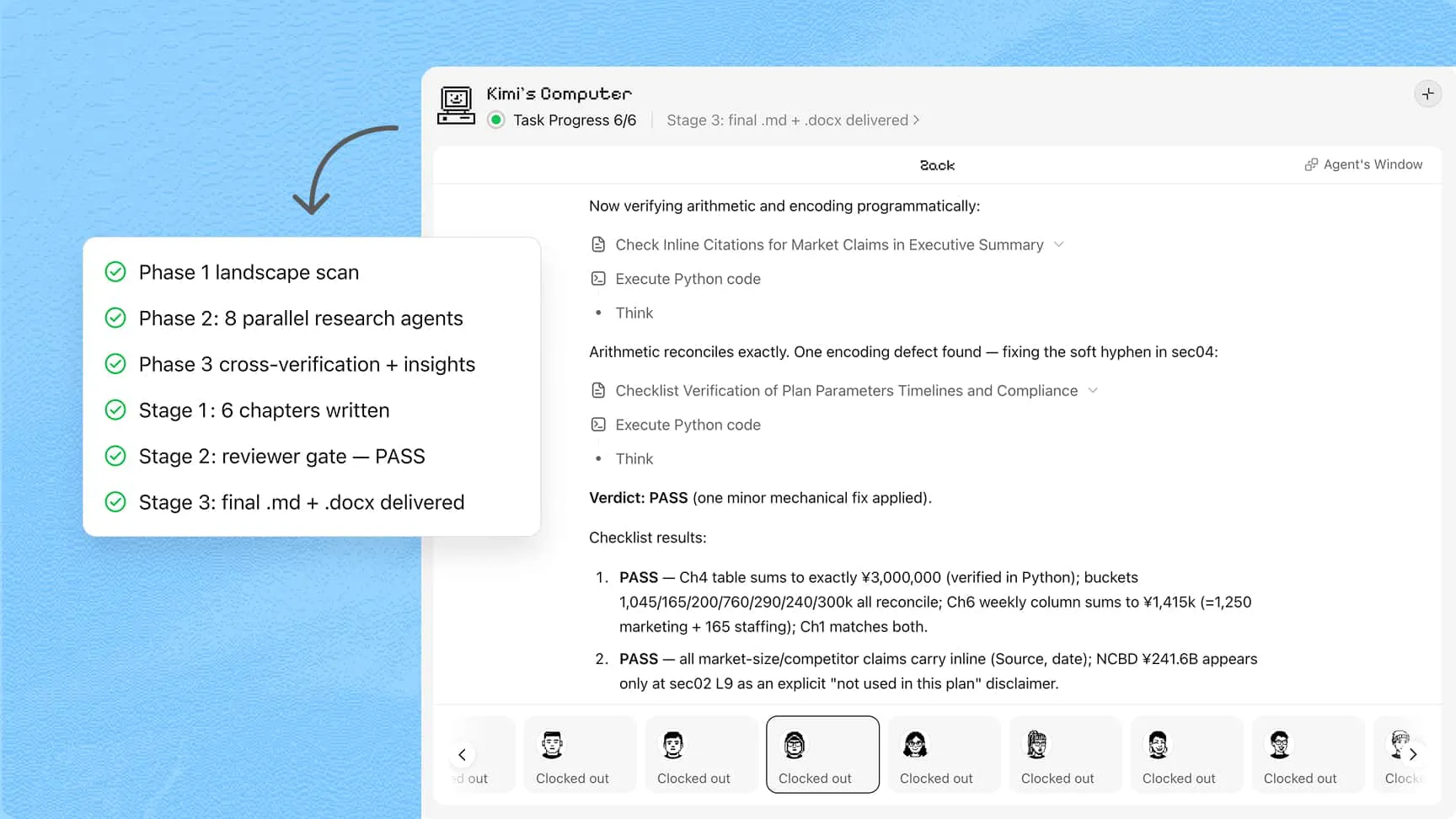
Kimi Agent Swarm reusing sub-agents and prior context to keep exploring, verifying, and refining long horizon tasks

How to use Kimi Agent Swarm

Choose Agent Swarm mode

On Kimi Web or Kimi Work on the desktop, select Swarm mode from the input box or the sidebar. When using Kimi Code, you can also enter /swarm to launch Agent Swarm mode.

Describe your task or upload files

Describe what you want to accomplish directly, upload files, add context, and choose Skills or Plugins as needed.

Review, revise, and export the results

Review the reports, charts, or code, request additions or revisions, and export the outputs you need.

FAQ

Kimi Agent Swarm is a team of AI agents working together on one complex goal. Instead of relying on a single agent to handle everything step by step, Swarm agents can divide the work across multiple agents, let them work on different parts at the same time, and bring their progress together as the task moves forward.
A regular agent works well for focused, clearly defined tasks. Agent Swarm is designed for work that is larger, longer, or has many moving parts. Multiple agents can research, analyze, build, and verify in parallel, so complex projects can keep moving without depending on one agent to do everything in sequence.
Agent Swarm is especially useful for complex projects that involve multiple kinds of work—for example, deep research and analysis, software development, organizing and visualizing large amounts of information, running multi-step business workflows, or simulating different roles and perspectives.
Kimi breaks a complex goal into different streams of work and assigns them to suitable sub-agents. Some can explore, some can build, and others can verify results. The main agent keeps track of progress, receives new findings, and helps keep the different parts of the project aligned as the work continues.
Yes. Depending on the task, Swarm can use agents suited to different kinds of work, such as general execution, coding, exploration, or verification. This allows different parts of a project to be handled by agents with different responsibilities instead of asking one agent to do everything.
Yes. You can add information, clarify requirements, or change direction while the swarm is running. You do not need to wait for the current round of work to finish before giving new instructions, so the project can adapt as your thinking or requirements evolve.
Yes. For longer or multi-round tasks, existing sub-agents can be reused with their previous working context. This reduces the need to reload the same background or explore the same information again, helping preserve continuity and reduce information loss over time.
Yes. Agent Swarm tasks typically use several times more credits than regular Agent tasks, depending on the complexity of the task and the number of sub-agents involved.

Put Agent Swarm to work on your next complex task