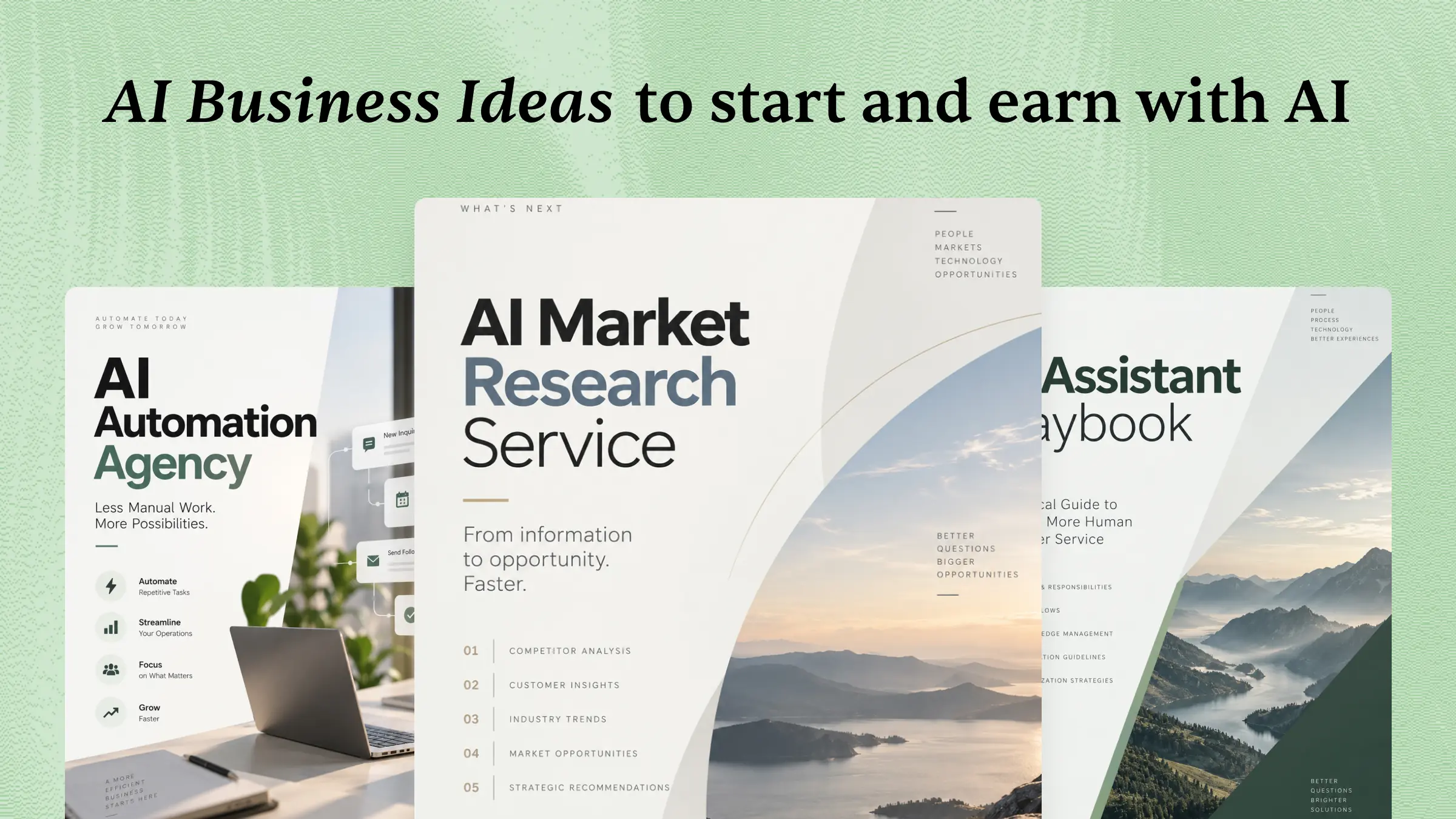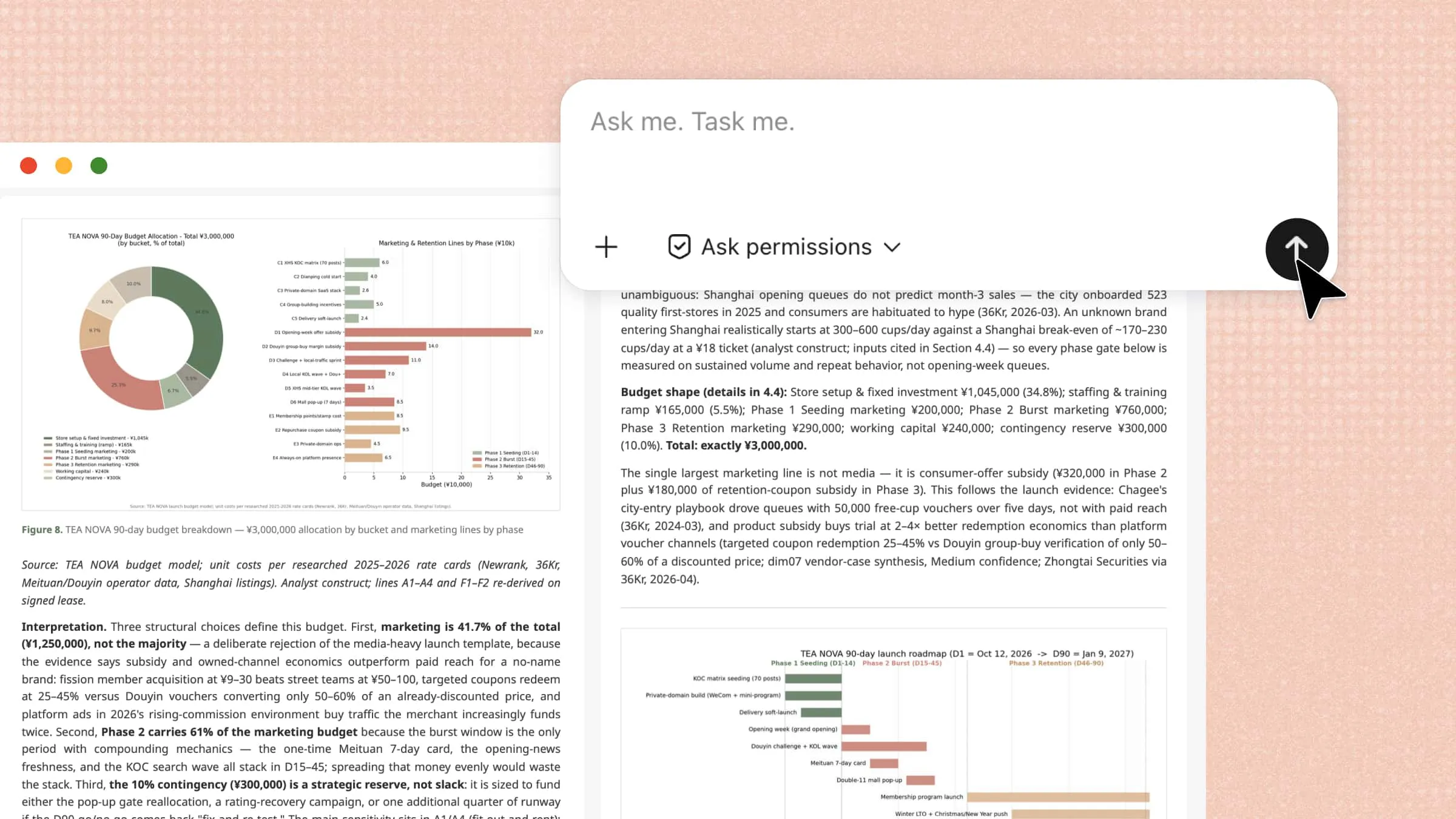
Whether you are running a small team or managing a growing business, keeping work moving while dealing with endless information can be a real challenge. AI offers a practical way to handle repetitive work, process information faster, and give teams more time for tasks that need human input. With AI for business, companies can bring these benefits into research, marketing, operations, and decision-making. Read on to see how AI can support your business and make everyday work more efficient.
What is artificial intelligence (AI) in business?
Artificial intelligence in business means using AI technologies to handle tasks, process information, and support everyday business activities. It can help teams analyze data, automate routine work, understand customers, and make more informed decisions.
Businesses can use AI across areas such as marketing, operations, research, forecasting, and customer service. When supported by good data and clear goals, AI can help companies save time, improve workflows, and turn complex information into useful insights.
How does AI in business work
AI can handle much more than simple automation, with different technologies built for different types of business needs. From finding patterns in data to creating content and understanding images, each approach solves a different kind of problem. Here are the key technologies that make AI in business possible.
Machine learning
Machine learning allows AI systems to learn patterns from existing data and use them to make predictions or classifications. Businesses can use it for tasks such as demand forecasting, fraud detection, customer segmentation, and predicting which customers may leave. As more relevant data becomes available, these models can be updated to improve their results.
Natural language processing (NLP)
Natural language processing helps computers understand and work with human language in text or speech. Businesses can use NLP to power chatbots, summarize documents, analyze customer feedback, and sort incoming requests. It can also help teams find useful information in emails, reviews, support conversations, and other large collections of text.
Generative AI
Generative AI creates new content based on the instructions and information provided to it. In business settings, it can help draft emails, reports, product descriptions, code, summaries, and other work materials. This gives businesses using artificial intelligence a way to speed up content-heavy tasks while keeping people involved in reviewing and refining the results.
Predictive analytics and data analytics
Data analytics helps businesses understand existing information, while predictive analytics uses data to estimate what could happen next. These technologies can support sales forecasting, inventory planning, financial analysis, customer behavior, and resource planning. They can turn large amounts of business data into insights that teams can use when making decisions.
Computer vision
Computer vision enables AI systems to understand information from images and videos. Businesses can use it for quality checks in manufacturing, monitoring shelves in retail, analyzing documents, and supporting workplace safety. By turning visual information into useful data, it can automate tasks that would otherwise require people to inspect images or video manually.
Applications of AI for business
AI can support many parts of a company, from attracting customers to managing internal processes. Its role can range from handling repetitive tasks to helping employees find information, spot patterns, and make better-informed decisions. Here are some common ways AI can be used across different departments.
Marketing and sales
AI can help marketing and sales teams understand customer behavior, find potential leads, and create more relevant campaigns. It can also support content creation, audience segmentation, sales forecasting, and personalized recommendations. This allows teams to spend less time on routine analysis and more time building customer relationships.
Customer service
AI can make customer support faster by answering common questions and helping customers find information at any time. Chatbots and AI assistants can also sort requests, summarize previous conversations, and direct complex issues to the right employee. This can help support teams manage more inquiries while providing more consistent responses.
Operations
Businesses can use AI to improve everyday operations by analyzing data, automating repetitive processes, and identifying areas where time or resources are being wasted. It can support demand forecasting, inventory planning, scheduling, and quality control. These uses can help teams respond to changes more quickly and keep workflows running smoothly.
Human resources
AI can assist HR teams with tasks such as screening applications, organizing employee information, creating job descriptions, and answering common workplace questions. It can also help analyze workforce data and identify patterns related to hiring or employee engagement. Human review remains important when AI is used for decisions that affect employees or job candidates.
Legal departments and cybersecurity
Legal teams can use AI to review documents, find relevant information in contracts, summarize lengthy files, and support legal research. In cybersecurity, AI can monitor activity, detect unusual patterns, prioritize alerts, and help identify potential threats. These applications can reduce manual work while helping specialists focus on more complex risks and cases.
Accounting and finance
AI can help finance teams process transactions, detect unusual activity, organize financial data, and support forecasting. It can also assist with tasks such as invoice processing, expense management, budgeting, and reporting. By handling repetitive financial work, AI can give employees more time to focus on analysis and planning.
Software engineering
AI can support software teams by generating code, explaining existing code, creating tests, finding errors, and producing technical documentation. It can also help developers understand older applications and speed up parts of the development process. With appropriate review and security checks, these tools can reduce routine work and allow developers to focus more on architecture and complex technical problems.
Improve business productivity with AI workflows: Kimi Work
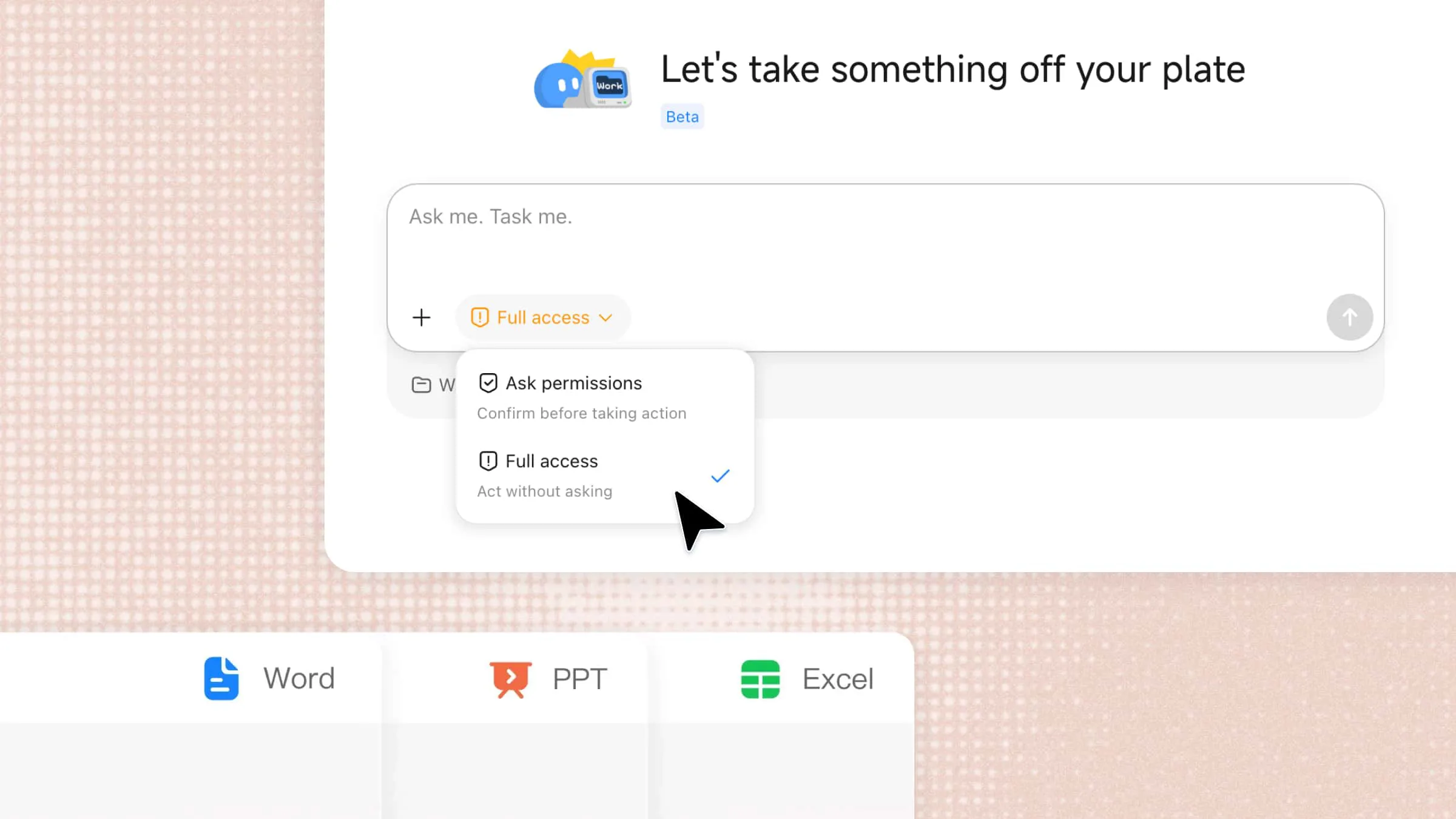
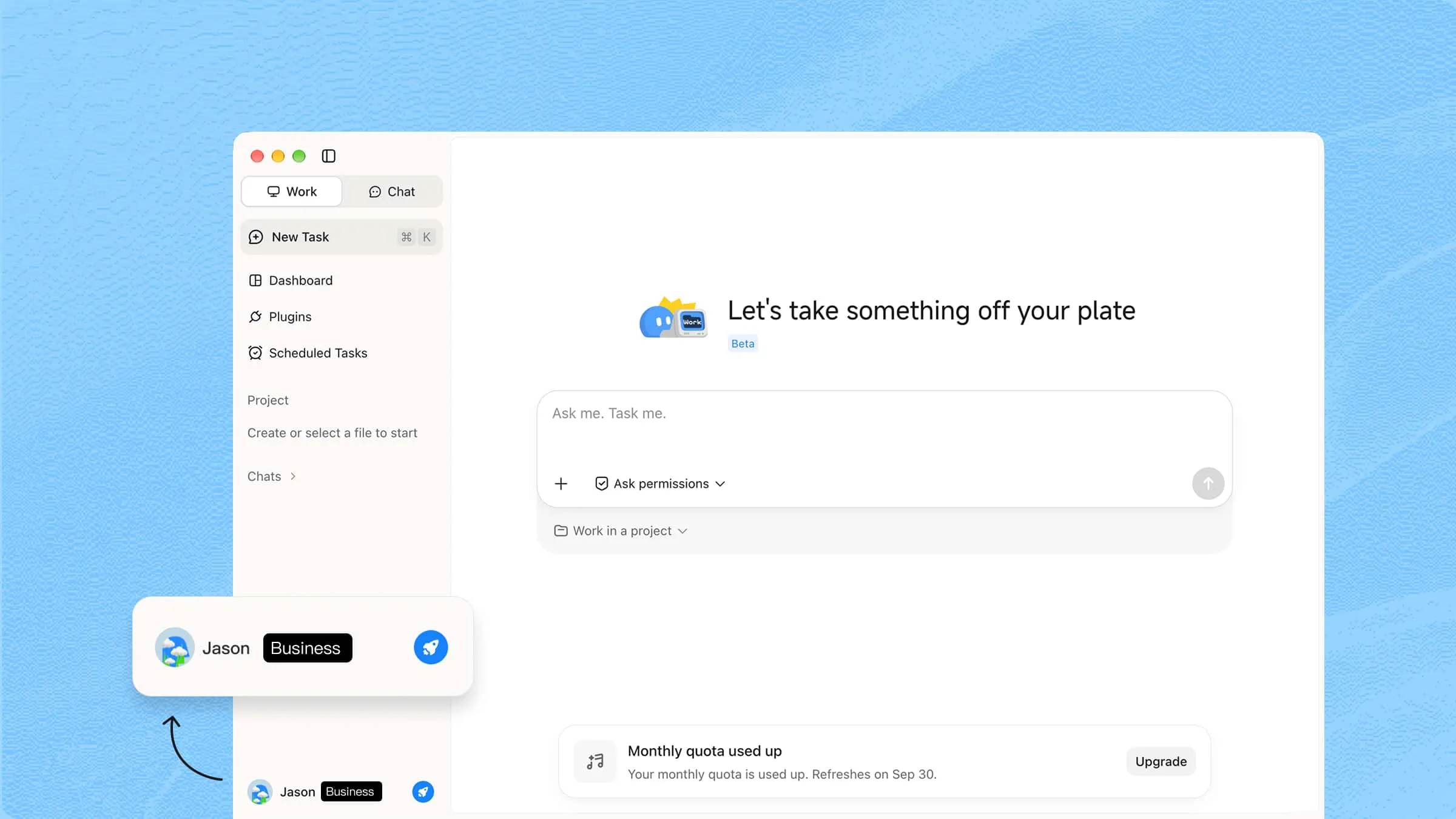
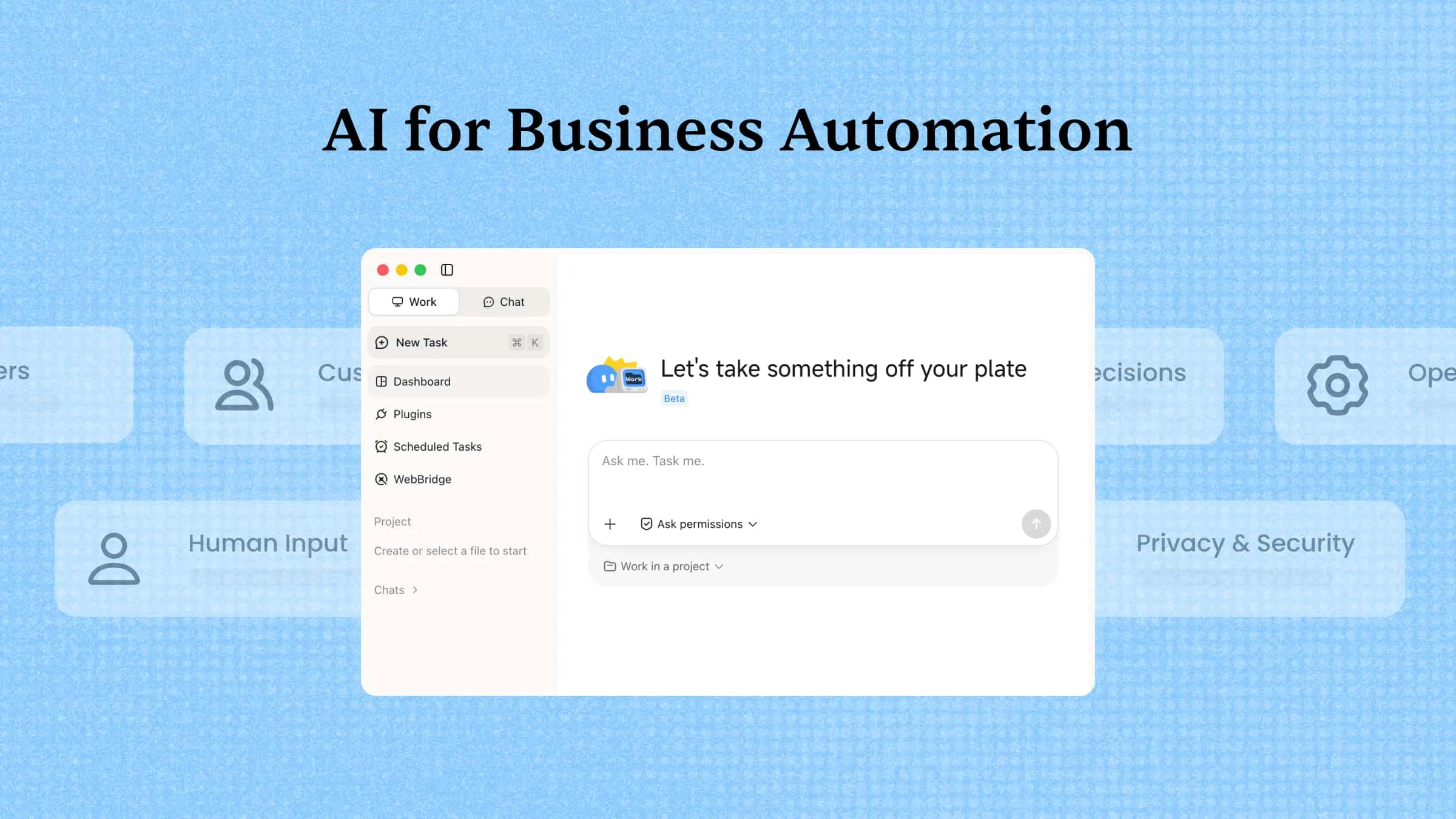
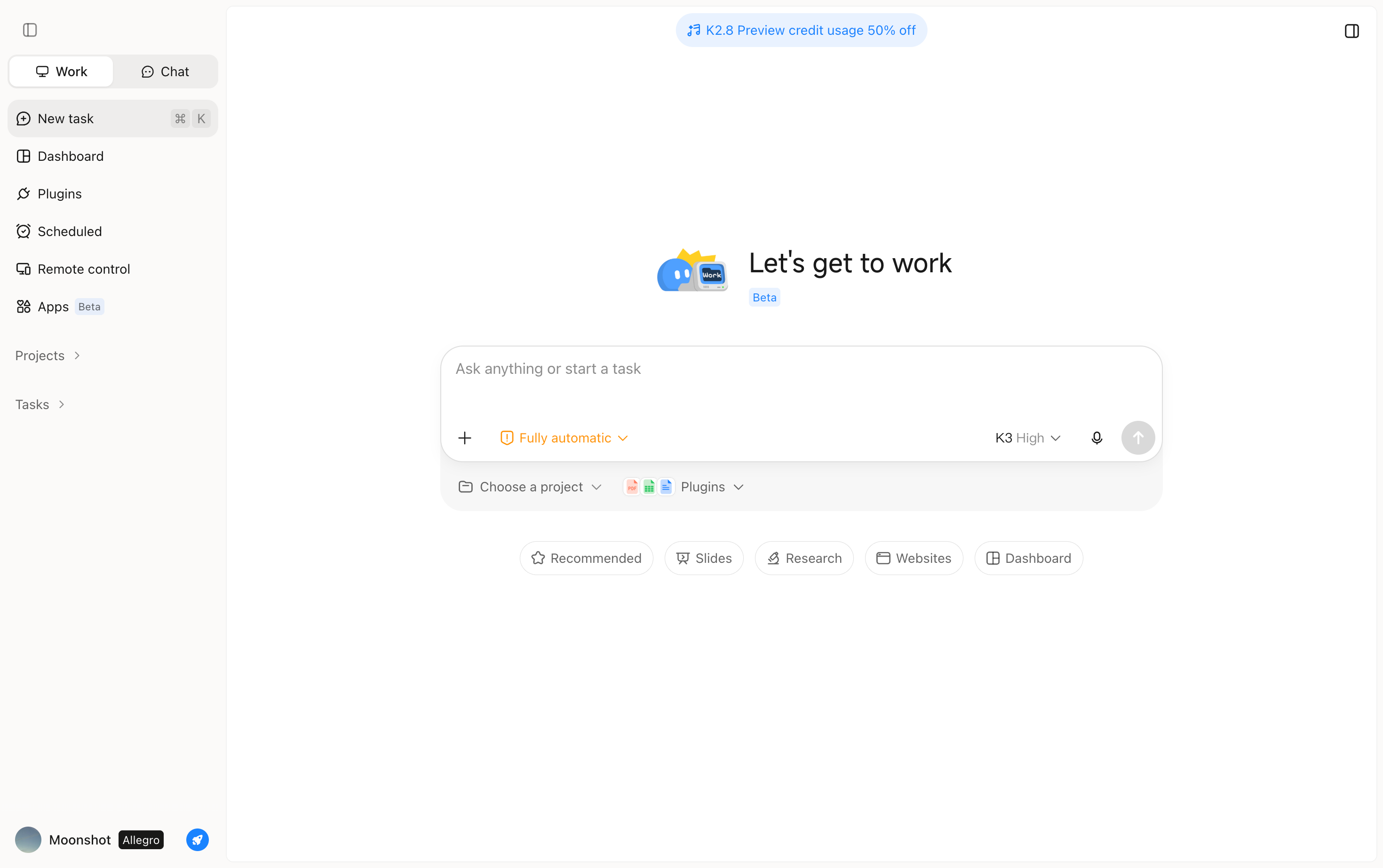
Kimi Work brings AI-powered workflows directly to your desktop, helping businesses handle everyday tasks with less manual effort. It can work with approved local files, perform browser-based tasks, process information, and run scheduled jobs in the background. For teams looking to use AI for business, it provides a practical way to manage complex workflows and turn results into useful documents and other deliverables.
Key features
Turn business goals into actionable results: Kimi Work helps teams move from defining business objectives to completing the work required to achieve them. Users can provide a goal and expected outcome, and Kimi Work can break down complex tasks, plan execution steps, complete the work, and review progress along the way without requiring detailed instructions for every step.
Handle complex research with multiple AI agents: Kimi Work uses Agent Swarm to support complex business research by coordinating multiple AI agents working in parallel. Different agents can focus on areas such as competitor analysis, customer insights, market trends, and pricing information, then combine their findings into a comprehensive report to support business decisions.
Understand your business context with relevant data: Kimi Work can work with business-related information from local files, folders, web resources, and professional databases. By accessing relevant context, it can generate outputs based on your actual documents and data, helping teams get more useful insights for their specific business needs.
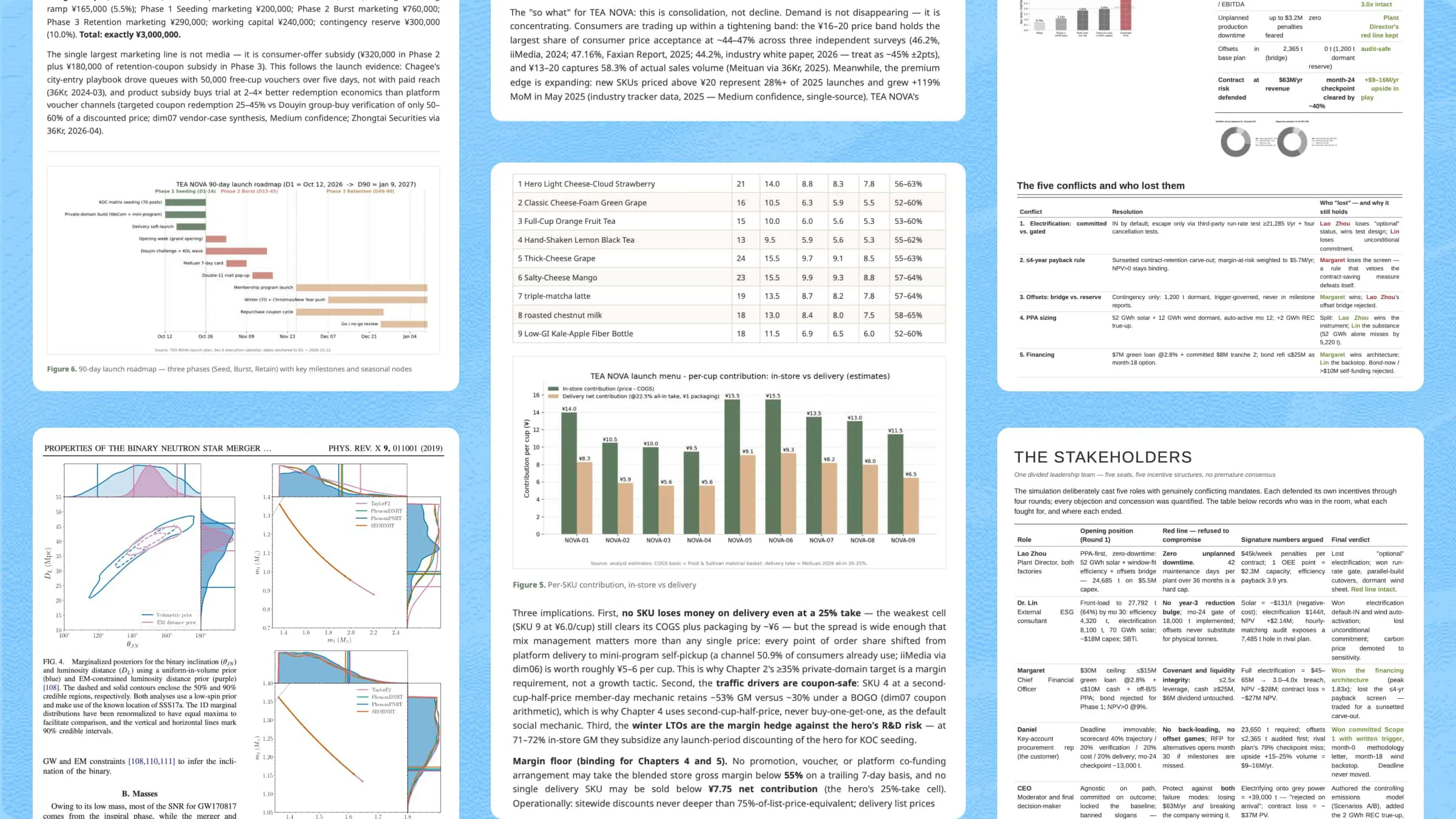
Create business-ready outputs from ideas and insights: Kimi Work helps transform research, analysis, and instructions into practical business assets. It can generate reports, presentations, spreadsheets, websites, and code, allowing teams to move faster from information gathering to creating materials that can be reviewed, edited, and used.
Automate ongoing business monitoring: Kimi Work helps teams automate recurring tasks and stay updated on key business changes. It can monitor competitor activity, market trends, customer feedback, and business metrics, then organize the information into structured updates for continuous decision-making.
Benefits and challenges of using AI in business
AI can bring practical improvements to different parts of a business, from reducing routine work to helping teams make better use of their data. At the same time, getting real value from AI requires businesses to consider how the technology fits into existing processes, systems, and responsibilities.
Benefits
From reducing repetitive work to supporting faster decisions, AI can help businesses improve how their teams handle everyday responsibilities. The following benefits show some of the practical ways AI can contribute to productivity, customer service, and business growth:
Improve operational efficiency
AI can take care of repetitive tasks such as data processing, document handling, scheduling, and routine reporting. This reduces manual work and gives employees more time to focus on tasks that require creativity, judgment, or collaboration.
Make faster, data-driven decisions
AI can process large amounts of information and identify patterns that may be difficult to spot manually. Businesses can use these insights to support forecasting, planning, risk assessment, and other decisions with greater speed.
Enhance customer experiences
AI can help businesses respond to customers faster and provide more personalized support. Chatbots, recommendations, and AI-assisted service tools can make it easier to understand customer needs and deliver relevant help.
Accelerate content and idea generation
Generative AI can help teams create drafts, summaries, product descriptions, campaign ideas, reports, and other materials. This can shorten the time needed to move from an initial idea to a usable piece of work while keeping creative teams focused on important tasks.
Scale business capabilities
AI can help businesses handle more tasks and information without increasing manual effort at the same rate. This can support growing teams by extending their capacity across areas such as research, customer service, analysis, and operations.
Challenges
While AI can offer clear advantages, businesses also need to consider the practical issues that come with using it. The following disadvantages of AI in business highlight areas that require careful planning, human oversight, and ongoing attention during implementation:
Data quality
AI relies on the information available to it, so incomplete, outdated, or inconsistent data can affect its results. Businesses need reliable and well-organized data to produce useful insights and avoid decisions based on poor information that could lead to costly business mistakes.
Workflow integration
Introducing AI into an existing workflow can be difficult when tools do not connect smoothly with current systems. Businesses may need to adjust processes, connect different applications, and determine where AI can provide value without creating extra steps.
Accuracy & human oversight
AI can produce incorrect or incomplete results, even when the output appears convincing. Human review is important for checking important information, correcting mistakes, and making sure AI-generated work meets the required standards.
Security & privacy
AI systems may handle sensitive business, customer, or employee information, creating potential security and privacy concerns. Businesses need clear access controls, data policies, and safeguards to ensure information is handled appropriately. Kimi Business offers stronger privacy and security safeguards, with AI capabilities designed to support business needs and organizational requirements.
Adoption & implementation costs
Implementing AI can require spending on software, infrastructure, training, integration, and ongoing management. Employees may also need time to learn new tools and workflows, so businesses should introduce AI with clear goals and a practical implementation plan.
Conclusion
value. With clear goals, reliable information, and human oversight, AI can become a useful part of modern work. AI for business works best when it helps teams solve real problems without unnecessary complexity. Kimi Work brings this approach into a desktop environment built for practical work. For stronger privacy and security safeguards, subscribe to Kimi Business for AI capabilities tailored to business needs.