A strong presentation can lose its impact if the opening fails to capture attention. Simply starting with "Good morning, everyone" may feel natural, but it rarely gives your audience a reason to listen closely. The first few seconds set the tone for your entire presentation, so knowing how to begin a presentation speech can help you sound confident and engage your listeners. In this guide, you'll learn simple techniques to create a strong opening and capture your audience's attention from the start.
Why does starting a presentation really matter
The way you open a presentation can shape how your audience responds to everything that follows. A strong beginning captures attention, creates curiosity, and gives listeners a clear reason to stay engaged. It also helps you appear more confident and establish a positive connection with your audience. In contrast, a weak or unclear opening can cause listeners to lose interest before you reach your main points.
How to start a presentation speech: 10 attention-grabbing ideas
There's no single formula for opening a presentation, but some approaches are more effective at capturing attention than others. The best opening depends on your topic, audience, and the message you want to deliver. Below are 10 practical ideas to help you learn how to open a presentation speech with confidence.
Start with a surprising statistic
A surprising statistic can immediately make your audience curious about your topic. Choose a relevant number or fact that highlights the importance of your subject or challenges a common assumption.
Example: "More than 70% of customers abandon a purchase before checkout. Today, we'll explore how to reduce that number."
Ask a thought-provoking question
A well-chosen question can involve your audience from the very beginning. Ask something that connects with their experiences, challenges, or expectations and encourages them to think about your topic.
Example: "What would you do if your biggest customer left tomorrow?"
Tell a relevant story
A short, relevant story can make your presentation more personal and relatable. Share a brief experience, customer situation, or real-life event that naturally leads into your main topic.
Example: "Three years ago, our team faced a problem that nearly brought the entire project to a halt."
Make a bold statement
A bold statement can challenge your audience's expectations and create immediate curiosity. Start with a strong viewpoint, prediction, or claim that directly connects to your presentation and can be supported by your main points.
Example: "Our work environment will look completely different five years from now."
Share a unique insight or discovery
Introduce a lesser-known finding, emerging trend, or fresh perspective related to your topic. Giving your audience something unexpected to consider can encourage them to stay engaged and discover what else you have to share.
Example: "Many people believe creativity depends on inspiration, but creative ideas often come from structured processes."
Describe a problem your audience cares about
Start with a challenge your audience recognizes or regularly experiences. Connecting the topic to a real problem makes your presentation immediately relevant and gives you a natural way to introduce your solution or key message.
Example: "Every business collects data, but few know how to turn it into better decisions."
Use a quote that supports your message
A relevant quote can introduce your central idea and add meaning to your opening. Choose a quote that genuinely connects with your topic, then briefly explain why it matters to your presentation.
Example: You could open with Maya Angelou's well-known words about how people remember how you made them feel.
Create an "imagine" scenario
Invite your audience to picture a realistic situation connected to your topic. This approach helps them visualize a challenge, outcome, or possibility and can make an abstract idea easier to understand.
Example: "Imagine reducing your team's reporting time from several hours to just a few minutes."
Use a demonstration or visual hook
A relevant image, object, short video, or live demonstration can capture attention faster than words alone. Choose a simple visual that directly supports your message and gives the audience something meaningful to focus on.
Share a promise or key takeaway
Tell your audience what they can expect to learn or achieve by the end of your presentation. A clear and realistic takeaway gives listeners a reason to stay engaged and shows them the value of your message.
Example: "By the end of this presentation, you'll learn three practical techniques to improve your marketing results."
Choosing the appropriate beginning is just the initial part of making a powerful presentation speech. The start of your speech should also guide the focus of your discussion and provide the listeners with a solid reason to stay engaged. AI writing tools like Kimi Docs can assist by helping you come up with introductory ideas, organize your main topics, and polish your wording for a more captivating speech.
Write an engaging presentation opening speech with Kimi Docs
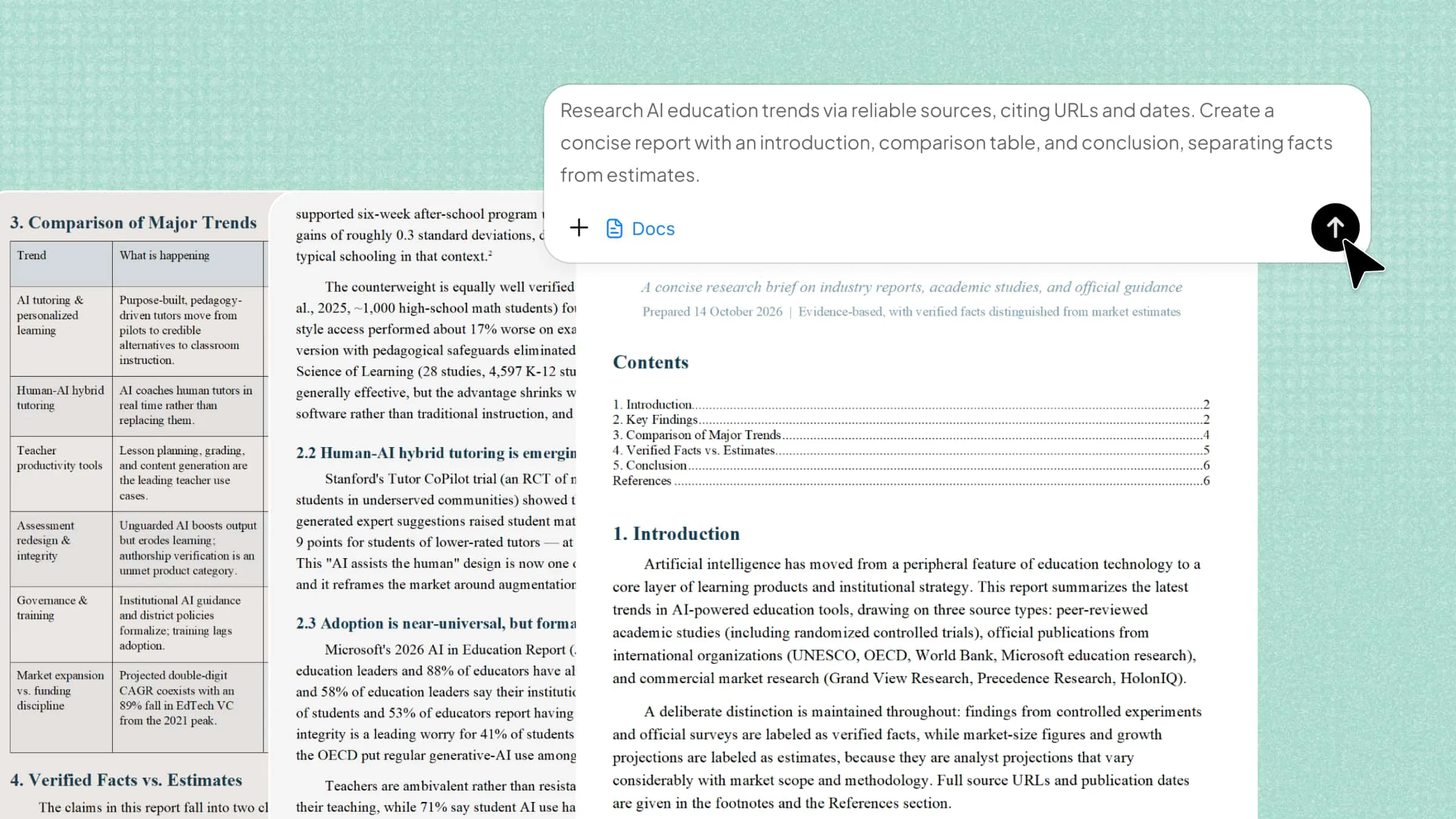
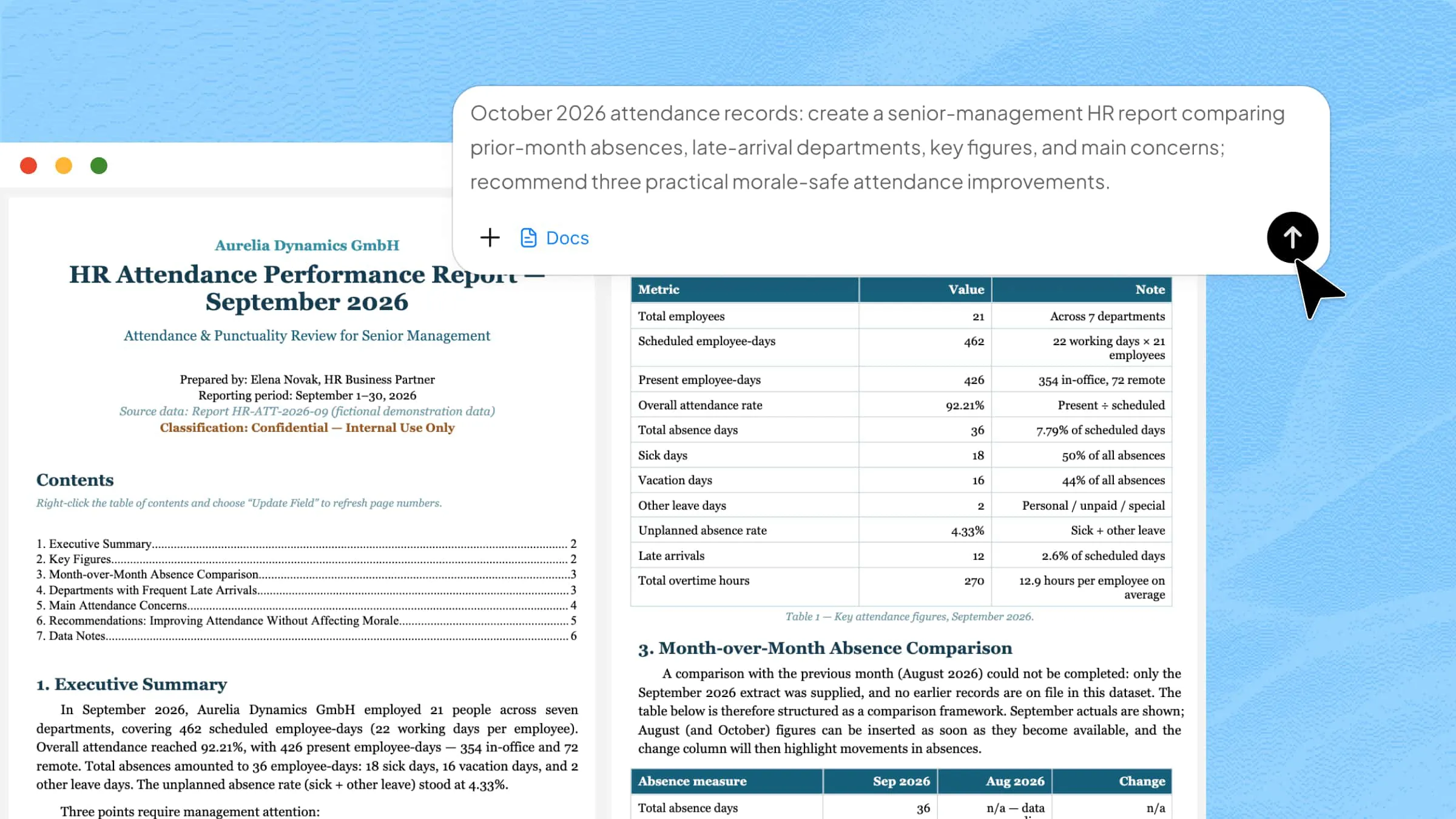
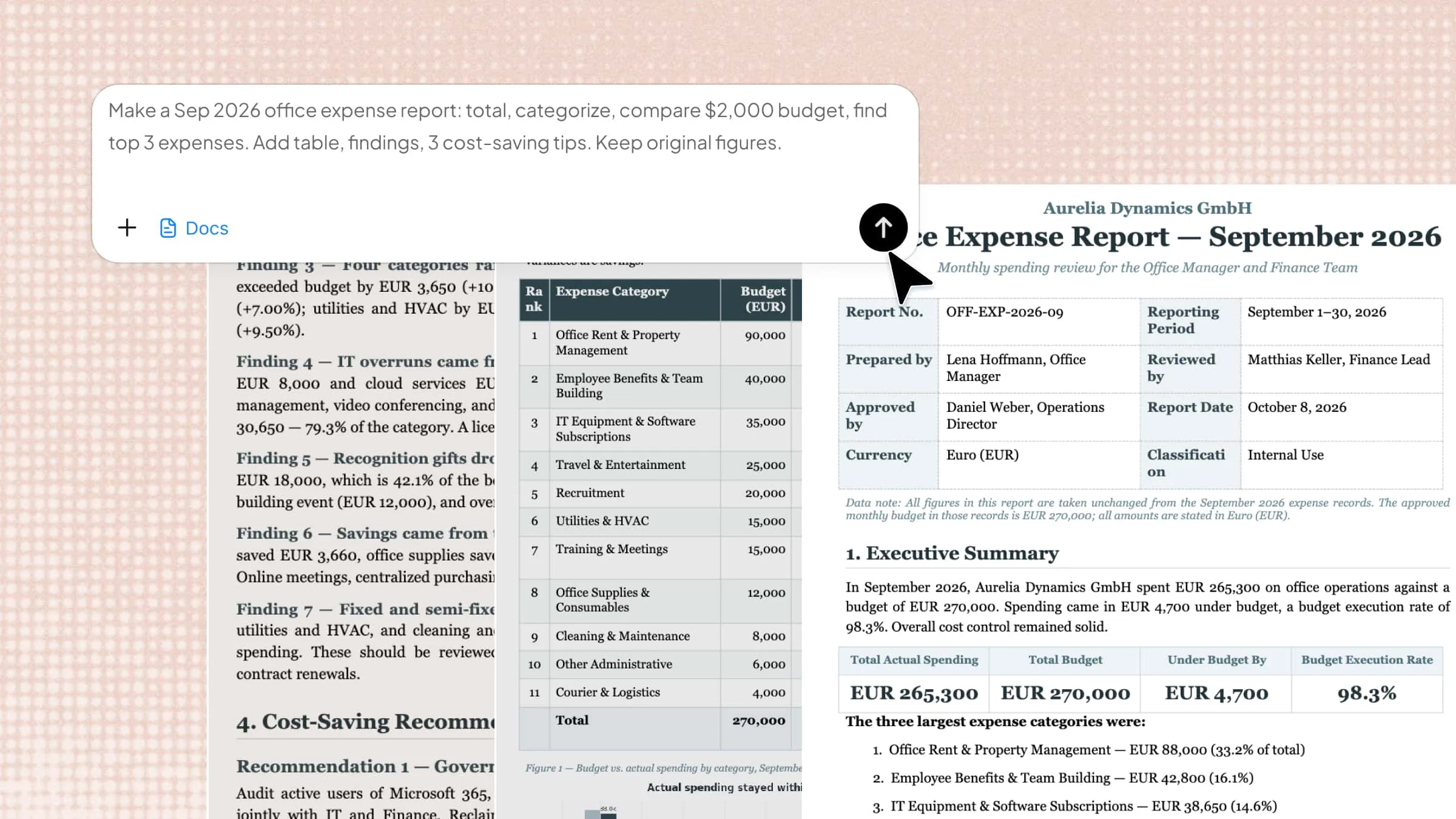
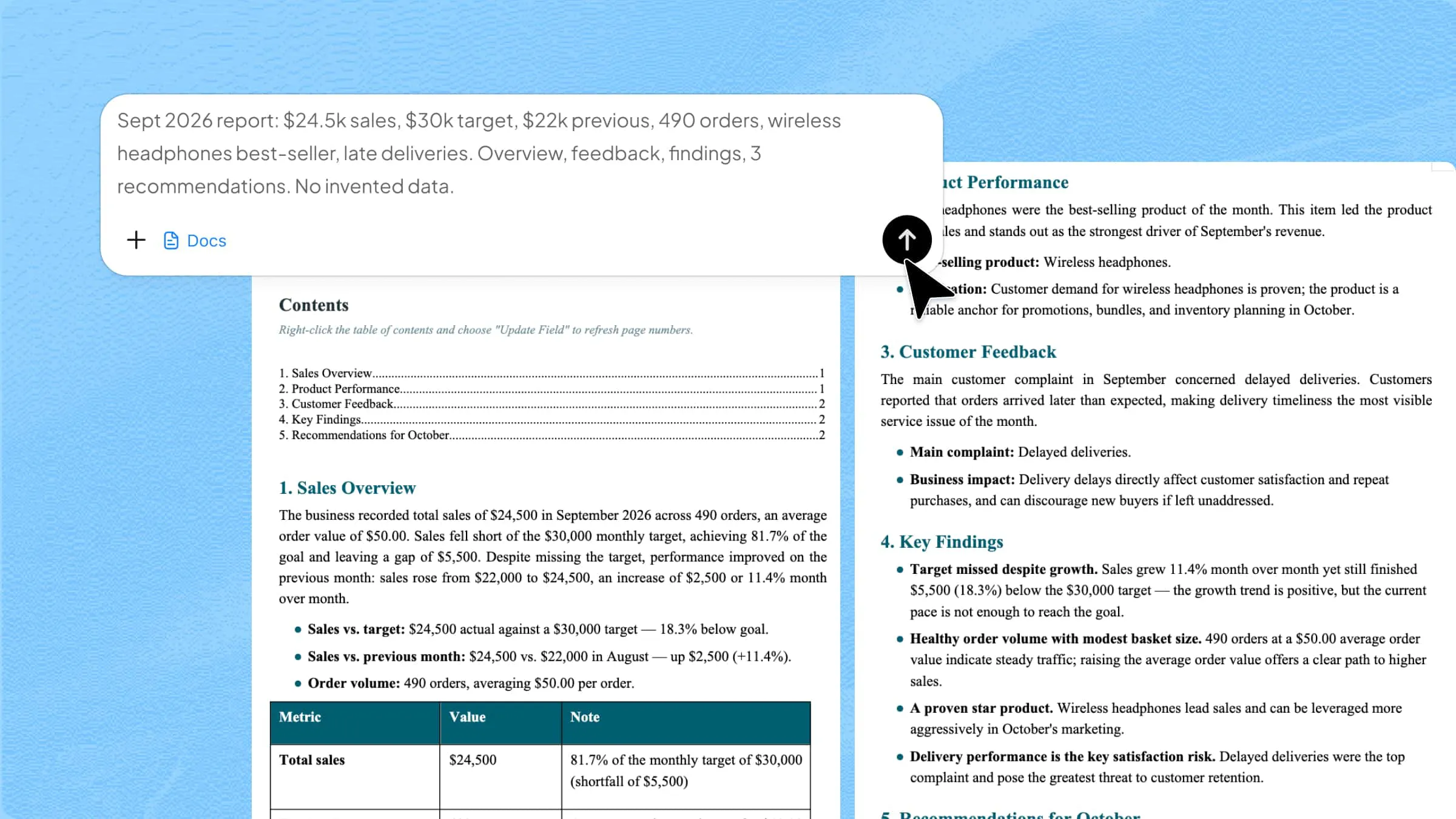
Kimi Docs is an AI document agent that can help you create presentation speeches without starting from a blank page. By providing your topic, target audience, presentation goal, and preferred tone, you can generate an opening that fits your speech and feels relevant to your listeners. It can also help you shape your ideas into a clear, engaging introduction that sets the right tone for the rest of your presentation.
Step 1: Provide your presentation details and speech requirements
Start by adding any important context about your presentation, such as your role, team background, organization, or the key messages you want to introduce. The more relevant context you provide, the more effectively Kimi Docs can create an opening speech that fits your presentation.
Example prompt:
Step 2: Let Kimi Docs generate your presentation opening script
Kimi turns your requirements into a structured presentation opening with an engaging hook, topic introduction, key messages, and speaker details. It helps transform your ideas into a polished script suited to your presentation.
Step 3: Review and prepare your final presentation speech
Review the generated script and adjust the wording, tone, or details to match your speaking style. Make sure the opening feels natural, clear, and confident before using it in your presentation.
Main functions of Kimi Docs
Generate presentation speeches from simple prompts: Kimi Docs can turn basic instructions into a complete presentation speech. You can provide details such as your topic, audience, presentation length, goal, and preferred style, and it can build an opening, body, and conclusion around them.
Organize ideas into a clear speech structure: If your ideas are spread across notes, files, or research, Kimi Docs can help bring them together. It can arrange the information in a logical order and connect different sections, so the speech feels natural when delivered.
Customize speeches for different audiences and occasions: A speech for a classroom will not sound the same as one for a business meeting or sales presentation. Kimi Docs can adjust the tone, language, and level of detail to match the audience and setting you are speaking in.
Improve speech wording with AI editing: You can give instructions to change how your speech sounds without rewriting everything yourself. For example, you can ask Kimi Docs to make the script more natural, add stronger storytelling, simplify complex wording, or cut unnecessary sections.
Export and reuse speech documents easily: Once your script is ready, you can keep it organized for future use and export the document for further editing or sharing. Having the speech in a reusable format also makes it easier to practice and make final changes before presenting.
Common mistakes to avoid when starting a presentation
A strong opening can set your presentation up for success, but a few common mistakes can weaken it before you get to your main point. Avoid these habits to make your introduction feel more confident, natural, and engaging.
Starting with apologies or unnecessary explanations
Do not start with phrases like "I'm sorry, I feel anxious" or discussing reasons why you may not be completely ready. Such statements can lower your confidence and divert attention away from what you want to say.
Using weak or predictable openers
Starting with a generic hello or a frequently used phrase might not capture your audience's attention. Consider beginning with a point that relates to your subject and is meaningful to your audience.
Overloading the opening with too much information
Your opening should grab attention instead of revealing everything immediately. In the beginning, concentrate on your key point and set aside the extra information for afterward.
Reading slides instead of engaging the audience
Slides are meant to back up your speech, not to be read as a script. Make sure to maintain eye contact with your audience, talk in a relaxed manner, and use images to strengthen what you want to convey.
Rushing through your introduction without building a connection
Talking too fast can make your introduction seem stressful and hard to understand. Take your time, allow key ideas to settle, and build a feeling of connection before diving into the core of your talk.
Conclusion
Understanding how to start a presentation speech can shape how your audience engages with your ideas from the beginning. You can open with a question, a story, a surprising fact, or a strong statement. Choose an approach that fits your topic and audience. Keep your introduction clear, natural, and easy to follow. With thoughtful preparation and tools like Kimi Docs, you can deliver a confident opening and make your presentation more memorable.