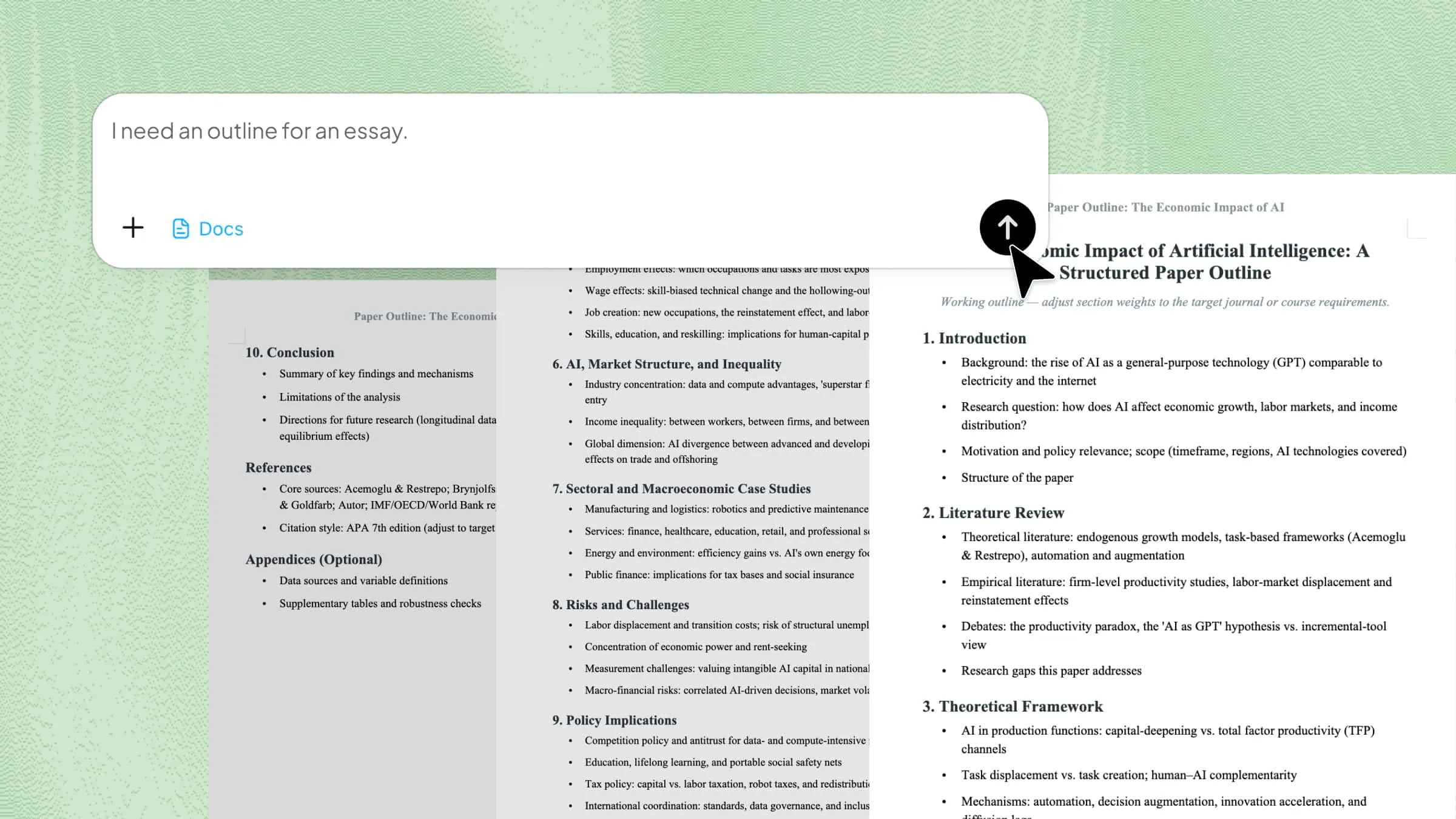
A literature review can quickly become overwhelming when you have dozens of research papers to read, findings to compare, and sources to organize. The right literature review templates can help you structure your research, connect key ideas, and keep your sources organized throughout the writing process. Explore these 10 templates to find one that fits your research needs and makes writing your literature review easier.
A quick glance at 10 literature review template examples
Not sure which literature review format suits your project? If you want to compare research methods, explore how a field has evolved, or build a strong theoretical argument, some templates will fit your needs better than others. Use the overview below to find a suitable starting point.
| Literature review template | Primary purpose | Key sections | Suitable for |
|---|---|---|---|
| Narrative Literature Review | Summarize and interpret existing research | Introduction, key themes, important studies, findings, contrasting viewpoints, conclusion | Exploring a topic and synthesizing different perspectives |
| Systematic Literature Review | Review studies through a transparent, reproducible process | Research questions, databases, search terms, eligibility criteria, screening process, evidence extraction | Conducting systematic reviews with documented search methods |
| Scoping Review | Map the breadth and scope of existing research | Review objectives, research questions, evidence sources, study characteristics, major themes, research gaps | Exploring broad or emerging research areas |
| Thematic Literature Review | Organize research around recurring themes | Theme sections, supporting studies, common findings, conflicting results, thematic synthesis | Identifying patterns and connections across studies |
| Critical Literature Review | Evaluate research quality and limitations | Study purpose, methodology, strengths, limitations, potential bias, evidence quality, critical conclusions | Assessing the reliability of existing research and developing arguments |
| Historical Literature Review | Trace how research has evolved over time | Chronology, major publications, influential researchers, key discoveries, changing theories, current developments | Understanding the historical development of a field |
| Methodological Literature Review | Compare research designs and methods | Research design, sampling, data collection, analysis techniques, strengths, limitations, methodological gaps | Evaluating research methods or selecting an approach for a new study |
| Theoretical Literature Review | Examine and compare theories and conceptual models | Theory origins, core assumptions, key concepts, applications, supporting evidence, criticisms | Developing or evaluating a theoretical framework |
| Meta-analysis Template | Synthesize quantitative findings statistically | Sample size, outcome measures, effect sizes, confidence intervals, risk of bias, pooled estimates, heterogeneity | Combining comparable quantitative study results |
| Integrative Literature Review | Synthesize diverse forms of evidence | Research purpose, methodologies, key findings, limitations, common patterns, conflicting evidence, overall synthesis | Combining qualitative, quantitative, theoretical, and mixed-methods research |
10 literature review templates to make writing easier
Choosing the right literature review template helps you organize your research and present findings clearly. With Kimi Docs, an AI document agent, you can create customized templates tailored to different review methods, from narrative and systematic reviews to thematic analysis and meta-analysis. It can also help you find relevant academic papers, summarize key findings, compare viewpoints, and identify potential research gaps. Use the following 10 Kimi-generated template ideas to structure your literature review and organize evidence around your research question.
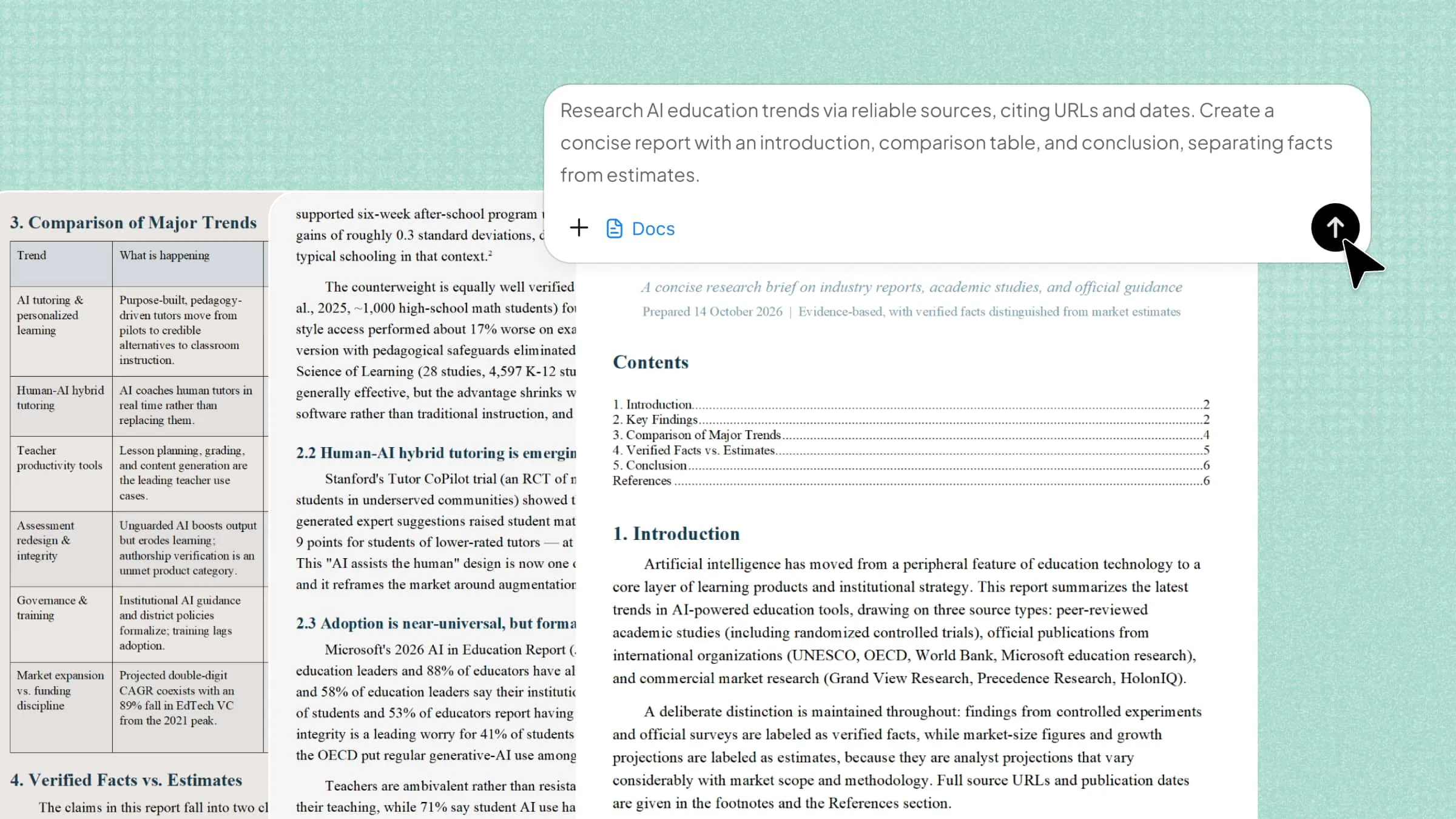
Narrative literature review template
A narrative literature review connects existing studies to explain a topic and its key ideas. It helps you summarize findings, compare viewpoints, and build a clear discussion. Use it when you want to explore a subject without a strict systematic process.
How to use
Step 1: Enter the prompt in Kimi Docs
Open Kimi Docs and paste the prompt into the input box. Provide clear instructions about your requirements, goals, and expected output to get more relevant results.
Prompt:
Step 2: Let Kimi generate the workflow
Kimi Docs analyzes your instructions, processes the provided information, and creates a structured workflow based on your requirements.
Step 3: Review and export the result
Review the generated content, make adjustments if needed, and export the final result using the export option in the top-right corner.
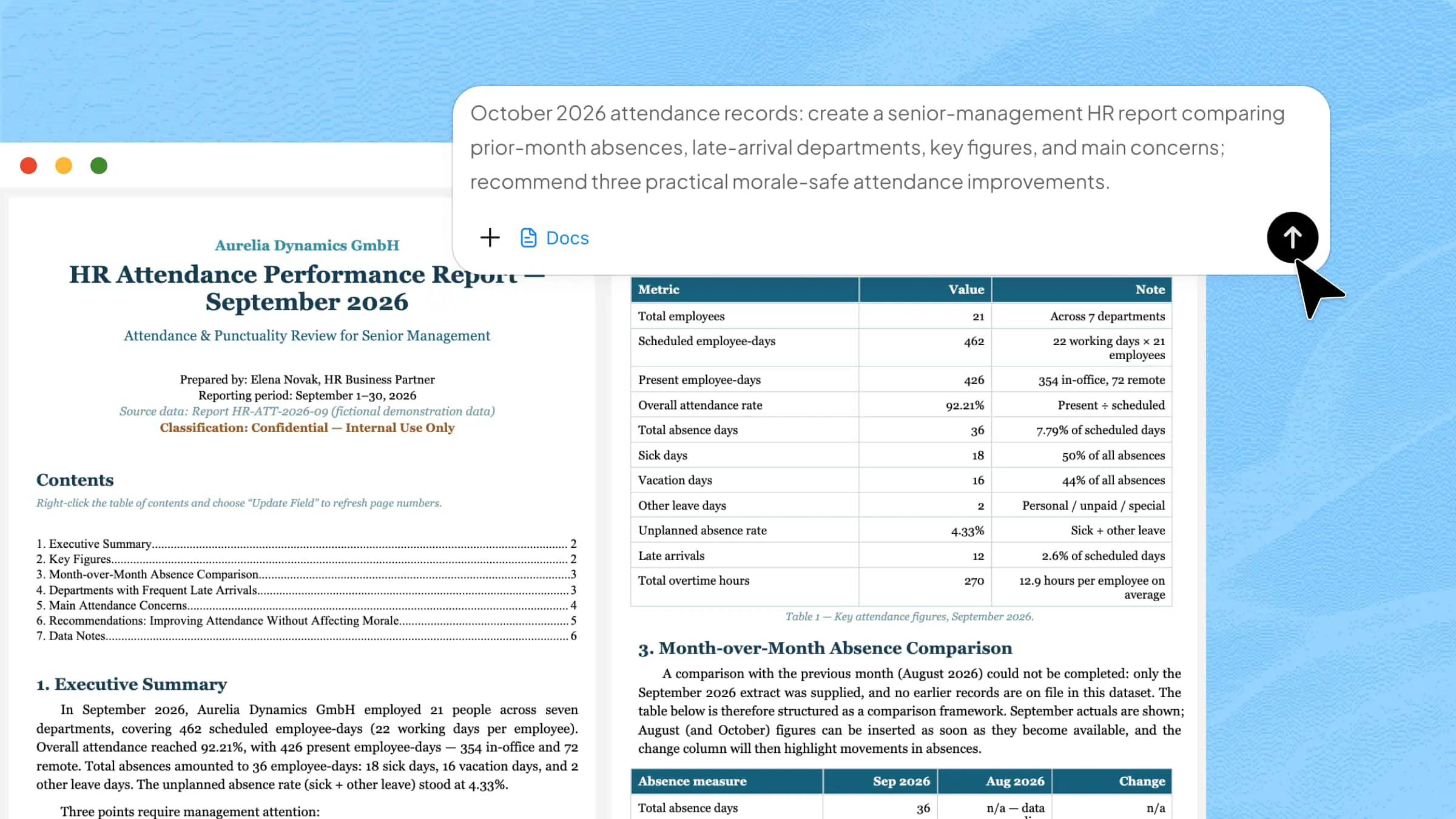
Systematic literature review template
A systematic literature review follows a planned process to find and assess relevant studies. It records search methods, selection criteria, and results to make the process transparent. Use this template when you need a structured, reproducible review.
How to use
Step 1: Enter the prompt in Kimi Docs
Open Kimi Docs and paste the prompt into the input box. Provide clear instructions about your requirements, goals, and expected output to get more relevant results.
Prompt:
Step 2: Let Kimi generate the workflow
Kimi Docs analyzes your instructions, processes the provided information, and creates a structured workflow based on your requirements.
Step 3: Review and export the result
Review the generated content, make adjustments if needed, and export the final result using the export option in the top-right corner.
Scoping review template
A scoping review maps the available research on a broad topic. It highlights major themes, types of evidence, and areas that need further study. Use it to understand the size and scope of a research field before narrowing your research question or focus.
How to use
Step 1: Enter the prompt in Kimi Docs
Open Kimi Docs and paste the prompt into the input box. Provide clear instructions about your requirements, goals, and expected output to get more relevant results.
Prompt:
Step 2: Let Kimi generate the workflow
Kimi Docs analyzes your instructions, processes the provided information, and creates a structured workflow based on your requirements.
Step 3: Review and export the result
Review the generated content, make adjustments if needed, and export the final result using the export option in the top-right corner.
Thematic literature review template
A thematic literature review groups research around recurring ideas rather than individual papers. It helps you identify patterns, disagreements, and connections across studies. Use it when your topic has several themes worth comparing and exploring in greater depth.
How to use
Step 1: Enter the prompt in Kimi Docs
Open Kimi Docs and paste the prompt into the input box. Provide clear instructions about your requirements, goals, and expected output to get more relevant results.
Prompt:
Step 2: Let Kimi generate the workflow
Kimi Docs analyzes your instructions, processes the provided information, and creates a structured workflow based on your requirements.
Step 3: Review and export the result
Review the generated content, make adjustments if needed, and export the final result using the export option in the top-right corner.
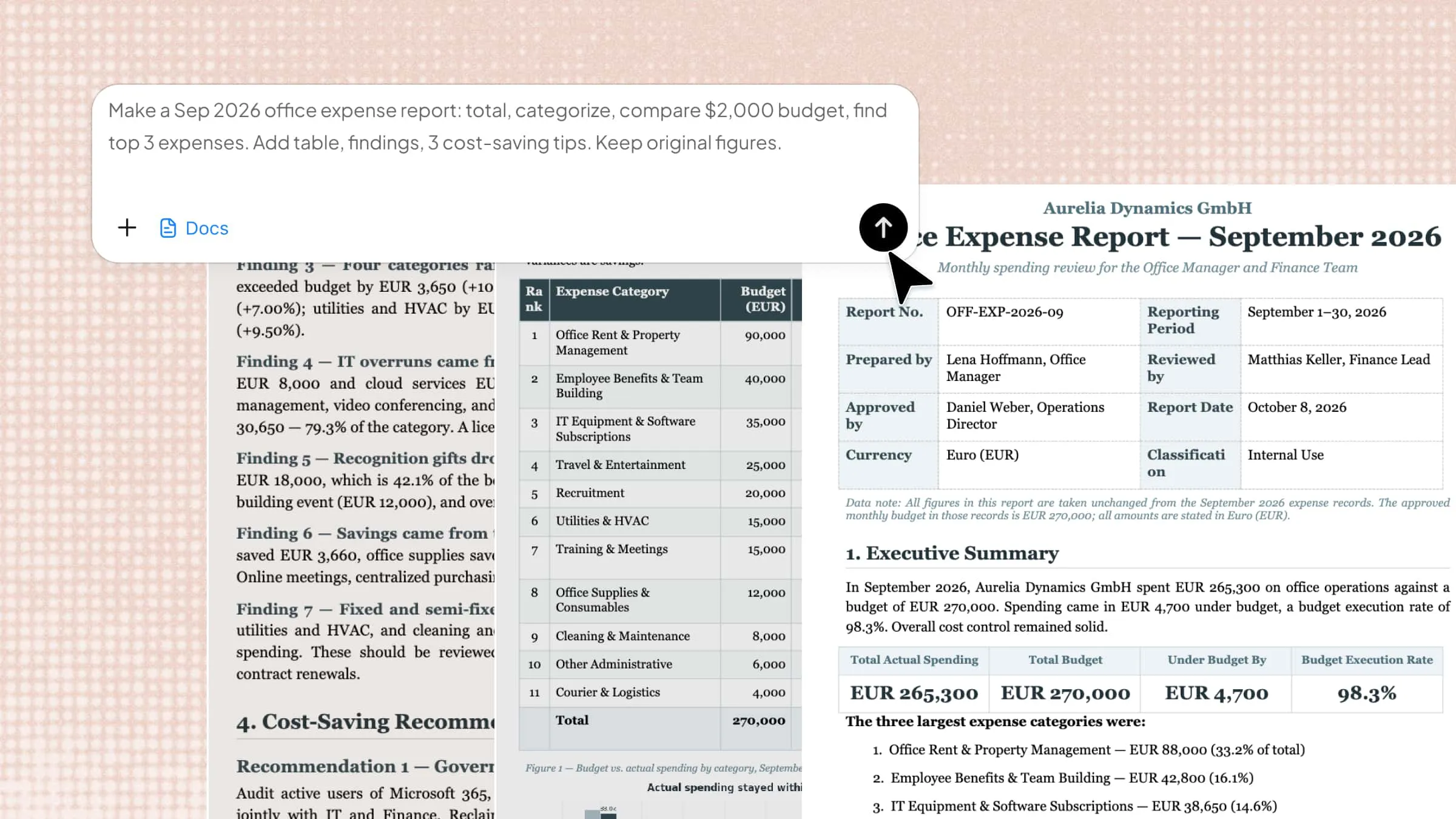
Critical literature review template
A critical literature review evaluates the quality and limitations of existing research. It helps you question methods, assess evidence, and identify weaknesses in previous studies. Use it when you need to develop a balanced, evidence-based argument and evaluate the reliability of existing conclusions.
How to use
Step 1: Enter the prompt in Kimi Docs
Open Kimi Docs and paste the prompt into the input box. Provide clear instructions about your requirements, goals, and expected output to get more relevant results.
Prompt:
Step 2: Let Kimi generate the workflow
Kimi Docs analyzes your instructions, processes the provided information, and creates a structured workflow based on your requirements.
Step 3: Review and export the result
Review the generated content, make adjustments if needed, and export the final result using the export option in the top-right corner.
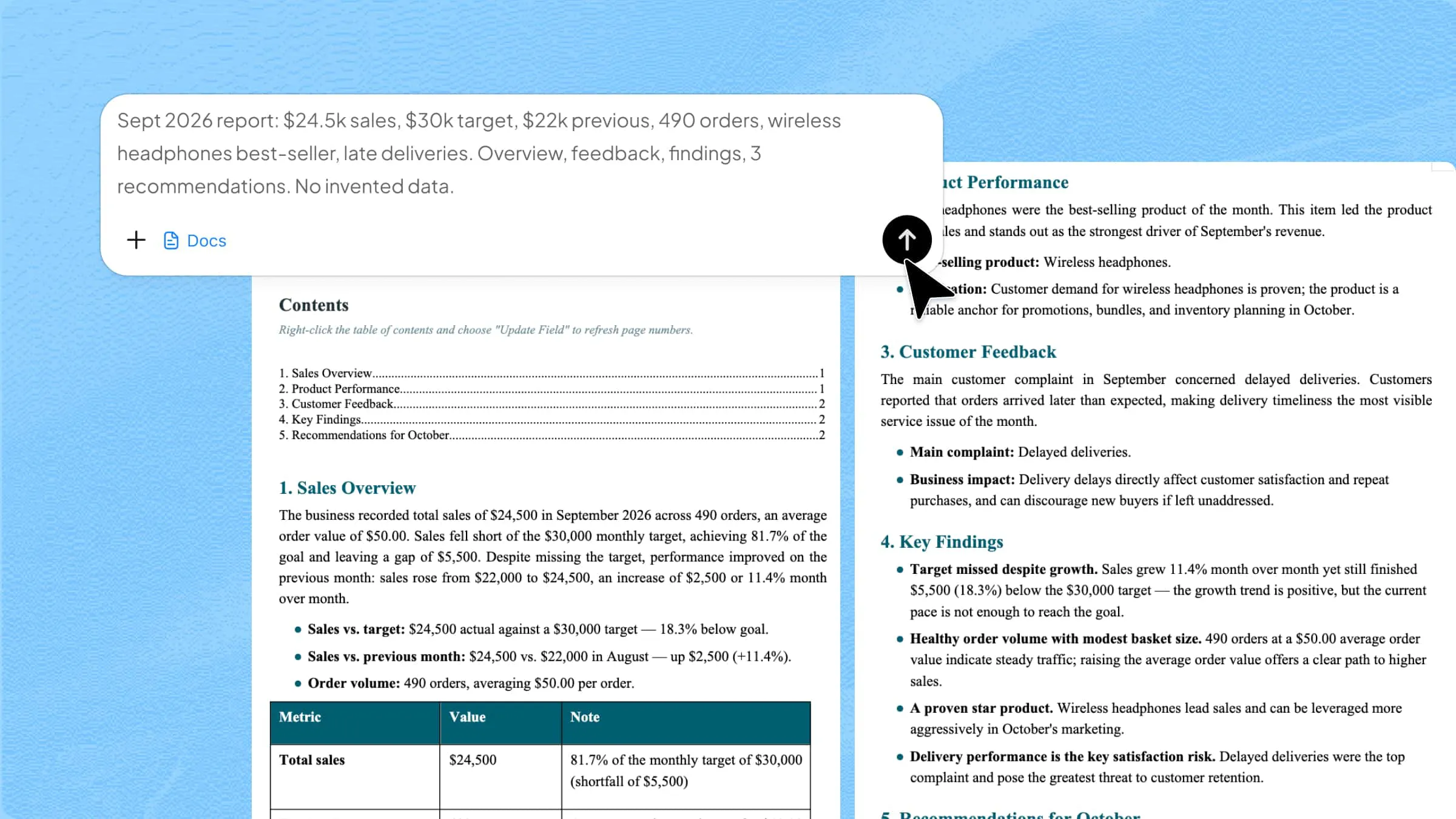
Historical literature review template
A historical literature review traces how research on a topic has changed over time. It highlights major discoveries, influential studies, and shifts in theories or methods. Use it when the development of a field is important to understanding its current ideas and research directions.
How to use
Step 1: Enter the prompt in Kimi Docs
Open Kimi Docs and paste the prompt into the input box. Provide clear instructions about your requirements, goals, and expected output to get more relevant results.
Prompt:
Step 2: Let Kimi generate the workflow
Kimi Docs analyzes your instructions, processes the provided information, and creates a structured workflow based on your requirements.
Step 3: Review and export the result
Review the generated content, make adjustments if needed, and export the final result using the export option in the top-right corner.
Methodological literature review template
A methodological literature review compares the methods researchers use to investigate a topic. It helps you assess research designs, data collection techniques, and analytical approaches. Use it when evaluating methods or choosing an approach for your own study based on previous research.
How to use
Step 1: Enter the prompt in Kimi Docs
Open Kimi Docs and paste the prompt into the input box. Provide clear instructions about your requirements, goals, and expected output to get more relevant results.
Prompt:
Step 2: Let Kimi generate the workflow
Kimi Docs analyzes your instructions, processes the provided information, and creates a structured workflow based on your requirements.
Step 3: Review and export the result
Review the generated content, make adjustments if needed, and export the final result using the export option in the top-right corner.
Theoretical literature review template
A theoretical literature review examines theories and models used to explain a topic. It helps you compare assumptions, key concepts, and explanatory strengths. Use it when developing or evaluating a theoretical framework for your research and understanding competing explanations.
How to use
Step 1: Enter the prompt in Kimi Docs
Open Kimi Docs and paste the prompt into the input box. Provide clear instructions about your requirements, goals, and expected output to get more relevant results.
Prompt:
Step 2: Let Kimi generate the workflow
Kimi Docs analyzes your instructions, processes the provided information, and creates a structured workflow based on your requirements.
Step 3: Review and export the result
Review the generated content, make adjustments if needed, and export the final result using the export option in the top-right corner.
Meta-analysis literature review template
A meta-analysis combines numerical findings from comparable studies to estimate an overall effect. It helps researchers organize effect sizes, sample sizes, and statistical results. Use this template when your selected studies provide suitable data for quantitative synthesis and meaningful statistical comparisons.
How to use
Step 1: Enter the prompt in Kimi Docs
Open Kimi Docs and paste the prompt into the input box. Provide clear instructions about your requirements, goals, and expected output to get more relevant results.
Prompt:
Step 2: Let Kimi generate the workflow
Kimi Docs analyzes your instructions, processes the provided information, and creates a structured workflow based on your requirements.
Step 3: Review and export the result
Review the generated content, make adjustments if needed, and export the final result using the export option in the top-right corner.
Integrative literature review template
An integrative literature review combines different types of research to develop a broader understanding of a topic. It can bring together theoretical, qualitative, and quantitative evidence. Use it when you want to connect different perspectives and develop new insights that inform future research or practice.
How to use
Step 1: Enter the prompt in Kimi Docs
Open Kimi Docs and paste the prompt into the input box. Provide clear instructions about your requirements, goals, and expected output to get more relevant results.
Prompt:
Step 2: Let Kimi generate the workflow
Kimi Docs analyzes your instructions, processes the provided information, and creates a structured workflow based on your requirements.
Step 3: Review and export the result
Review the generated content, make adjustments if needed, and export the final result using the export option in the top-right corner.
Why create a literature review with Kimi Docs
A good literature review starts with strong sources and a clear way to make sense of them. Kimi Docs helps you bring research materials together, explore key findings, and organize information around your research goals. Here's how its features can make each stage of your literature review easier.
Structure research findings into academic documents: Kimi Docs helps organize literature review content into structured Word documents with clear headings, sections, and tables. This makes it easier to present research themes, summarize existing findings, and develop a coherent academic narrative.
Transform research files into usable content: Work with supported file formats, including PDFs and Word documents, to reorganize existing material for your review. Kimi Docs can also transform content between document formats, helping adapt research notes and presentation materials to a written academic format.
Format citations, tables, and academic content: Kimi Docs supports document elements such as academic citations, tables, and LaTeX formulas. These formatting capabilities help present references, research comparisons, and technical information in a more organized academic document.
Review drafts and refine academic writing: Kimi Docs provides contextual comments and revision suggestions for Word documents. It can help identify passages that need clarification or revision, while side-by-side document comparison makes it easier to review changes between versions.
Create polished, readable literature review documents: Kimi Docs supports long-form Word and PDF document creation, with features such as structured headings and clickable tables of contents. These elements help readers navigate lengthy reviews and locate key research themes more easily.
Tips for creating well-structured literature reviews
A well-structured literature review does more than summarize existing research. It connects ideas, compares findings, and builds a clear picture of what researchers already know about your topic. Keep these tips in mind to make your review easier to follow and more useful to your research.
Define a clear research question: Start with a specific research question that gives your literature review direction. It helps you identify relevant studies and avoid information that does not support your research goals. A focused question also makes it easier to connect findings and build a clear argument.
Use a systematic approach to find relevant sources: Search academic databases, research journals, and trusted scholarly websites for reliable sources. Use relevant keywords and related search terms to find studies covering different aspects of your question. Keep track of your searches and selected papers to stay organized.
Organize studies around themes, not just authors: Group studies by shared topics, ideas, methods, or findings rather than discussing each author separately. This helps readers understand how different researchers contribute to the same discussion. It also makes common patterns and differences easier to identify.
Compare and critically evaluate research findings: Look beyond each study's main findings and consider how researchers reached their conclusions. Compare their methods, evidence, and limitations to understand where they agree or disagree. This helps you identify research gaps and develop stronger arguments.
Build a logical structure with clear transitions: Arrange your review, so each section follows naturally from the previous one. Start with the broader context, explore key themes, and gradually move toward your research question. Use clear transitions to connect ideas and guide readers through your argument.
Verify citations and maintain consistent referencing: Check citations against the original sources to confirm author names, publication years, and findings. Follow the referencing style required by your institution, such as APA, MLA, or Harvard. Record complete source details as you research to make preparing your reference list easier.
Conclusion
You don't need to follow the same structure for every research project. Choosing suitable literature review Word templates helps you create a review that fits your topic and academic goals. Keep your sources organized and let your own analysis guide the discussion. Try Kimi Docs to discover relevant research and make sense of the information you collect.