Finding the right topic is an important step in creating an informative speech that keeps the audience interested. A good topic makes it easier to explain ideas clearly and share useful information. Students, teachers, and speakers can choose from topics related to science, technology, education, health, society, and everyday life. In this article, we explore 100 informative speech topics to help you prepare engaging and meaningful presentations.
Quick-reference category index: 100 informative speech topics
These informative speech topic ideas cover a wide range of subjects, making it easier to find an idea that suits your interests and audience. The following categories help you quickly explore different topics and choose one that fits your presentation goals.
| Category | Topics | Suitable for |
|---|---|---|
| Science & technology | 1–10 | Students, tech audiences, professionals |
| Health & wellness | 11–20 | Students, general audiences, health-related presentations |
| Environment & sustainability | 21–30 | Students, awareness talks, environmental presentations |
| Arts & culture | 31–40 | Creative presentations, students, general audiences |
| Business & economics | 41–50 | Business students, professionals, career presentations |
| Psychology & human behavior | 51–60 | Students, general audiences, psychology presentations |
| Society & current issues | 61–70 | College presentations, discussions, awareness talks |
| Education & learning | 71–80 | Teachers, students, academic settings |
| History & politics | 81–90 | History students, academic presentations, general audiences |
| Everyday life & practical skills | 91–100 | Students, general audiences, practical presentations |
100 informative speech topics worth talking about
Choosing the right informative speech topic can make your presentation clearer, more interesting, and easier to prepare. With many ideas to choose from, you can find a topic that matches your interests and connects with your audience. Here are 100 informative speech topics worth talking about.
Science and technology
Science and technology topics make informative speeches interesting by explaining the ideas and tools that shape modern life. You can focus on simple scientific concepts, new inventions, or technologies people use in their daily routines. These topics enable you to share useful information while helping the audience understand how modern technology works.
Below are 10 topic ideas that offer useful and engaging ways to explore science and technology.
How AI is used in everyday apps
The science behind renewable energy
How smartphones recognize faces
The role of satellites in modern communication
How cloud computing stores information
The basics of cybersecurity
How electric vehicles work
The future of wearable technology
How 5G networks improve connectivity
The role of robotics in healthcare
Health and wellness
Health and wellness topics are a strong choice for informative speeches because they focus on habits that affect our everyday lives. You can discuss sleep, nutrition, exercise, stress, and other simple ways to support overall well-being. These subjects give speakers a chance to share useful knowledge that the audience can understand and relate to.
Here are 10 topic ideas that can help you create a clear, practical, and engaging presentation.
Why sleep is essential for mental health
How hydration affects the body
The science of stress management
How physical activity improves concentration
Understanding balanced nutrition
How screen time affects eye health
The importance of good posture
How habits are formed
The role of mental health awareness
How music influences mood
Environment and sustainability
Environment and sustainability topics help students understand how daily activities affect nature and natural resources. They cover important issues such as climate change, pollution, wildlife, water, and forests. These topics also explain simple ways to protect the planet and use resources wisely.
Check out 10 informative speech examples about the environment and sustainability:
What causes climate change
How recycling actually works
The importance of biodiversity
How deforestation affects the environment
The role of oceans in climate regulation
Renewable vs. nonrenewable resources
The impact of plastic pollution
How wildlife conservation works
Benefits of urban gardening
Water conservation methods
Arts and culture
Arts and culture topics offer an interesting way to understand creativity, traditions, and human expression. They explore areas like films, music, animation, theater, games, and digital artwork. These subjects also highlight how creative activities influence society and connect people with different ideas and cultures.
Here are 10 basic informative speech topics about arts and culture:
How movies are made
The evolution of music genres
How animation works
The role of art in society
How video games are designed
The history of theater
How storytelling shapes culture
The influence of streaming platforms
How digital art is created
The role of sound design in film
Business and economics
Business and economics topics introduce students to the ideas and activities that shape trade, finance, and the workplace. Areas such as entrepreneurship, marketing, leadership, money management, and innovation offer useful knowledge for everyday life and future careers. Learning about business practices also gives a clear view of how companies grow, compete, and build lasting success.
Explore 10 top informative speech topics about business and economics:
What entrepreneurship really means
How marketing influences consumers
The role of leadership in organizations
How supply chains work
The basics of financial literacy
How branding shapes perception
The impact of remote work
How innovation drives growth
The role of ethics in business
How customer service affects loyalty
Psychology and human behavior
Psychology provides a closer look at thoughts, feelings, habits, and everyday actions. It helps students understand why people respond differently to situations and what shapes their choices. Simple psychological concepts can connect easily with daily life and personal experiences.
Let's explore 10 interesting informative speech topics about psychology and human behavior:
How memory works
Why people procrastinate
The psychology of habits
How emotions influence decisions
The role of body language
How attention works
Why do people fear public speaking
The psychology of motivation
How personality traits form
The placebo effect
Society and current issues
Society and current issues topics help students explore ideas, events, and changes that shape communities. Culture and history provide useful insight into how people live, communicate, learn, and share traditions. Such subjects also connect past developments with the way society works today.
Here are 10 good informative speech topics that explore society, culture, and current issues:
The impact of social media on society
How cultural traditions change over time
The influence of popular culture on young people
How immigration shapes local communities
The role of volunteering in communities
How cities are adapting to population growth
The effects of misinformation on society
How language reflects cultural identity
The history and impact of major social movements
How technology is changing human relationships
Education and learning
Education and learning topics give students a chance to explore how knowledge is gained and shared. They include study methods, classroom practices, digital learning, memory, and useful academic tools. Such subjects can also help learners discover better ways to study, focus, and build new skills.
Here are 10 informative speech topic examples related to education and learning:
How people learn differently
The importance of critical thinking
How online education works
The role of teachers in society
How exams measure knowledge
The benefits of lifelong learning
How note-taking improves memory
The science of concentration
How libraries support education
The evolution of textbooks
History and politics
History and politics help students understand how societies are formed, governed, and changed over time. These areas cover important events, laws, leadership, public systems, and the development of communities. Learning about the past also gives a clearer view of how political decisions can influence people's lives.
Explore 10 simple informative speech topics related to history and politics:
How traditions shape cultural identity
The history of written language
How social media influences society
The evolution of education systems
The impact of globalization
How laws shape societies
The role of storytelling in history
How migration influences culture
The history of currency
How cultural festivals originate
Everyday life and practical skills
Practical skills help students handle daily tasks with greater ease and confidence. Topics in this area focus on useful habits, personal organization, communication, planning, and teamwork. Each subject offers simple knowledge that can be applied at home, in college, or at work.
Below are 10 easy informative speech topics related to everyday life and practical skills:
How to manage time effectively
The basics of personal budgeting
How to write professional emails
How goal setting works
The basics of public speaking
How to organize digital files
How problem-solving frameworks work
The importance of digital literacy
How teamwork improves results
How presentation design affects learning
Organize ideas and build an informative speech with Kimi Docs
Kimi Docs is a useful AI document agent for organizing ideas and turning them into a clear, well-structured informative speech. It can help arrange key points, expand rough notes, and create a logical flow, making the writing process easier, faster, and more efficient. Its AI-powered features also support research, drafting, and refining content, helping you prepare engaging and informative speeches without starting from scratch.
Main features
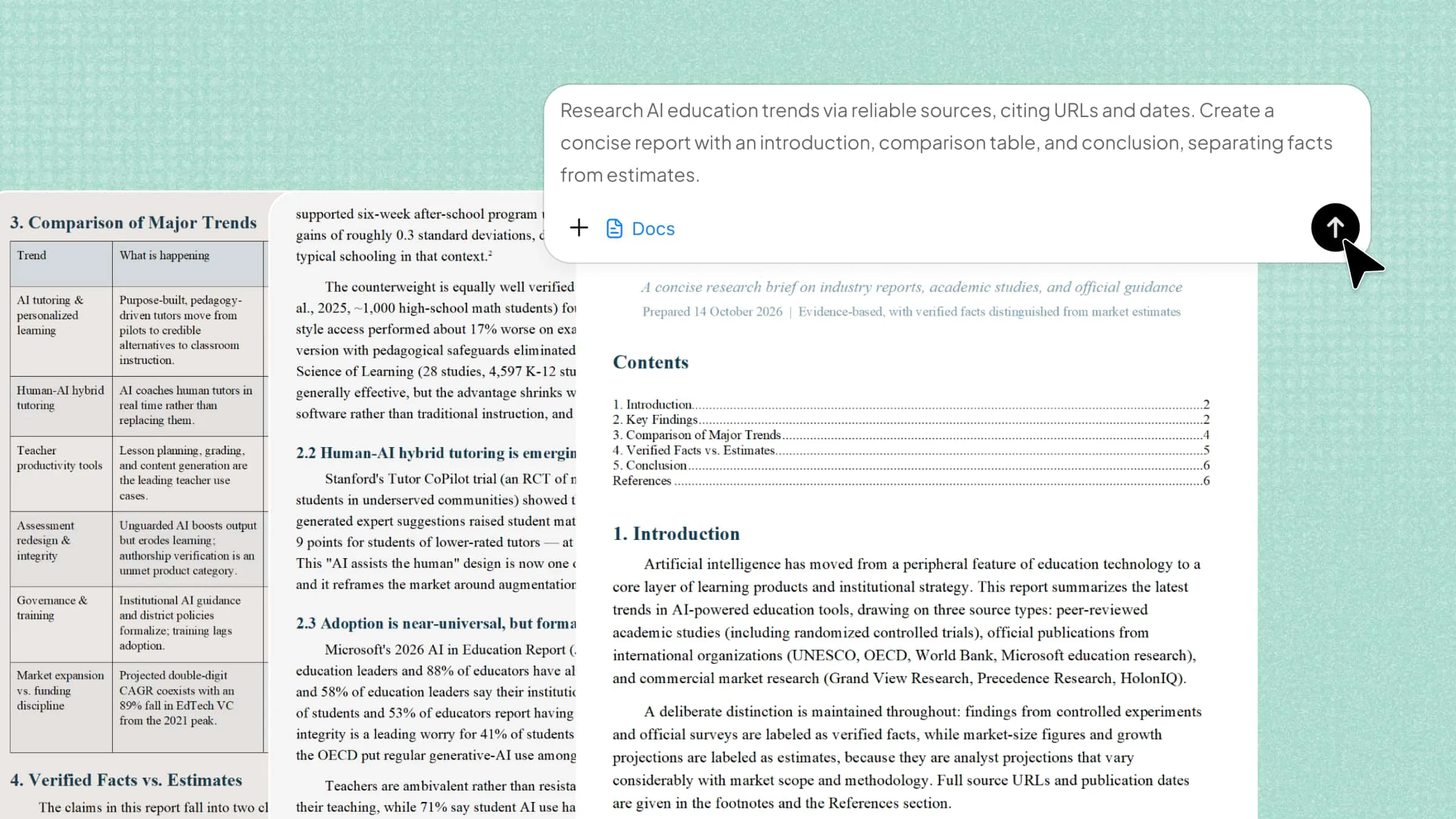
Explore more informative speech topics: Start with a broad subject and let Kimi Docs suggest specific topics, useful angles, and fresh directions. It can also tailor ideas to your audience or assignment needs.
Turn scattered research into key insights: Add notes, articles, PDFs, and other research materials in one place. Kimi Docs can find important points, connect related information, and organize everything clearly.
Build a speech around a clear line of thought: Turn your main findings into a well-organized speech structure with a natural flow. This helps you decide what to introduce, explain, compare, and highlight.
Adapt speeches to different audiences and requirements: Adjust the language, length, tone, and level of detail according to your audience. You can also shape the speech to fit different time limits and assignment guidelines.
Generate ready-to-use speech documents: Create complete speech documents with organized sections and refined content. The finished document can be used directly or edited to match your needs.
How to draft informative speeches with Kimi Docs
Kimi Docs simplifies the process of turning your ideas and research into a clear, well-structured informative speech. You can start with a topic, organize your key points, and refine the content to create a draft. Follow the steps below to learn how to draft an informative speech with Kimi Docs.
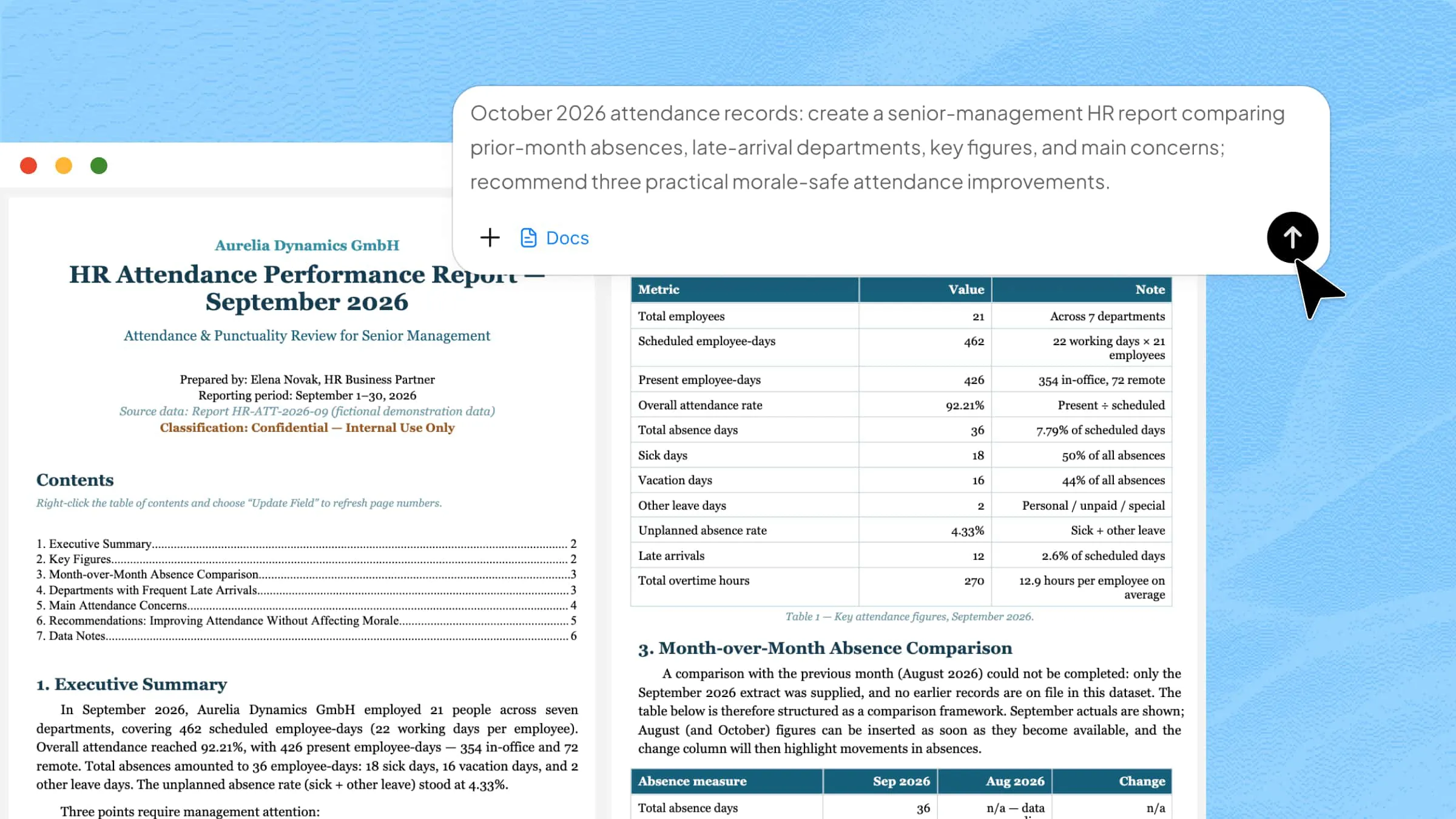
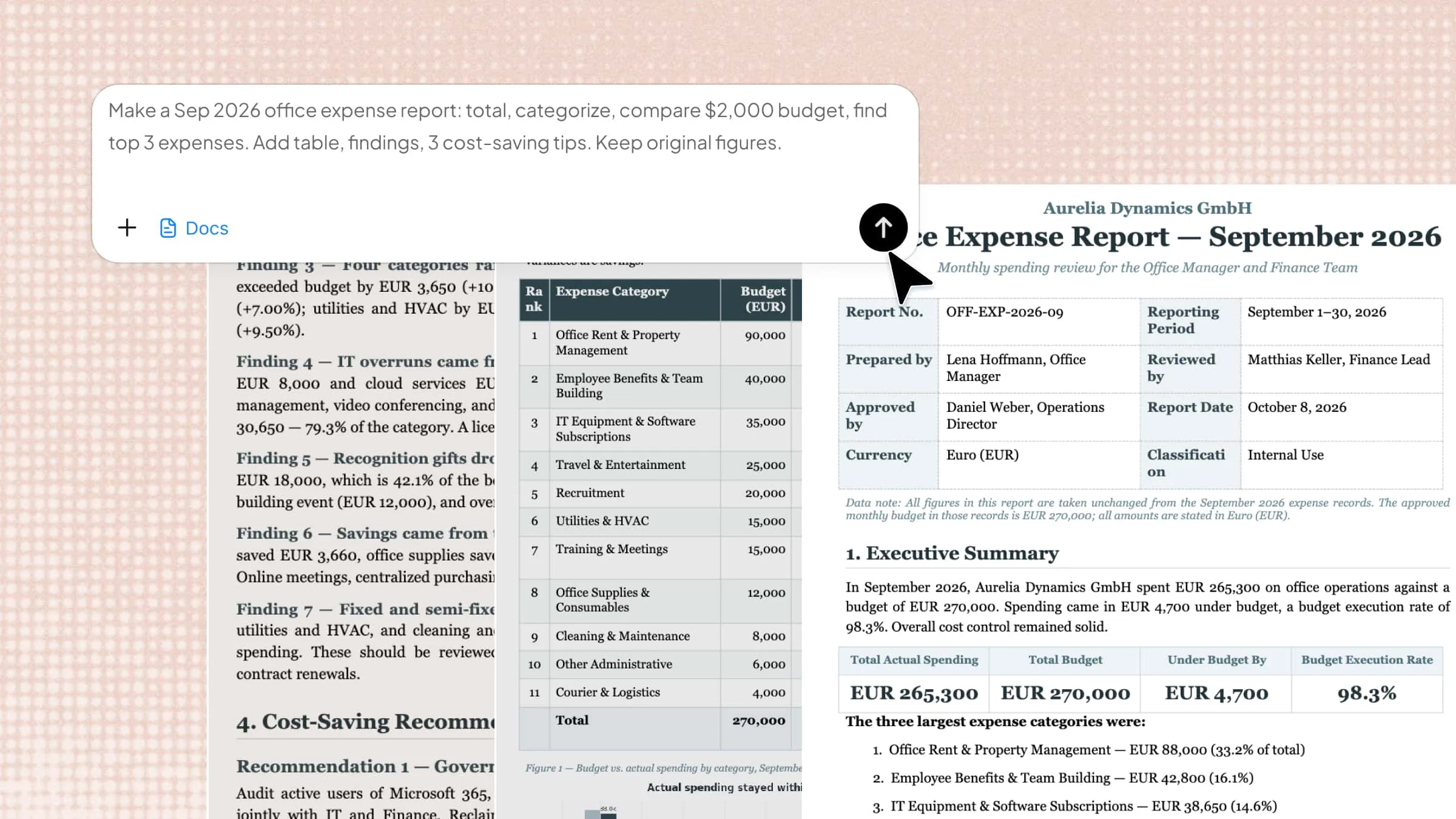
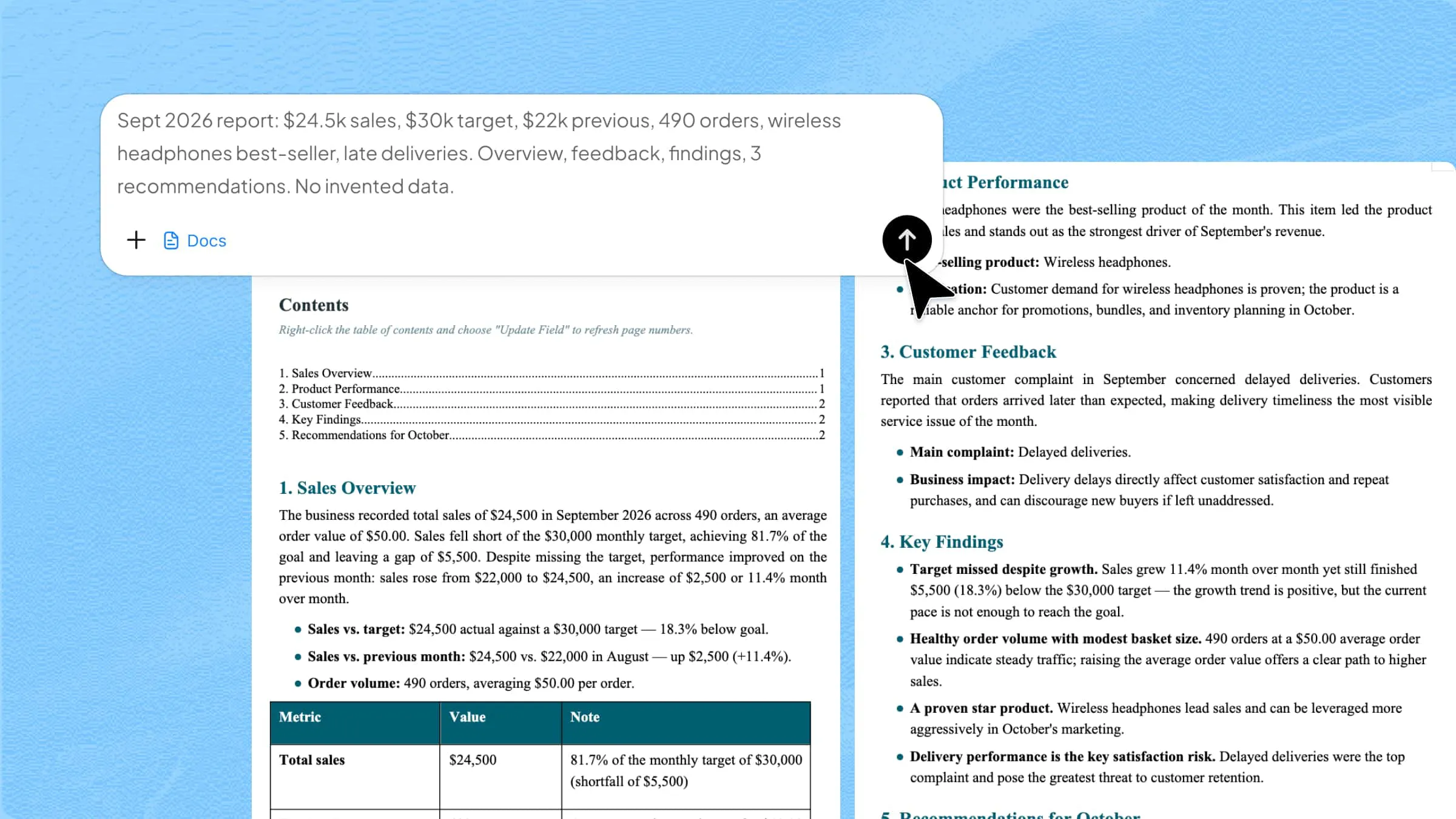
Step 1: Enter a clear prompt
Start by entering a specific prompt that explains the topic, audience, purpose, and structure of the informative speech you want to create. Include details such as the desired length, tone, key points, and level of language, so Kimi Docs can generate a focused and useful draft.
Step 2: Let Kimi process and generate results
After entering your prompt, enable Kimi Docs to process your instructions and generate the speech draft. The AI will organize your topic, key points, and structure into a clear and well-flowing speech based on the details you provided.
Step 3: Review and download the file
Review the generated speech to make sure the structure, key points, language, and overall flow match your requirements. If needed, refine the content with additional prompts before downloading the final speech document.
How to choose a unique informative speech topic
Choosing the right informative speech topic can make your presentation more engaging and easier to develop. A strong topic should match your audience's interests while giving you enough information to explain the subject clearly. Consider the following tips to find a unique and effective informative speech topic.
Start with a topic you genuinely care about
Choose a subject that interests you or makes you curious to learn more. When you enjoy the topic, researching and preparing the speech becomes easier. Your natural interest can also help you speak with more confidence and energy.
Add a clear purpose or central question
Give your speech one main purpose or question to keep your ideas focused. A clear direction helps you decide which information belongs in the presentation. It also makes the speech easier for your audience to understand and follow.
Consider what your audience wants to learn
Think about the interests, needs, and knowledge level of your listeners before choosing a topic. A useful or relatable subject is more likely to keep the audience interested. Select something that offers new information or answers a question they may have.
Make sure you can find reliable information
Check whether enough trustworthy sources are available before finalizing your topic. Books, research papers, expert websites, and educational sources can provide useful facts. Reliable information will make your speech more accurate and credible.
Narrow the topic to fit your speech length
A broad subject can be difficult to explain properly within a short presentation. Choose one specific area or aspect that you can cover in the available time. A focused topic allows you to explain each important point without rushing.
Choose a topic that informs rather than argues
An informative speech should mainly explain facts, ideas, events, or processes to the audience. Avoid topics that require you to strongly support one side of an issue. Focus on sharing useful knowledge in a balanced and easy-to-understand way.
Conclusion
Choosing the right informative speech topic can make your presentation more focused and engaging for the audience. These 100 topics cover a wide range of subjects, from science and health to education, society, and everyday life. Each idea gives you a useful starting point to share clear information and keep your audience interested. For an easy way to turn your ideas into well-organized presentations, try Kimi and see how quickly you can bring your speech topics to life.