A great speech can lose its impact before it even begins if the topic feels predictable, too broad, or impossible to argue with confidence. Choosing the right persuasive speech topic gives you a clear direction, stronger evidence, and a better chance of keeping your audience engaged. This guide features 100 ideas to help you find a focused, relevant topic worth developing.
Quick-reference category index: 100 persuasive speech topics
A strong persuasive speech starts with a subject that has clear arguments, credible evidence, and room for different perspectives. Choose an idea that fits your audience while providing enough depth to support a well-researched position. Use the index below to find a focused choice that can lead to a clear, compelling, and well-supported speech.
| Category | Topics | Suitable for |
|---|---|---|
| Personal choices and habits | 1–10 | Lifestyle, self-improvement, personal growth |
| School and student life | 11–20 | Students, classroom discussions, school activities |
| Parenting and family life | 21–30 | Parents, families, community discussions |
| Work and career | 31–40 | Professionals, job seekers, career development |
| Money and consumer choices | 41–50 | Financial literacy, budgeting, smart spending |
| Technology and online behavior | 51–60 | Digital users, online safety, technology discussions |
| Media and entertainment | 61–70 | Media studies, pop culture, general audiences |
| Social issues and relationships | 71–80 | Awareness, advocacy, community discussions |
| Ethics and everyday dilemmas | 81–90 | Debates, moral reasoning, values education |
| Government and public policy | 91–100 | Civics, policy discussions, informed citizens |
100 good topics for persuasive speeches to impress your audience
The right topic can make research more focused and give your speech a stronger sense of purpose. Consider an issue that matters to your listeners and allows you to explain your position through practical examples, relevant facts, and thoughtful reasoning. The ideas below can help you choose a unique persuasive speech topic that captures attention and leaves your audience with something to think about.
Personal choices and habits
Daily decisions can gradually shape productivity, spending patterns, relationships, and overall well-being. Building better routines and making thoughtful choices can help people manage their time, energy, and priorities more effectively. The following 10 topics can help you develop practical arguments grounded in everyday experiences.
Building a daily routine that improves productivity
Making mornings productive while protecting sleep
Setting practical limits on daily screen time
Replacing multitasking with focused work sessions
Using simple budgeting habits to manage everyday spending
Choosing meaningful experiences over unnecessary purchases
Creating clear boundaries around social media use
Planning meals to reduce time, costs, and food waste
Setting realistic goals for steady personal progress
Adopting a simpler lifestyle to reduce stress and spending
School and student life
School and student life include issues that can directly affect learning, academic performance, motivation, and future opportunities. Topics related to grading, homework, attendance, technology, discipline, and classroom practices offer clear points for discussion and debate.
Here are 10 persuasive speech topics related to school and student life:
The impact of school start times on student learning and sleep
How homework affects academic performance and student well-being
The role of smartphones in modern classroom learning
The value of practical assessments compared with traditional exams
Why financial literacy belongs in the school curriculum
How student choice can improve engagement with learning
The effect of school rules on student responsibility and independence
The importance of accessible mental health support for students
How school uniforms influence student behavior and school culture
How group projects develop communication and teamwork skills
Parenting and family life
Parenting and family life can influence children's habits, confidence, behavior, and sense of responsibility. From setting boundaries to sharing household duties, everyday family decisions can affect relationships and personal development. These easy persuasive speech topics focus on everyday family decisions and relatable situations that offer clear perspectives for discussion and argument.
Setting clear rules without creating unnecessary conflict at home
Giving children more independence as they grow older
Teaching children how to manage money before they become adults
Limiting screen time to encourage healthier family habits
Making shared household chores a family responsibility
Balancing parental protection with children's freedom to make choices
Replacing harsh punishment with positive discipline methods
Making family meals a regular time for communication
Teaching children to handle failure instead of always protecting them from it
Giving children a voice in family decisions that affect them
Work and career
Work choices affect more than income; they can shape professional growth, daily routines, motivation, and personal time. Changes in workplace culture, hiring practices, and career development also influence how people build satisfying careers. The given topics focus on practical workplace decisions and career choices.
Flexible work schedules and their effect on employee productivity
Skills-based hiring and its role in expanding employment opportunities
Internships as preparation for professional careers
Remote work and its influence on work-life balance
Workplace breaks and their effect on concentration and performance
Professional training as a tool for career advancement
Employee recognition and its impact on workplace motivation
Four-day workweeks and changes in employee productivity
Career development programs and long-term employee retention
Workplace culture and its influence on job satisfaction
Money and consumer choices
Everyday financial choices can influence savings, debt, spending habits, and long-term security. Consumers also face constant pressure from advertising, online shopping, subscriptions, and easy payment options. These interesting persuasive speech topics describe how people can make more informed decisions with their money.
Budgeting habits and better control of monthly expenses
Price comparison as a way to make smarter purchasing decisions
Emergency savings and protection against unexpected expenses
Buy-now-pay-later services and the risk of unnecessary debt
Advertising strategies and their influence on consumer spending
Durable products and their value over cheaper alternatives
Subscription services and hidden increases in monthly spending
Buying used products as a way to reduce unnecessary expenses
Impulse purchases and their effect on personal savings
Financial literacy and better money decisions among young adults
Technology and online behavior
Technology has changed how people communicate, study, work, shop, and access information. Along with these benefits come concerns about privacy, misinformation, screen use, cybersecurity, and responsible AI use. The following topics explore how digital tools influence everyday behavior and decision-making.
Excessive smartphone use and its effect on attention and communication
Personal data protection in everyday online activities
Social media algorithms and their influence on information exposure
Online fact-checking as a way to limit misinformation
Artificial intelligence and changing approaches to education and work
Strong passwords and two-factor authentication for better account security
Constant notifications and their effect on concentration
Digital safety education for children and young internet users
Screen-free periods and healthier technology habits
Online posts and their long-term impact on personal reputation
Media and entertainment
Streaming platforms, gaming, advertising, and creator-driven content can influence how people spend time, form opinions, and follow trends. The topics below cover relevant and debatable issues, including fun persuasive speech topics that can make your presentation more engaging.
Violent media and its effect on young people's attitudes toward aggression
Streaming platforms and the decline of traditional television viewing
Social media creators and their influence on consumer buying decisions
Reality television and changing views of relationships, wealth, and success
Binge-watching and its impact on sleep, focus, and daily routines
Video games as tools for problem-solving, strategy, and decision-making
Media literacy and its role in identifying misleading online content
Celebrity culture and its influence on beauty, lifestyle, and career goals
Educational documentaries and their role in improving public knowledge
Personalized recommendations and their influence on media consumption habits
Social issues and relationships
Social connections influence communication, trust, belonging, and the way people respond to differences. Issues such as loneliness, stereotypes, personal boundaries, and community involvement can affect both individuals and society. Below are some of the good persuasive speech topics on specific social issues that can be explored through evidence and real-life examples.
Personal boundaries and healthier relationships
Loneliness and its effects on social connection
Stereotypes and their influence on education, work, and relationships
Respectful disagreement and stronger communication
Social media and changing expectations in friendships and relationships
Empathy and its role in resolving interpersonal conflicts
Volunteering and stronger community connections
Face-to-face interaction and social development among young people
Social isolation and reduced participation in community activities
Open communication and fewer misunderstandings in close relationships
Ethics and everyday dilemmas
Ethical issues often arise when personal interests conflict with honesty, fairness, privacy, or responsibility. These situations may not have one simple answer, which makes them useful for persuasive speeches. The topics below focus on realistic dilemmas where different choices can have meaningful consequences.
Artificial intelligence use and academic honesty in student work
Returning lost property and respecting personal ownership
Sharing private information and violations of personal trust
Admitting mistakes and building personal accountability
Speaking up against unfair or harmful behavior
Protecting a friend while remaining honest about wrongdoing
Giving proper credit for another person's work
Corporate responsibility for harmful social and environmental effects
Keeping promises when personal circumstances change
Considering consequences before making difficult decisions
Government and public policy
Government decisions can directly affect transportation, education, public safety, environmental protection, and access to essential services. Public policies often involve balancing costs, benefits, rights, and community needs.
Affordable public transportation and access to jobs and education
Safer roads and pedestrian routes to reduce traffic injuries
Public education funding and opportunities for disadvantaged students
Data protection laws and citizens' online privacy
Renewable energy policies and reduced dependence on fossil fuels
Waste management programs and healthier urban environments
Online government services and easier access to public support
Financial education programs and economic independence among young people
Traffic regulations and safer driving behavior
Reliable emergency services and community disaster preparedness
Easily turn a topic into a persuasive speech with Kimi Docs
Kimi Docs is an AI document agent that helps turn ideas, notes, and research into well-structured documents. For persuasive speeches, you can use it to organize your argument, develop supporting points, improve the flow, and shape a clear conclusion. Instead of starting with a blank page, you can give Kimi Docs your topic and instructions, then refine the generated content to match your message and audience.
Main features
Find stronger persuasive speech topics
With Kimi Docs, explore focused ideas around specific issues, audience interests, and contrasting viewpoints. This can reveal fresh angles with enough depth for research, discussion, and debate.
Turn research into convincing arguments
Uploaded articles, notes, and reference materials can be analyzed to find relevant statistics, facts, examples, and key findings. These details add substance to your claims and make the argument more credible.
Build a clear argument from start to finish
Claims, supporting evidence, counterarguments, and conclusions can be connected in a logical flow. This keeps the speech focused while showing how each point supports the central position.
Preview and refine your speech with AI
Kimi lets you review the generated draft and refine it through natural-language prompts. You can clarify explanations, strengthen reasoning, expand ideas, or adjust the wording without starting over.
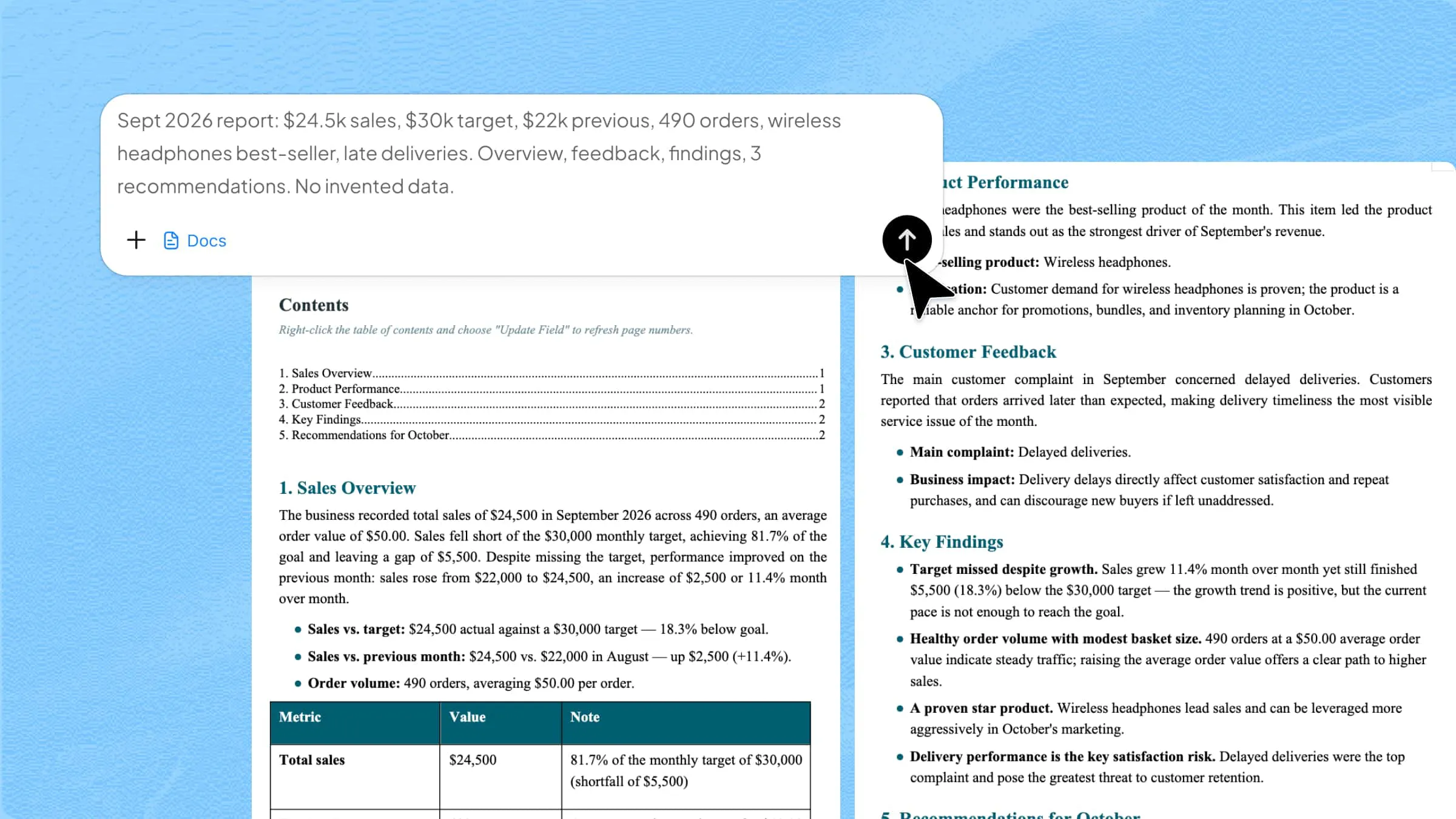
Generate ready-to-use persuasive speech documents
Kimi Docs can turn your developed content into a polished document with the main speech sections clearly presented. The finished file can be edited further, used for practice, or prepared for delivery.
How to use Kimi Docs to create persuasive speeches
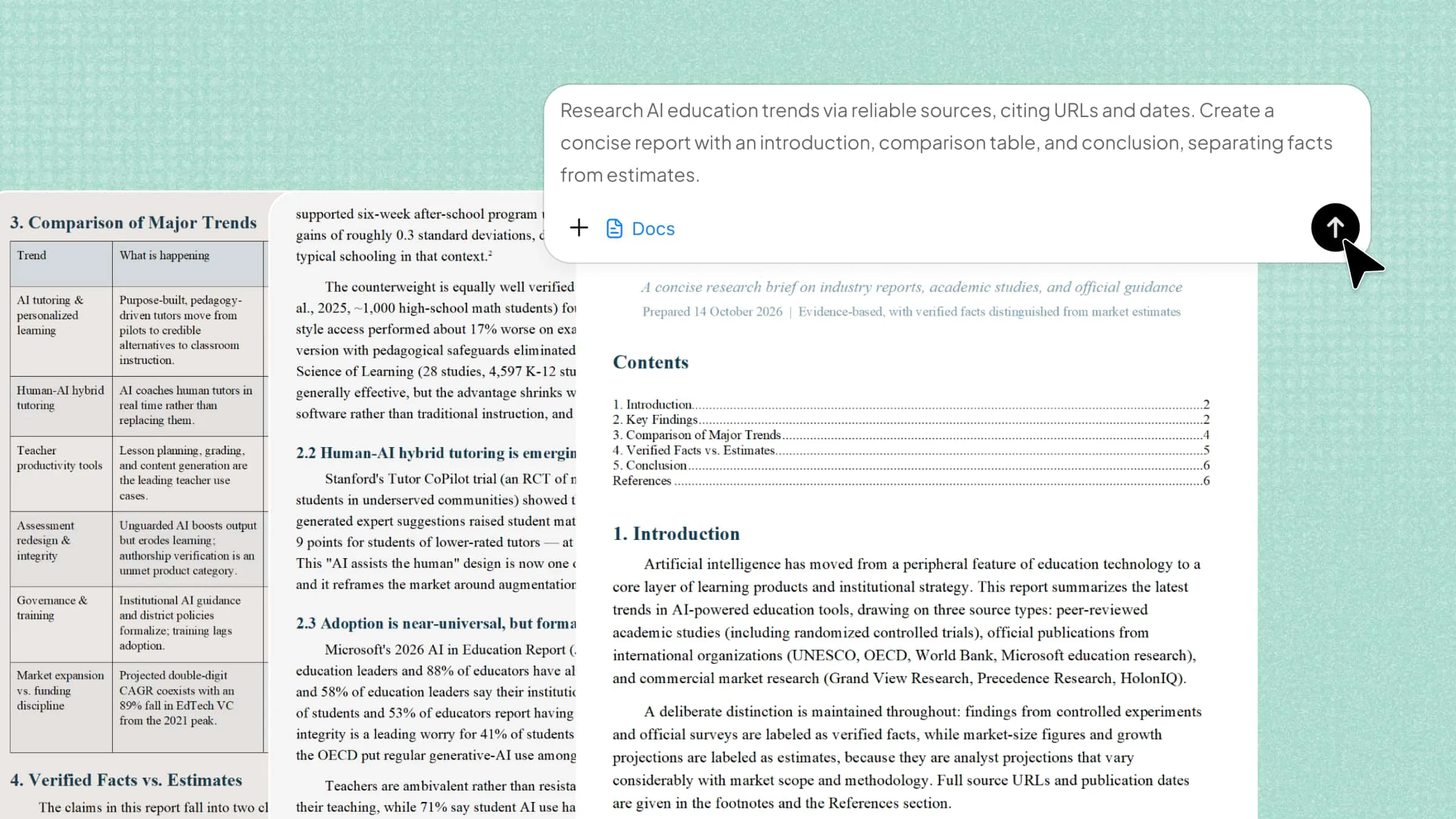
If you want to create a persuasive speech using Kimi, follow the steps below:
Step 1: Enter a clear prompt
Open Kimi Docs and enter a detailed prompt with your topic, audience, key arguments, tone, and preferred speech structure.
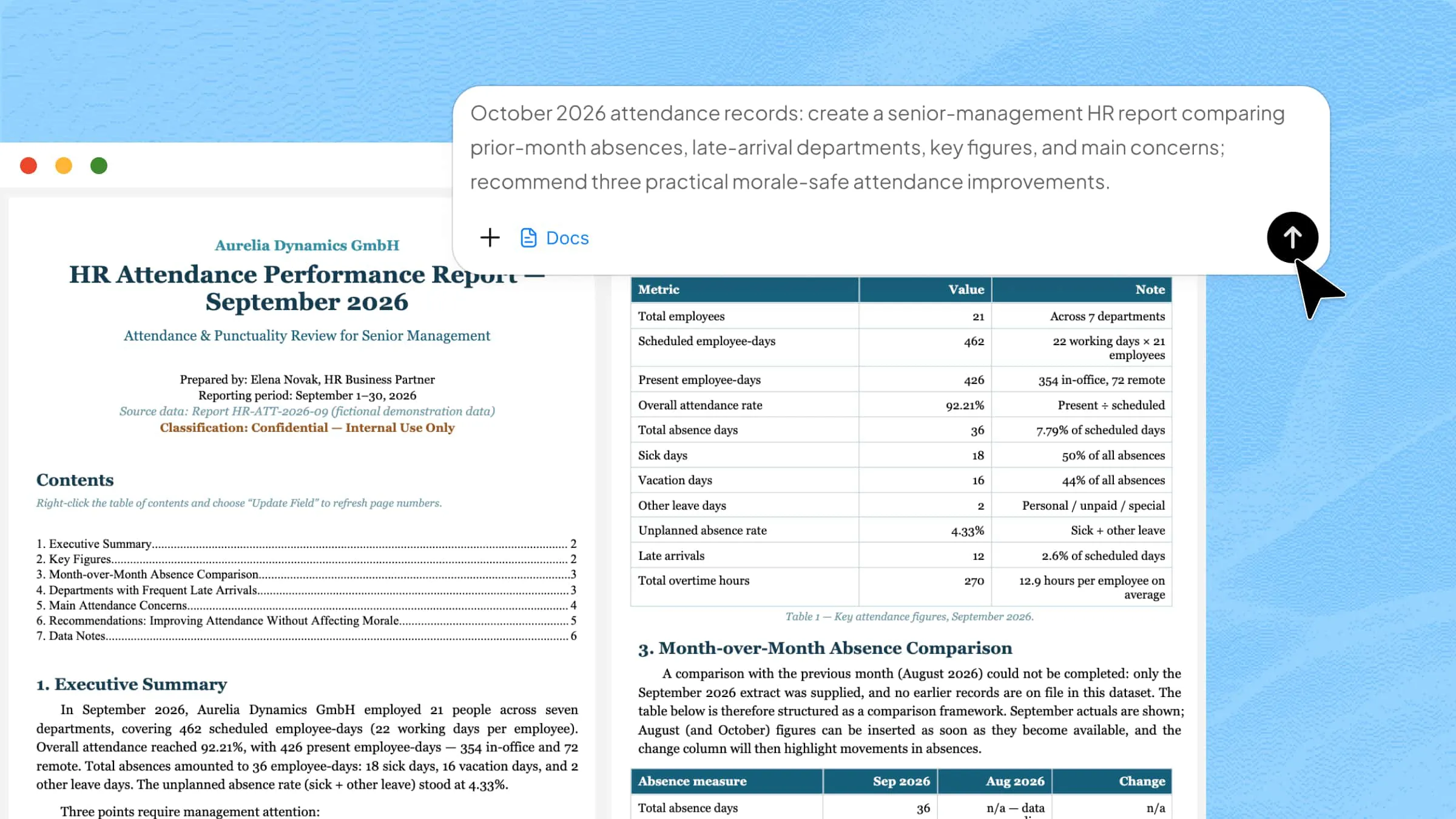
Step 2: Let Kimi process and generate results
After sending your prompt, wait while Kimi analyzes your instructions, develops the arguments, and organizes the speech into a clear structure.
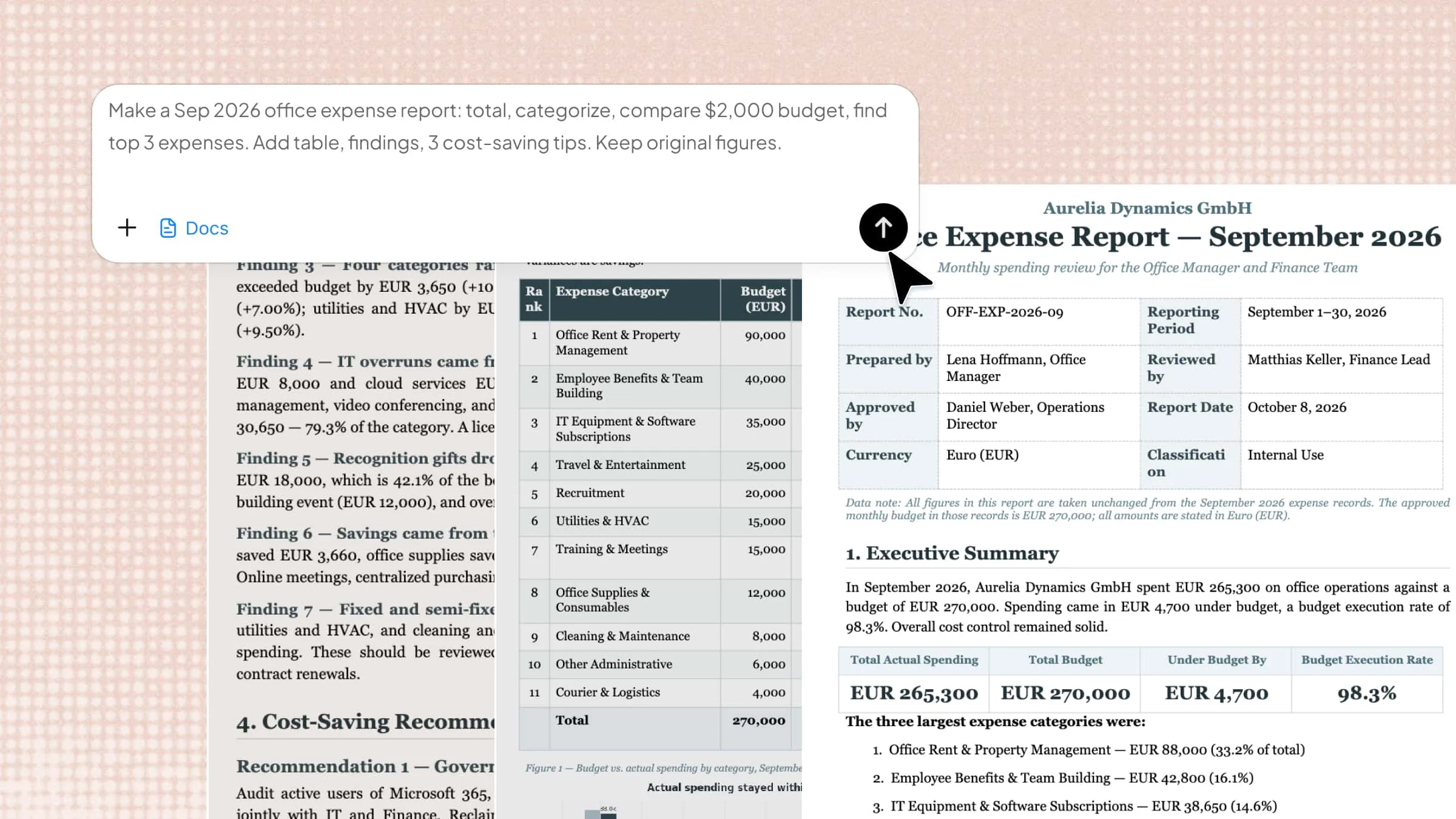
Step 3: Review and download the file
Read the generated speech, check the arguments and examples, make any needed edits, then download the final document in your preferred format.
What makes a good persuasive speech topic
Choosing an easy persuasive speech topic can make your speech more engaging and easier to develop. A well-chosen subject gives you enough depth to present your ideas clearly while keeping the discussion relevant and interesting for your audience.
Takes a clear position
A strong topic centers on a definite claim rather than a broad subject. This creates a clear argument that can be supported through evidence, examples, and logical reasoning.
Has room for reasonable disagreement
Persuasive topics often involve competing perspectives, values, or priorities. This creates space for contrasting arguments and makes the discussion more balanced and engaging.
Matters to your audience
Audience relevance gives a topic greater impact because it connects with real concerns, experiences, or interests. Familiar issues are also easier to relate to and discuss meaningfully.
Is specific enough to argue well
A focused subject allows deeper analysis without covering too many ideas at once. It provides enough scope for relevant evidence while keeping the speech organized and manageable.
Offers a practical solution or action
Topics with a possible response create a natural path from the problem to its resolution. They also make the speech more purposeful by connecting the argument with a realistic outcome.
Conclusion
Choosing good topics for persuasive speeches is only the beginning; the quality of your argument depends on how well you develop and present your ideas. Kimi Docs can help transform your research into a coherent speech, refine your wording, and organize supporting evidence into a polished document. With the right topic and a clear structure, you can deliver a speech that informs your audience and encourages them to consider your viewpoint.