Speech topics for students can range from everyday experiences and personal development to technology, education, society, and more unconventional ideas. Finding a suitable subject, however, can sometimes be more difficult than delivering the speech itself, especially when you want something engaging without making it unnecessarily complicated. This guide brings together 100 ideas across different themes to help students find a subject that feels relevant, interesting, and worth presenting.
Quick-reference category index: 100 speech topics for students
With all 100 ideas grouped by theme, this quick-reference index makes it easier to scan the list and jump straight to the category that fits your presentation. Each section provides a distinct direction, whether you want something practical, thought-provoking, academic, or unconventional.
| Category | Topic range | What you'll find |
|---|---|---|
| Self-improvement & Personal Growth | 1–10 | Confidence, discipline, resilience, curiosity, and purposeful habits |
| Education & Student Life | 11–20 | Homework, teaching methods, exams, practical learning, and campus experiences |
| Technology & Digital Life | 21–30 | AI, screen habits, privacy, algorithms, virtual reality, and digital communication |
| Society & Social Issues | 31–40 | Community involvement, sustainability, accessibility, public spaces, and media literacy |
| Relationships & Communication | 41-50 | Listening, empathy, honesty, boundaries, friendships, and respectful disagreement |
| Career & Future Planning | 51–60 | Career choices, internships, networking, entrepreneurship, portfolios, and workplace skills |
| Health & Everyday Habits | 61–70 | Sleep, movement, hydration, routines, recreation, study breaks, and daily wellness |
| Culture & Entertainment | 71–80 | Festivals, music, cinema, cuisine, literature, gaming, museums, and cultural preservation |
| Money & Consumer Choice | 81–90 | Budgeting, advertising, subscriptions, impulse buying, resale markets, and spending decisions |
| Creative & Unusual Ideas | 91–100 | Unexpected questions, imaginative scenarios, ordinary objects, and unconventional viewpoints |
100 impressive speech topics for students in English
Whether you are preparing a quick classroom curiosity or a longer academic speech, the topic you choose can shape how confidently you present your ideas. The list below covers unique speech topics for students with a focused key idea.
Self-improvement and personal growth
Personal growth gives students plenty of relatable subjects to explore, from confidence and discipline to resilience and curiosity. For a quick classroom activity, these can also work well as 1-minute speech topics for students when narrowed to one central argument.
The power of setting small goals
Why self-discipline matters more than motivation?
Learning from your own failures
How can curiosity change your life?
The value of stepping outside your comfort zone
Why does keeping a personal journal help?
How does gratitude influence everyday thinking?
Building confidence without seeking approval
The importance of becoming a lifelong learner
Why is patience an underrated strength?
Education and student life
School life naturally raises questions about learning, assessment, classroom culture, and student independence. The following subjects give speakers room to examine familiar academic experiences from more thoughtful angles.
Should students receive less homework?
Why do practical skills belong in classrooms?
The benefits of learning through group projects
Should college attendance be compulsory?
How do school clubs shape student development?
The role of teachers beyond textbooks
Why should students learn financial literacy?
Are exams the best way to measure learning?
How do classroom debates improve critical thinking?
Should students have more control over subjects?
Technology and digital life
Digital technology touches nearly every part of student life, creating opportunities to explore topics such as privacy, communication, artificial intelligence, and online behavior. These subjects work especially well as speech topics for students because each one offers a focused question that can be developed with clear examples and supporting information.
How is artificial intelligence changing student learning?
Should students limit their screen time?
The hidden cost of constant notifications
Are smart homes making life easier?
How do algorithms influence what we see online?
The future of cashless payments
Can virtual reality transform education?
Why digital privacy matters to students
Is social media becoming too intelligent?
How is technology changing the way we communicate?
Society and social issues
Beyond personal experience, students can tackle broader questions concerning communities, public spaces, inclusion, and responsible citizenship. These speech topics can support deeper discussion because they leave room for examples, opposing viewpoints, and evidence.
Should cities create more public spaces?
The importance of volunteering among young people
Why does reducing food waste matter?
Should public transport be free?
How do stereotypes influence everyday decisions?
The role of young people in environmental action
Should communities encourage local businesses?
Why do accessible public facilities matter?
How can kindness influence a community?
The growing importance of media literacy
Relationships and communication
Everyday interactions provide a rich foundation for speeches because students can connect communication principles with situations they already encounter. From listening to boundaries, these short speech topics for students can be developed without requiring an overly complex argument.
Why is active listening an essential skill?
The effect of body language on communication
Should friends always tell each other the truth?
How does tone of voice affect communication?
Why do healthy boundaries matter?
The art of disagreeing respectfully
Why does empathy improve conversations?
Can friendships survive long distances?
When should you apologize?
How do misunderstandings begin in text messages?
Career and future planning
Thinking about life after school opens discussions around employment, professional skills, entrepreneurship, and long-term decisions. Students looking for practical, simple speech topics for students can use these themes to connect classroom learning with their own future aspirations.
How to choose a career that suits you?
Why do internships matter before graduation?
Should students prioritize passion or salary?
The skills employers may value most in the future
How can networking open career opportunities?
Why should students build a portfolio?
Remote work and the future of employment
Should students consider entrepreneurship?
Why should career plans remain flexible?
The importance of learning workplace etiquette
Health and everyday habits
Health-related subjects become more engaging when they move beyond generic advice and examine how ordinary routines affect students' daily experiences. The ideas below cover sleep, movement, stress, recreation, and other manageable aspects of everyday well-being.
Why posture matters during study sessions
The importance of taking breaks while studying
The benefits of taking regular walking breaks
How hydration affects daily performance?
Why is breakfast not the same for everyone?
The connection between hobbies and well-being
Why students should spend time outdoors
How can routines reduce daily stress?
How everyday choices shape long-term wellness?
Why do students need better sleep habits?
Culture and entertainment
Music, cinema, literature, festivals, gaming, and visual arts all offer accessible ways to discuss how people express identity and preserve traditions. This category provides particularly flexible material for students who want to combine personal interest with cultural analysis.
Why do traditional festivals still matter?
How does music reflect social change?
The influence of cinema on fashion
Why do local cuisines deserve global recognition?
How do books shape our understanding of other cultures?
The rise of short-form entertainment
Why do museums remain relevant in the digital age?
The cultural impact of video games
Why preserving endangered languages matters?
How street art transforms public spaces?
Money and consumer choice
Financial decisions are another useful avenue for student speeches, particularly when everyday purchases are examined through a critical lens. These subjects encourage speakers to consider advertising, spending habits, payment systems, and the difference between convenience and genuine value.
Why should students learn to budget?
Is buying branded clothing worth the price?
How does advertising influence what we buy?
The psychology behind impulse purchases
Should students use buy-now-pay-later services?
Why is comparing prices not enough?
The rise of secondhand shopping
How do subscriptions affect personal spending?
Why should needs and wants be separated?
Is convenience making us spend more?
Creative and unusual
Finally, stepping away from conventional subjects can make a classroom speech more memorable and invite imaginative arguments. These unusual prompts encourage students to question ordinary habits, everyday objects, and assumptions that usually go unnoticed.
Why should your phone have bedtime?
Could a boring day actually be useful?
Why should everyone try something they are bad at?
What would happen if humans stopped using clocks?
Why is talking to yourself not always strange?
Could plants change the way classrooms feel?
Why does your handwriting tell a story?
What if every student taught one class?
The case for having a completely offline day
Why does a toaster not need Wi-Fi?
Turn student speech topics into full speeches with Kimi Docs
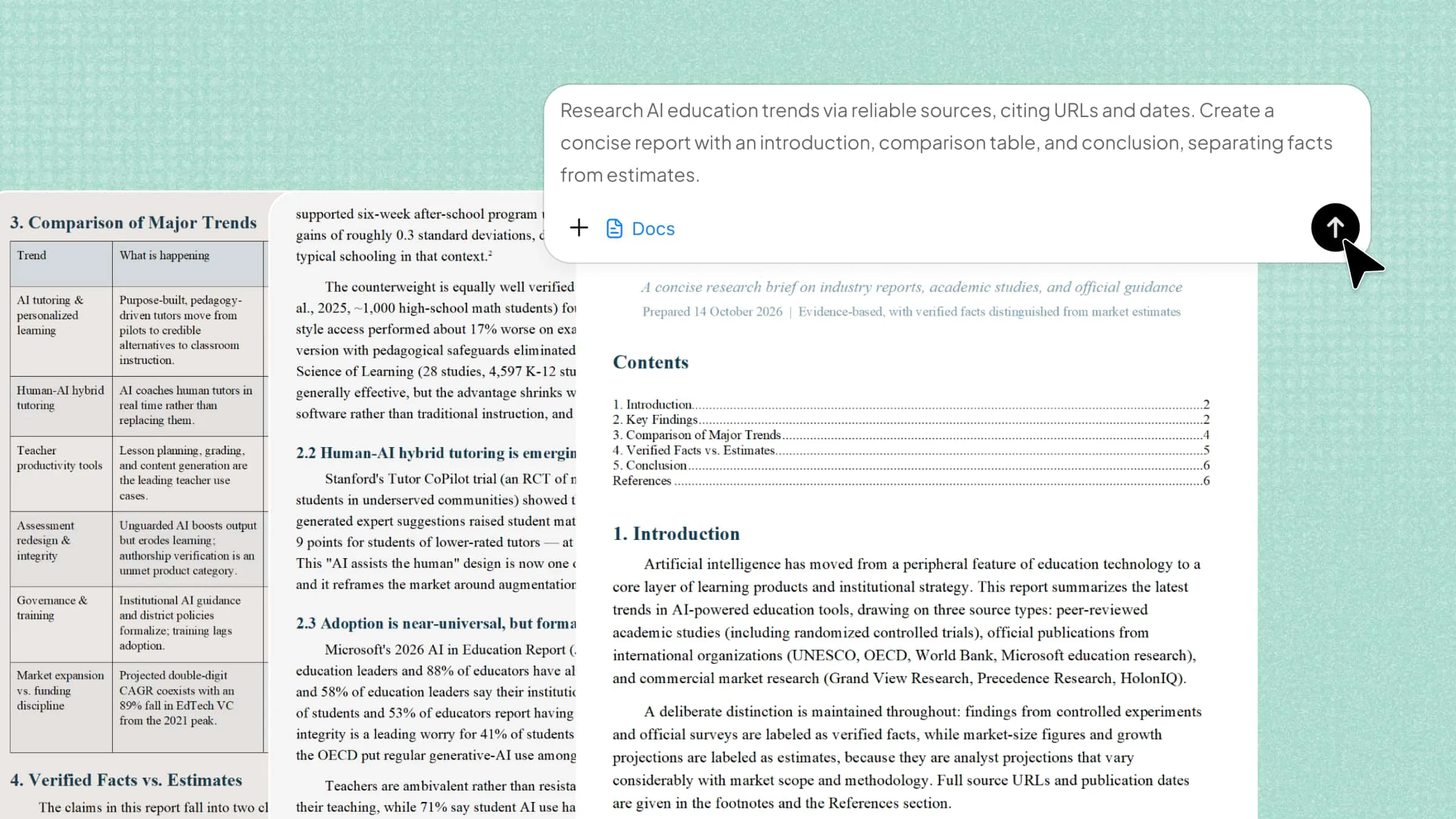
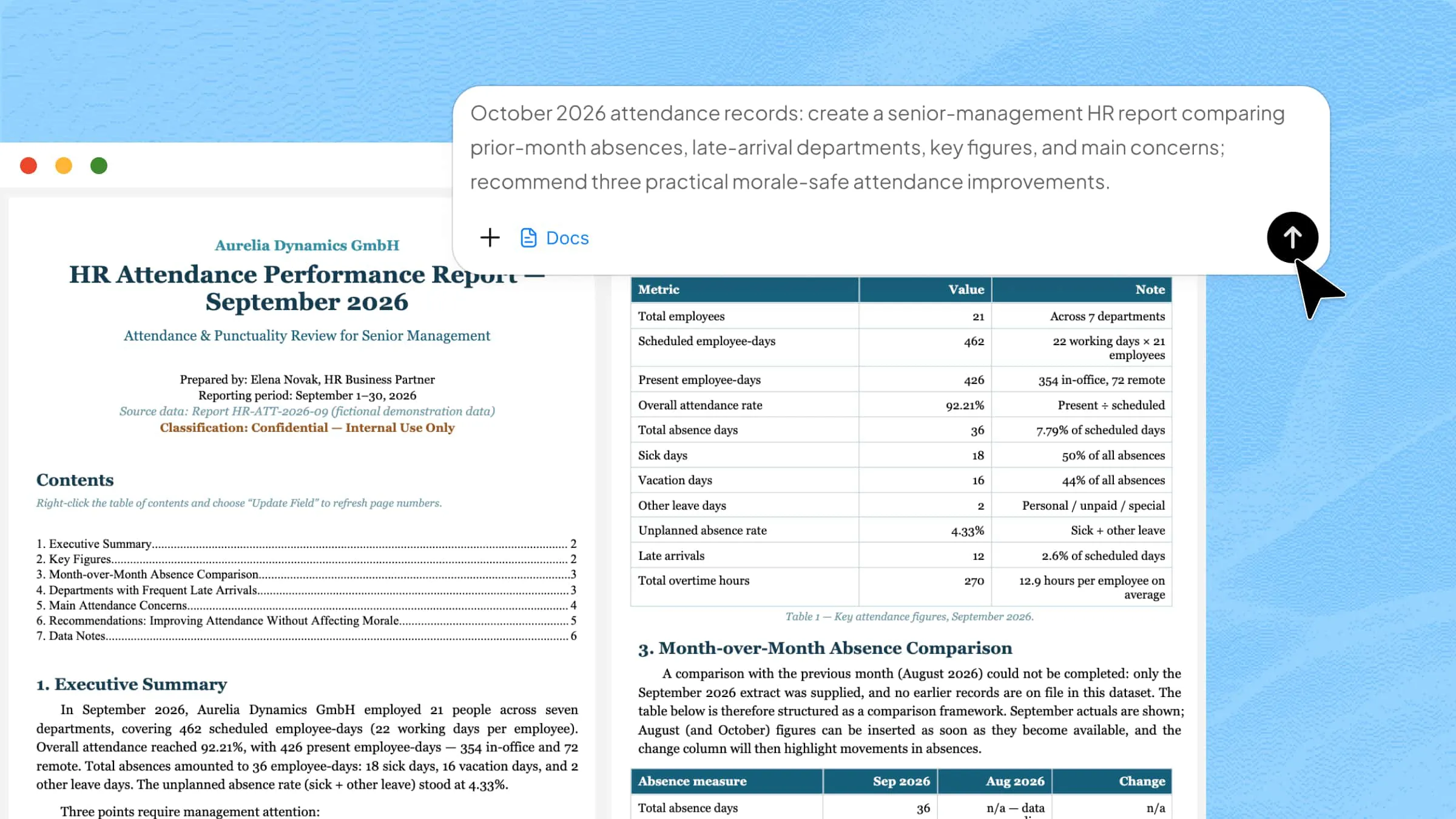
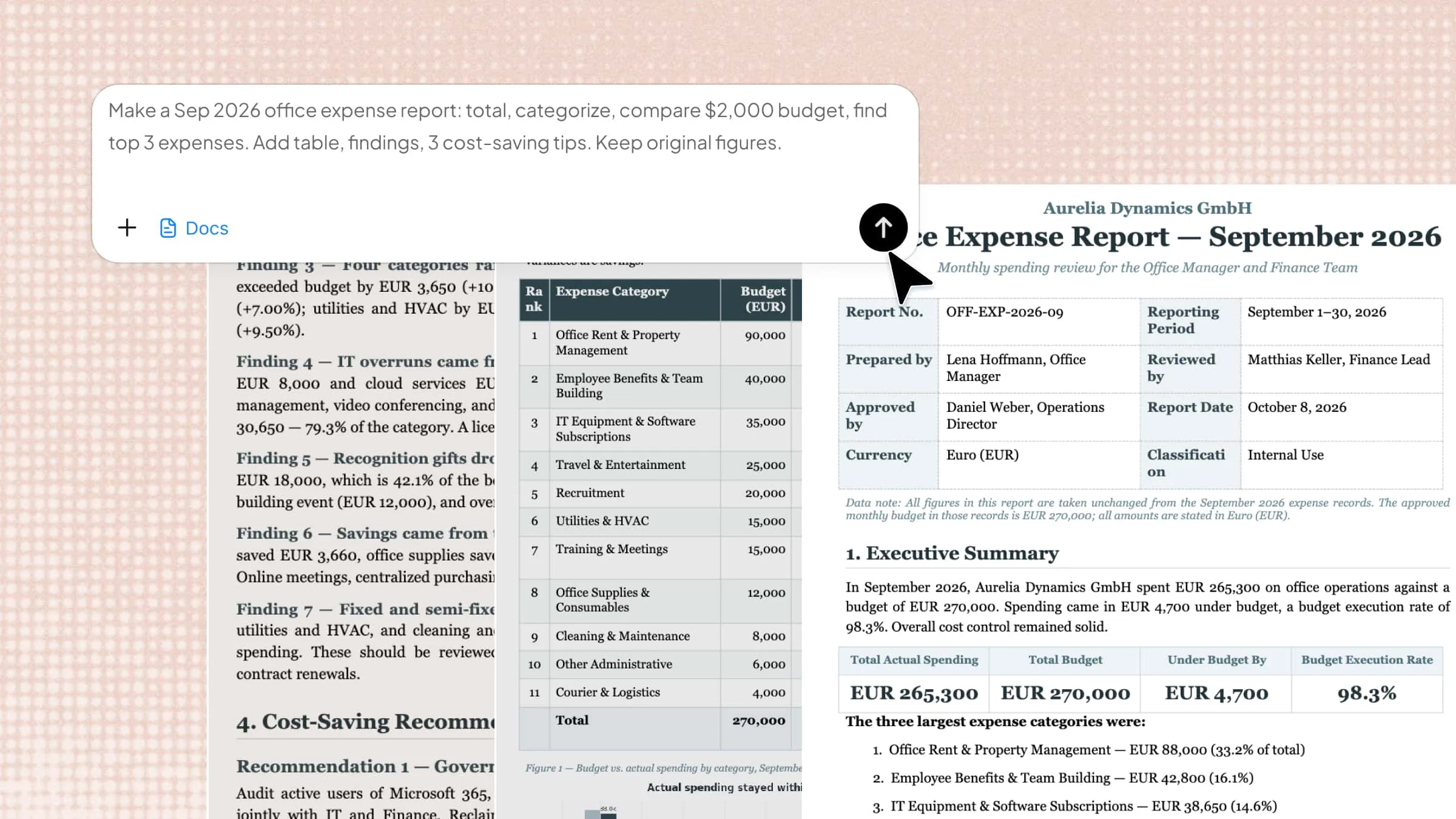
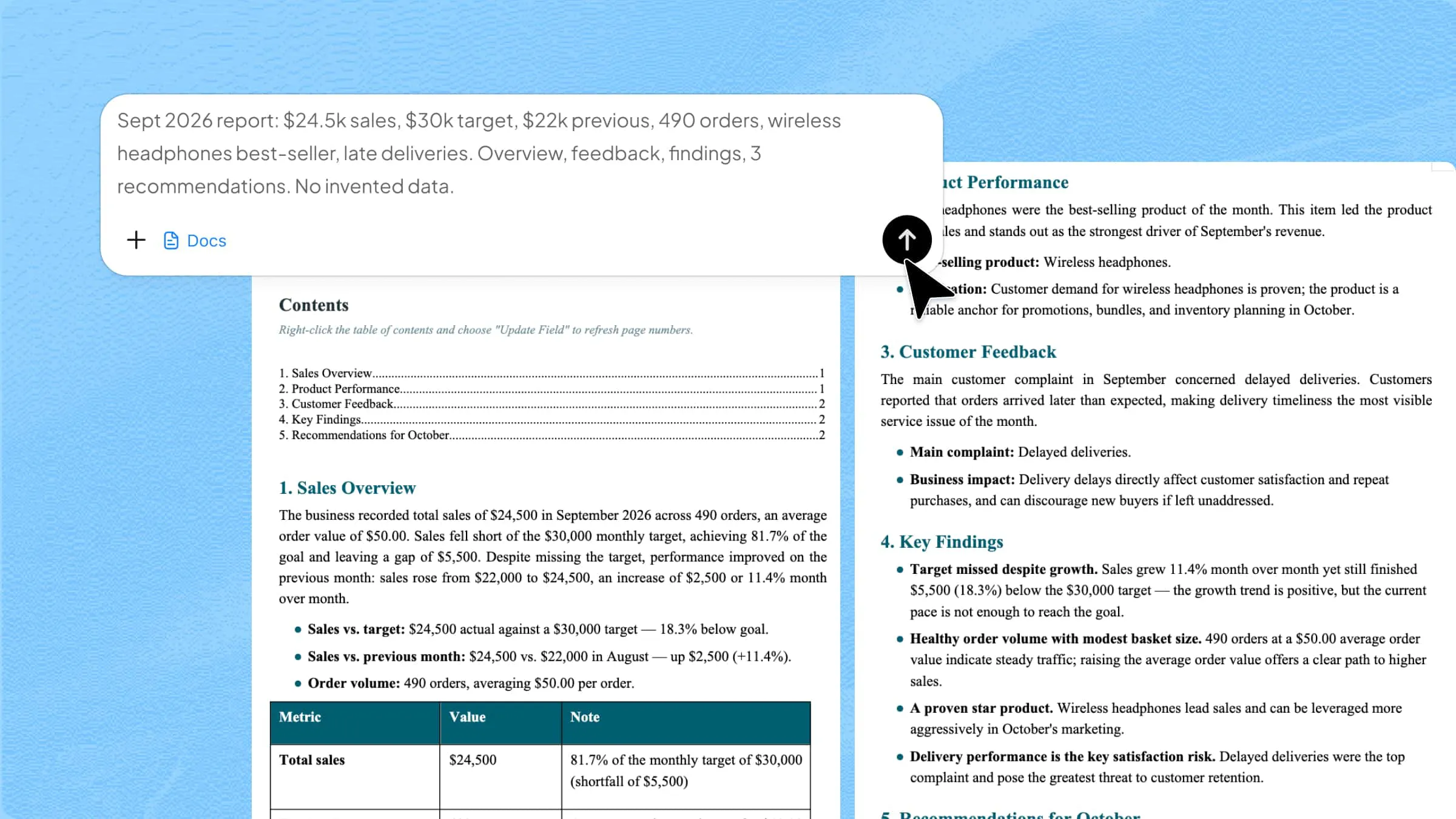
A promising speech topic is only the starting point; developing it into a coherent, engaging speech requires research, organization, and thoughtful phrasing. Kimi Docs is an AI document agent that can help students transform a selected idea into a more developed draft with a logical flow and audience-appropriate language. It provides a practical way to expand brief concepts into substantial written material while reducing the effort involved in structuring the content.
Main features
Turn speech topics into complete speeches
Transform a preliminary subject into a substantive draft with a compelling opening, well-connected arguments, supporting discussion, and a deliberate conclusion that gives the speech a coherent rhetorical arc.
Build a speech from your research materials
Consolidate notes, PDFs, articles, and other references into one organized document, making it easier to turn dispersed research into a unified and intelligible narrative.
Develop stronger ideas and supporting points
Enrich a central argument with pertinent examples, comparisons, factual context, and explanatory details, giving students more depth to explore and articulate during delivery.
Refine and adapt your speech with AI
Use natural-language commands to modify vocabulary, complexity, length, organization, or audience suitability, allowing the draft to accommodate varying academic expectations without starting a new one.
Create student-ready speech documents
Format the completed work as Word or PDF files with appropriate headings, lists, citations, and other structural elements, creating a convenient version for revision, rehearsal, or submission.
How to create speeches for students with Kimi Docs
Follow these steps to create 2-minute speech topics for students with answers by using Kimi Docs:
Step 1: Enter a clear prompt
Mention the subject, audience, desired length, tone, and key points you want included.
Step 2: Let Kimi process and generate results
Kimi Docs develops the instructions into a complete speech, arranging the ideas into a natural sequence with appropriate supporting details and transitions.
Step 3: Review and download the file
Examine the draft for factual accuracy, clarity, and suitability for your audience, then refine any sections that need adjustment before exporting the finished document.
Speech do's and don'ts every student should know
A well-delivered speech depends not only on what you say but also on how effectively you present and reinforce your message. These practical guidelines given below can help students make their delivery more focused, engaging, and easier for an audience to follow.
Do's
Open with a strong hook
Begin with a thought-provoking question, surprising fact, brief anecdote, or compelling statement that immediately captures attention. A purposeful opening gives your speech momentum from the outset.
Focus on one clear message
Decide what you want listeners to remember after you finish, then build your material around that central point. A defined message prevents your argument from becoming scattered across unrelated ideas.
Use examples to support your ideas
Concrete examples can turn abstract arguments into situations an audience can readily understand. Choose illustrations that directly reinforce your point rather than adding detail simply for the sake of length.
Practice with a timer
Rehearsing against a fixed time limit helps you judge your pacing and identify sections that need tightening. It also reduces the likelihood of rushing through important material or exceeding the allotted duration.
Don'ts
Don't overload your speech with information
Cramming too many facts, arguments, or statistics into a short presentation can dilute the main message. Prioritize the material that contributes most meaningfully to your argument and leave peripheral details aside.
Don't rely too heavily on notes
Reading continuously from a script can make your delivery feel detached and limit interaction with the audience. Use brief prompts as memory aids while keeping your attention directed toward your listeners.
Don't speak too quickly
Excessive speed can obscure important points and make even well-prepared material difficult to absorb. Deliberate pacing, natural pauses, and clear articulation give listeners enough time to process your ideas.
Don't end without a clear takeaway
Avoid letting your final sentence simply signal that the speech is over. Conclude by reinforcing the central insight, leaving the audience with a memorable thought, recommendation, or question to consider.
Conclusion
In conclusion, finding the right speech topics for students is only the beginning of preparing a memorable classroom speech. The real impact comes from presenting an idea with authenticity, purpose, and a voice that feels genuinely yours. The ideas above offer plenty of directions to explore, while Kimi Docs can help turn a chosen topic into a structured draft for further refinement.