Choosing the right way to speak can be tricky because the same words may sound formal, friendly, or too casual in different situations. Your tone should match your audience, purpose, and setting, but knowing which approach works best is not always easy. Understanding different types of speech styles can help you communicate clearly and choose your words with confidence. In this article, you'll learn the main speech styles with simple meanings and examples to help you use them effectively.
Why choosing the right speech style matters
Understanding speech styles is not just about choosing different words; it is about adapting your delivery to the purpose, audience, and situation. Different styles can change how your message is presented and how your audience responds to it. Here are some key reasons why choosing the right speech style matters.
Makes ideas easier to understand
Different speech styles can change how information is presented. An informative style may work better for explaining facts, while a narrative style can make a sequence of events easier to follow. Choosing an appropriate style helps you present ideas in a way that suits the content.
Fits different speaking situations
The same words may not work equally well in every setting. A graduation ceremony, classroom presentation, job interview, and casual talk each have different expectations. Understanding speech styles helps you adjust your level of formality, tone, and language to the situation.
Helps achieve different speech purposes
Speeches can aim to inform, persuade, entertain, inspire, or tell a story. Each purpose calls for a different way of developing and presenting ideas. Recognizing these differences helps you choose a style that supports what you want the speech to accomplish.
Shapes how you express your ideas
Speech styles influence vocabulary, sentence structure, examples, storytelling, and the way key points are developed. Learning different styles gives you more ways to explain an idea, present an argument, describe an experience, or share information.
Makes speech preparation more focused
Knowing the style you want to use gives you a clearer direction when planning and writing. It can guide decisions about the structure, examples, tone, and level of detail, making it easier to build a speech that stays consistent from the opening to the conclusion.
5 different types of speech style
Speech style changes depending on who you are speaking to, why you are speaking, and the situation around you. Knowing the main styles makes it easier to choose the right tone and communicate naturally. Here are the 5 most common types of speech style examples that range from personal to highly formal and fixed.
Intimate style
Intimate style is used with people you know very well, such as close family members or trusted friends. It often includes personal words, short expressions, and a relaxed tone. This style focuses more on closeness and shared understanding than on formal language.
Casual style
Casual style is common in everyday conversations with friends, classmates, or people you feel comfortable with. It uses simple, relaxed language and may include slang or informal expressions. The goal is to communicate naturally without following strict language rules.
Consultative style
A consultative style is used when speaking with people in a professional or semi-formal setting, such as teachers, coworkers, or customers. It allows some interaction while keeping the conversation respectful and clear. This style is useful when sharing information, asking questions, or seeking advice.
Formal style
Formal style is used in serious or professional situations, such as presentations, business meetings, academic speeches, and official events. It uses careful wording, proper grammar, and a respectful tone. The language is usually planned and avoids slang or overly casual expressions.
Frozen style
Frozen style is the most fixed and formal type of speech style. It is commonly found in ceremonies, official statements, laws, prayers, or traditional speeches, where the wording often stays unchanged. Because the language is usually established beforehand, there is little room for casual or personal changes.
Applications and examples of speech styles
Speech styles are not limited to textbooks. They appear in everyday conversations, professional settings, and important public events. Each one has a different purpose and level of formality, which affects the words, tone, and way a message is delivered. The examples below show where each style fits naturally.
Intimate speech style
Private conversations: This style is often used when people share personal thoughts, feelings, or sensitive matters in a private setting. The language can be brief and highly personal because both speakers already understand each other.
Close relationships: Intimate speech is common between partners, close family members, and best friends who have a strong personal connection. Speakers can use familiar names, expressions, or even incomplete sentences without needing much explanation.
Shared experiences: People who have experienced the same events can communicate through references that may not make sense to others. Inside jokes, personal memories, and familiar expressions make this style feel natural and personal.
Casual speech style
Social gatherings: Casual speech is commonly used at parties, hangouts, dinners, or friendly meetups where people are simply enjoying conversation. The relaxed tone helps everyone feel comfortable and keeps the interaction easygoing.
Informal language: This style allows everyday words, contractions, slang, and shortened expressions that may sound inappropriate in formal settings. Speakers usually focus on sounding natural rather than carefully choosing every word.
Shared interests: Friends and groups often use casual speech when discussing hobbies, sports, movies, games, or other interests they enjoy together. Familiar topics make it easier to use simple expressions and speak freely.
Consultative speech style
Classroom discussions: Teachers and students often use consultative speech when discussing lessons, asking questions, or sharing ideas. It allows an open exchange while keeping the language respectful and focused on the topic.
Teacher-student interactions: This style gives students the freedom to ask for help while allowing teachers to provide guidance and explanations. The conversation is friendly but still maintains an appropriate level of respect.
Doctor-patient conversations: Doctors use consultative speech to explain medical information, while patients describe their concerns and ask questions. The style creates a balance between professional knowledge and comfortable two-way communication.
Formal speech style
Conference presentations: Formal speech is widely used when presenting research, business ideas, or professional information at conferences. Speakers usually prepare their language carefully to sound clear, knowledgeable, and professional.
Large audiences: When addressing a large audience, a formal style helps the speaker maintain attention and show respect for the people listening. A confident tone and carefully chosen words also make the message easier to take seriously.
Structured content: Formal speeches usually follow a clear structure, with an introduction, main points, and conclusion. This organized approach helps the audience understand complex ideas without losing track of the speaker's main message.
Frozen speech style
National anthems: National anthems are a common example because their words and structure are officially established and usually performed in the same form. The fixed language reflects national identity, history, and shared values.
Public ceremonies: Frozen speech is often heard during important ceremonies where traditional or official words carry special meaning. Its established wording gives the occasion a sense of dignity, respect, and importance.
Fixed wording: Unlike casual conversation, frozen speech usually does not change based on the speaker or situation. The words are preserved and repeated as established, making this style common in laws, oaths, pledges, and traditional statements.
How to use Kimi Docs to draft any style of speech
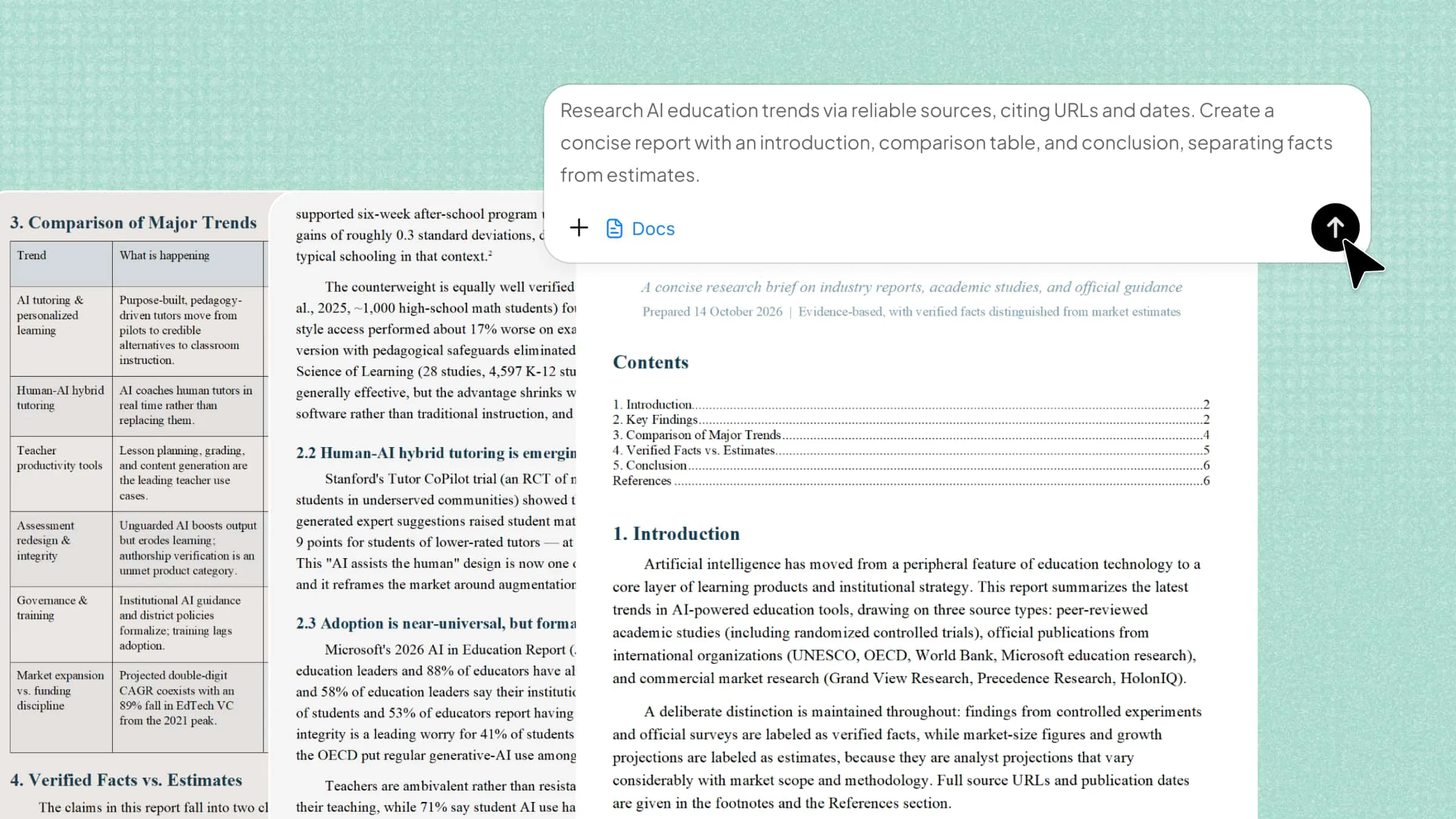
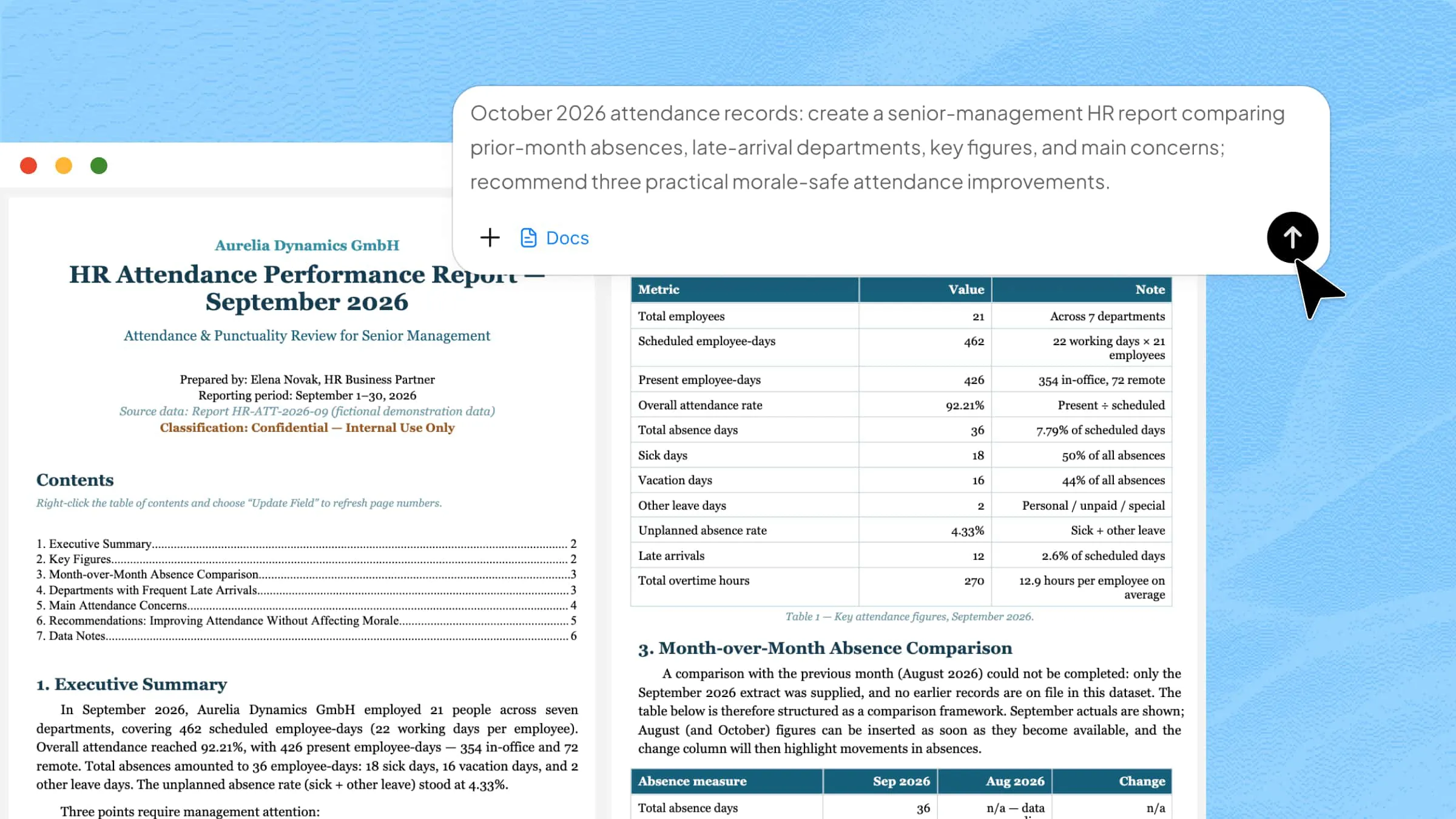
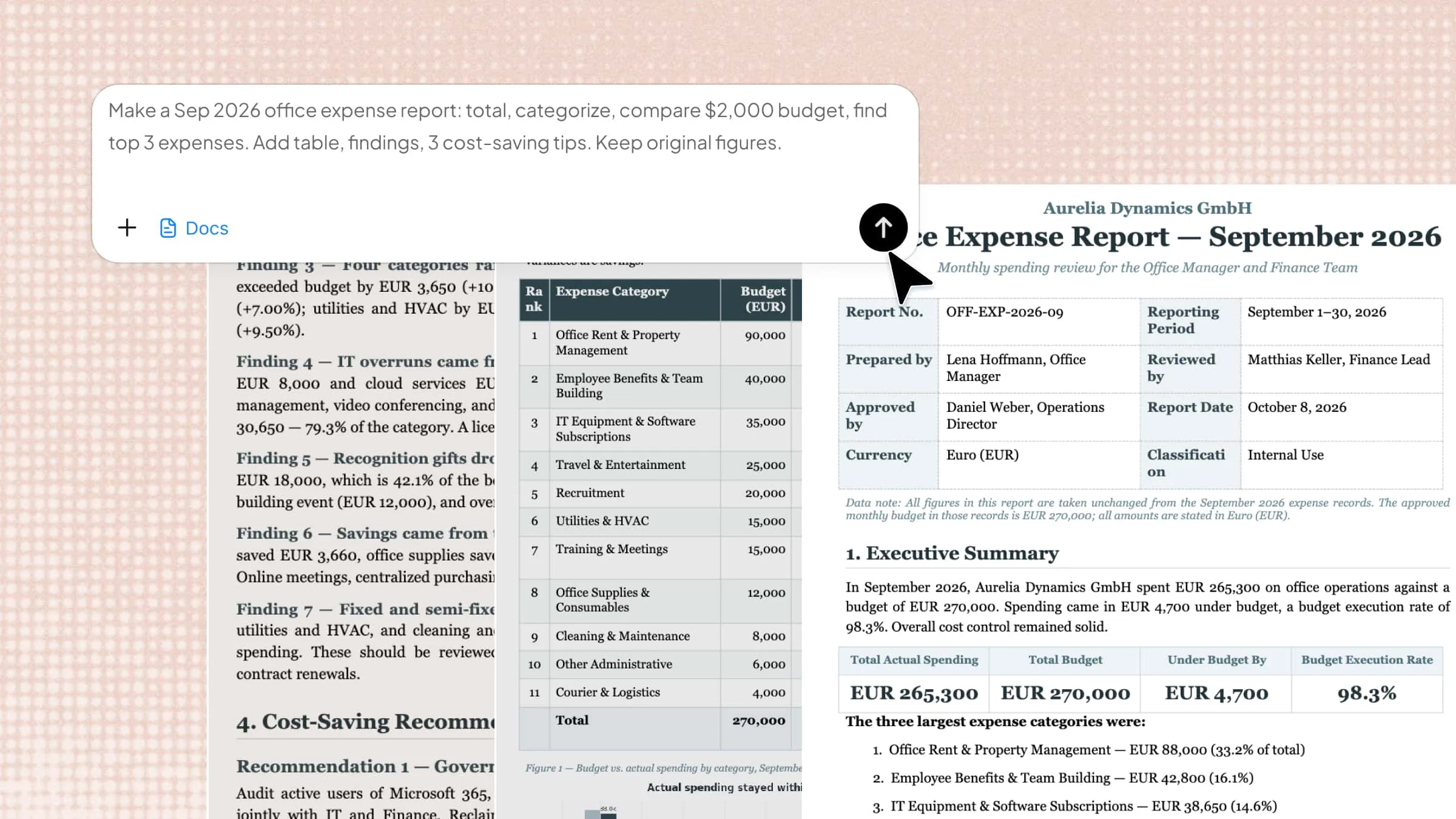
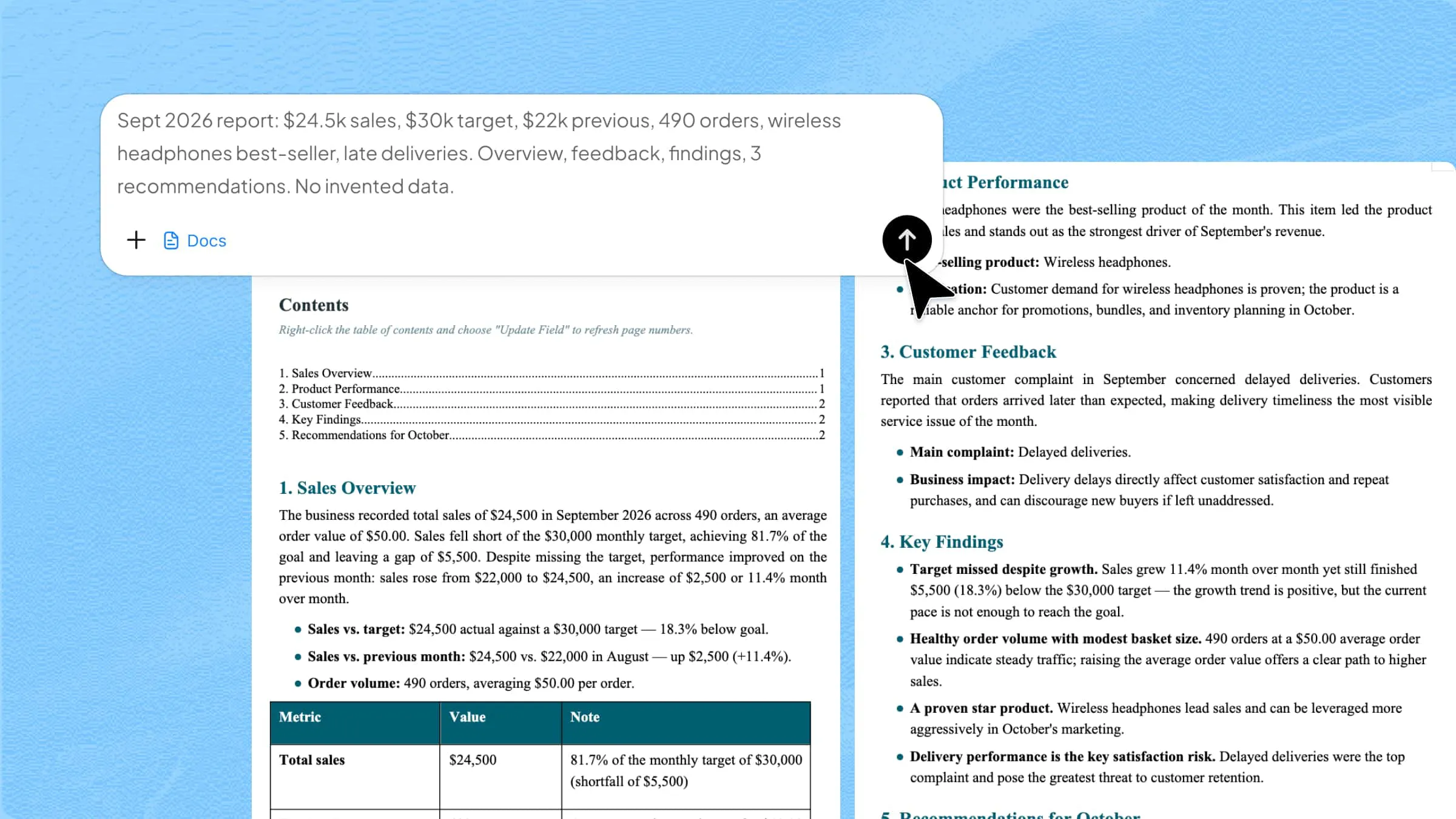
Writing a speech in the right tone can take time, especially when you need to adjust the language for different audiences and occasions. Kimi Docs is an AI document agent that can generate and refine content from natural-language instructions, making it useful for creating speeches with specific tones, formats, and lengths. With a clear prompt, you can tell Kimi Docs the speech style, audience, purpose, and key points you want to include. Now, let's look at the steps to draft any style of speech with Kimi Docs.
Step 1: Share ideas with Kimi Docs for a draft
Start by giving Kimi Docs clear details about the speech instead of asking for a generic draft. Mention the speech style, audience, purpose, tone, length, key points, and any examples you want included. For example, you can use this prompt:
Example prompt:
Step 2: Let Kimi Docs create a draft
Once you provide the instructions, Kimi Docs can turn your ideas into a structured speech draft. It can organize the introduction, main points, supporting details, and conclusion according to the requirements in your prompt.
Step 3: Refine and download the draft
After reviewing the first version, refine anything that feels too long, unclear, formal, or repetitive. You can ask Kimi Docs to adjust the tone, simplify certain sections, and strengthen the opening. Once the speech meets your requirements, you can finalize the draft and download it for further use or presentation.
Main features of Kimi Docs
Kimi Docs can do more than generate a basic speech from a topic. Its AI-powered document features help you shape ideas, organize content, and adjust the language to match your audience, purpose, and preferred speech style. Here are some key features that make it useful for creating and improving speeches.
Generate complete speeches from prompts
Turn a topic, assignment, question, or brief instruction into a complete speech draft. Kimi Docs can develop the content with an introduction, thesis or central message, main points, supporting examples, transitions, and conclusion, giving you a full draft to review and refine.
Adapt content for different speech styles
Rework the same core ideas for different speaking purposes, including informative, persuasive, formal, conversational, and narrative speeches. The content can be adjusted to emphasize explanation, argument, storytelling, or other communication goals without rebuilding the speech from the beginning.
Research and incorporate supporting information
Work with source materials to find relevant facts, data, examples, and supporting evidence for a speech. Kimi Docs can help expand a topic with researched information and incorporate useful findings into the draft, making the content more detailed and better supported.
Preview and revise speeches with prompts
Review your speech directly in the document and make changes based on what you see. Instead of manually rewriting sections, simply describe what needs to change, such as shortening a paragraph, adding a stronger example, simplifying the language, or improving a transition. Kimi Docs applies the requested changes directly to the content, making revisions quick and straightforward.
Conclusion
The way you speak can shape how your message is understood, remembered, and received by others. Choosing the right styles of speech helps you communicate with greater clarity while staying true to the situation and your audience. With the right approach, even complex ideas can feel simple, natural, and engaging. If you want an easier way to plan and polish your next speech, try Kimi Docs. Give Kimi a try and turn your ideas into a speech you can confidently deliver.